HAIDA ART
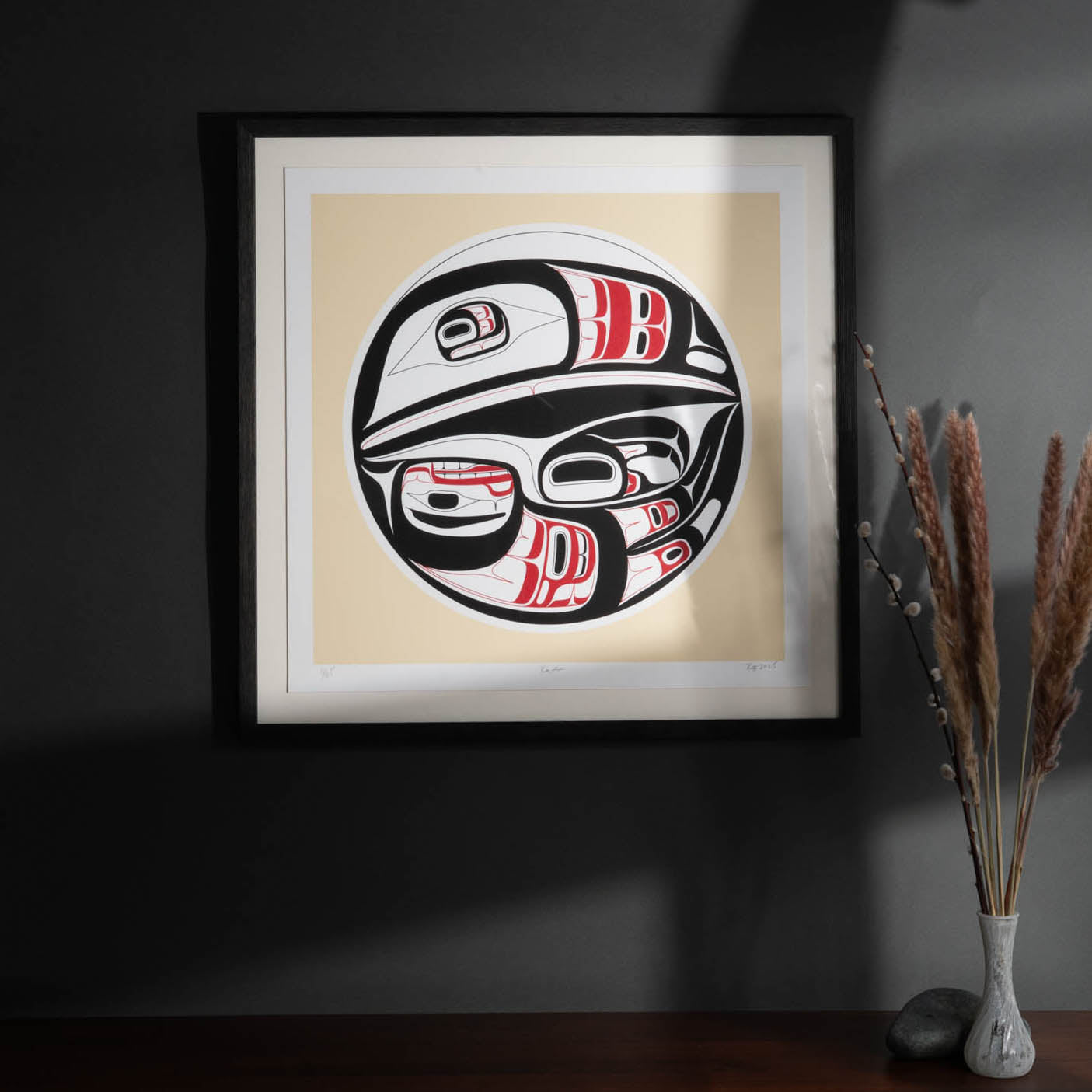
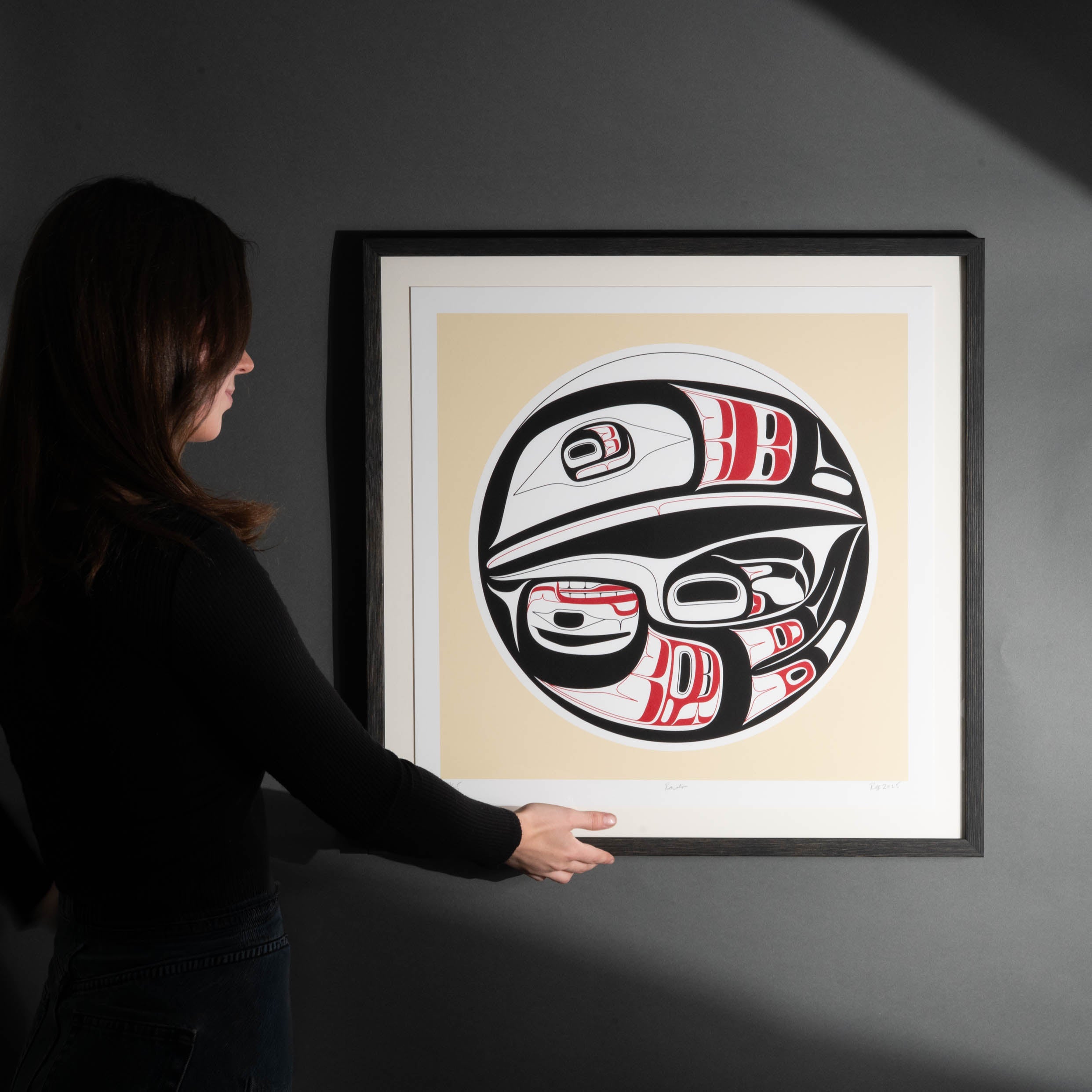
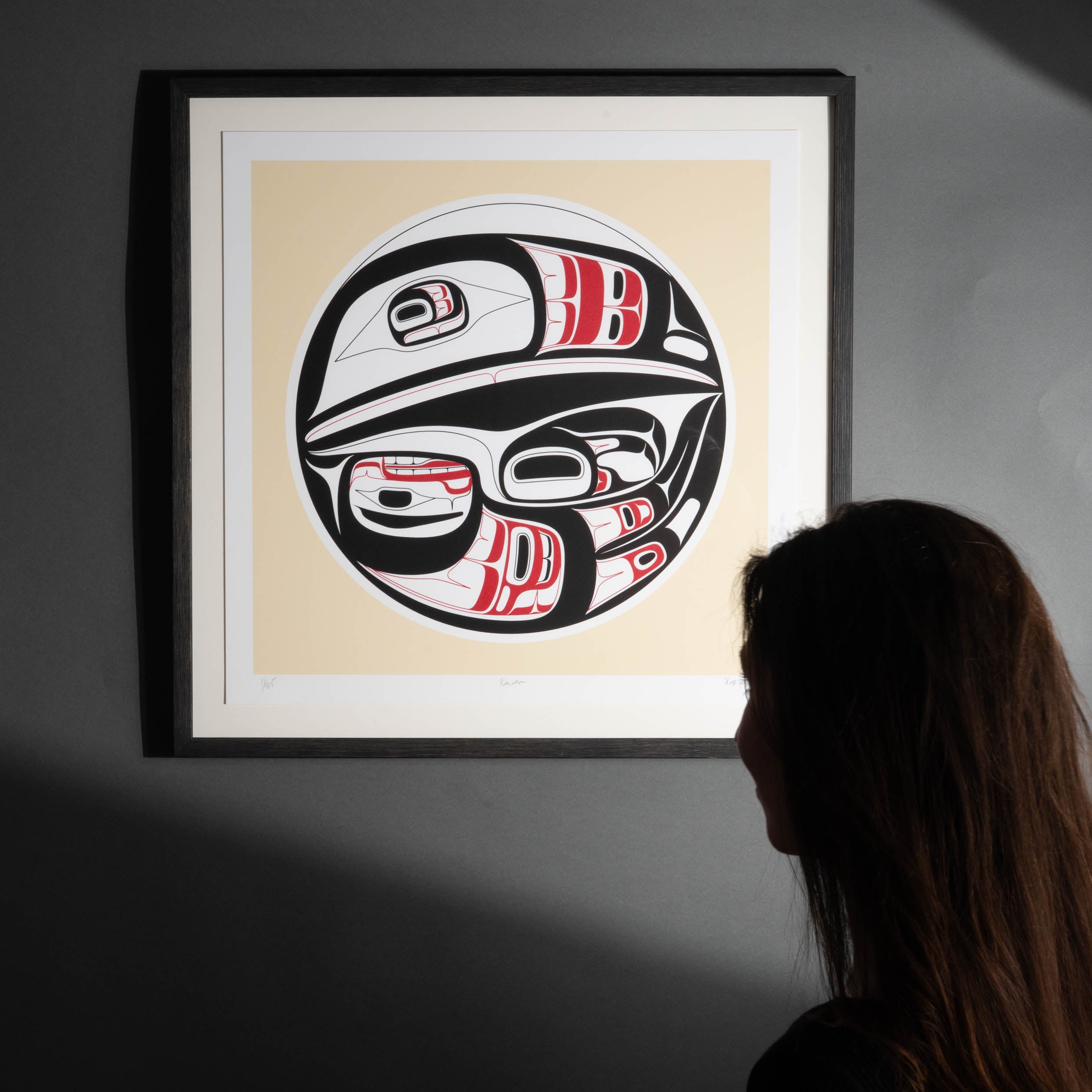
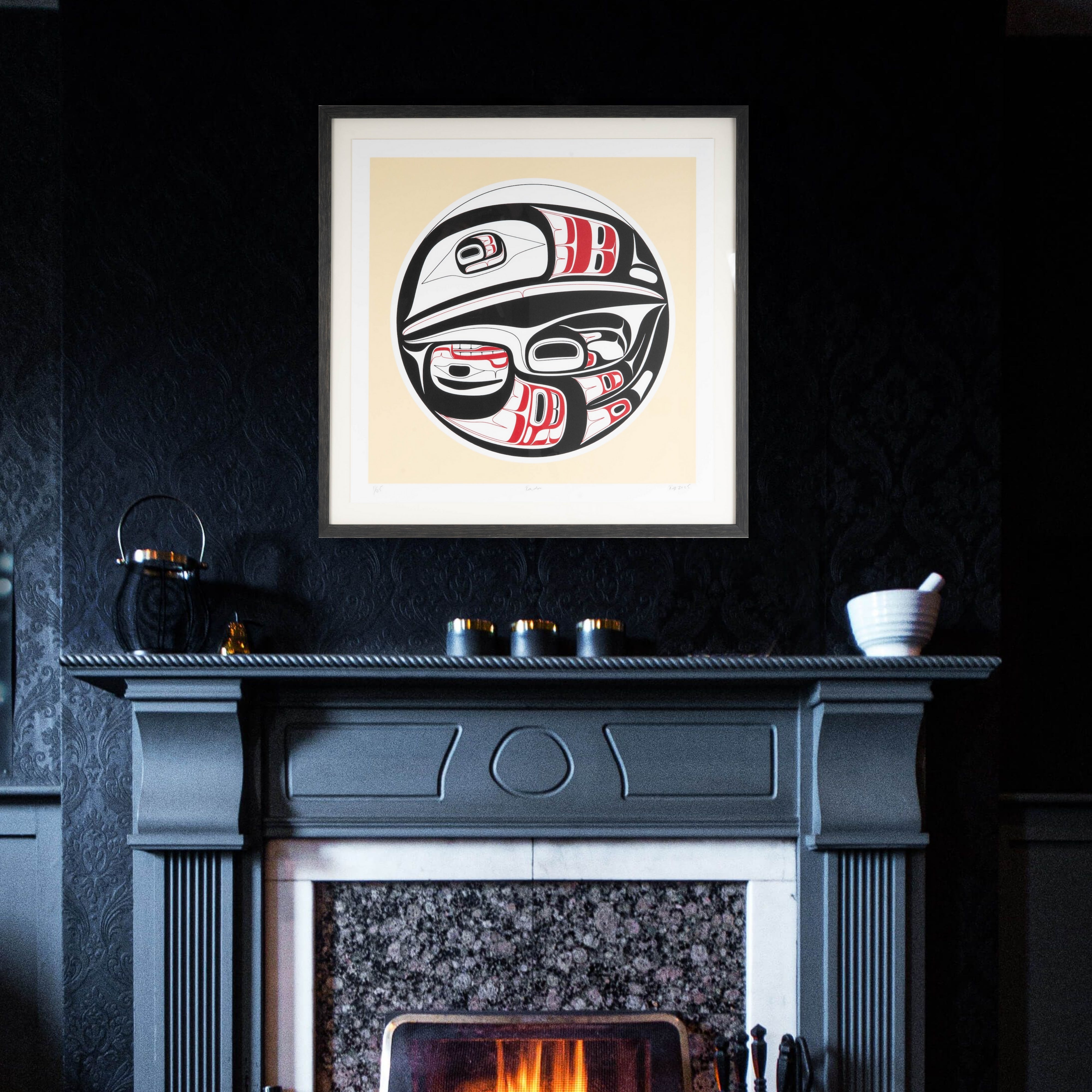
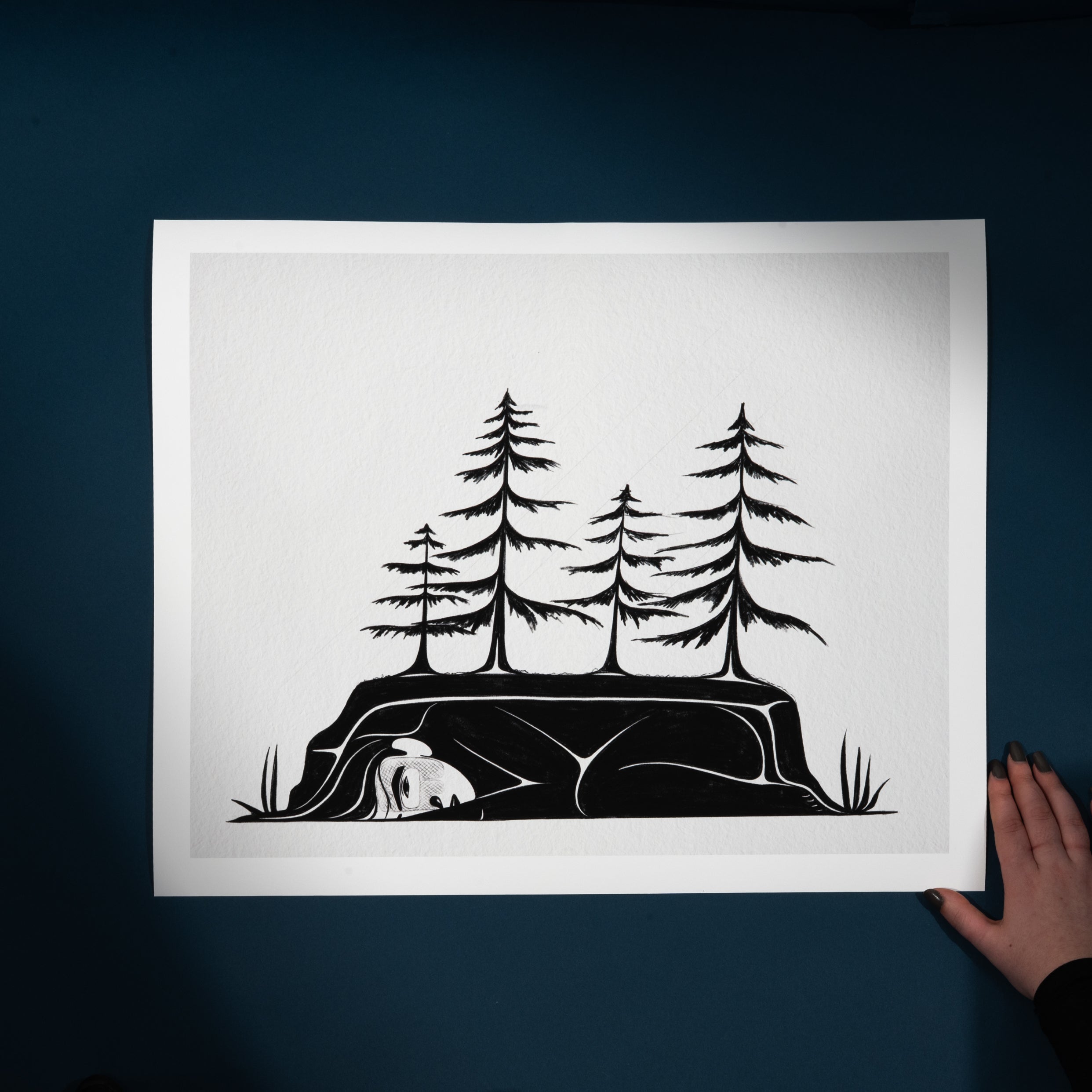
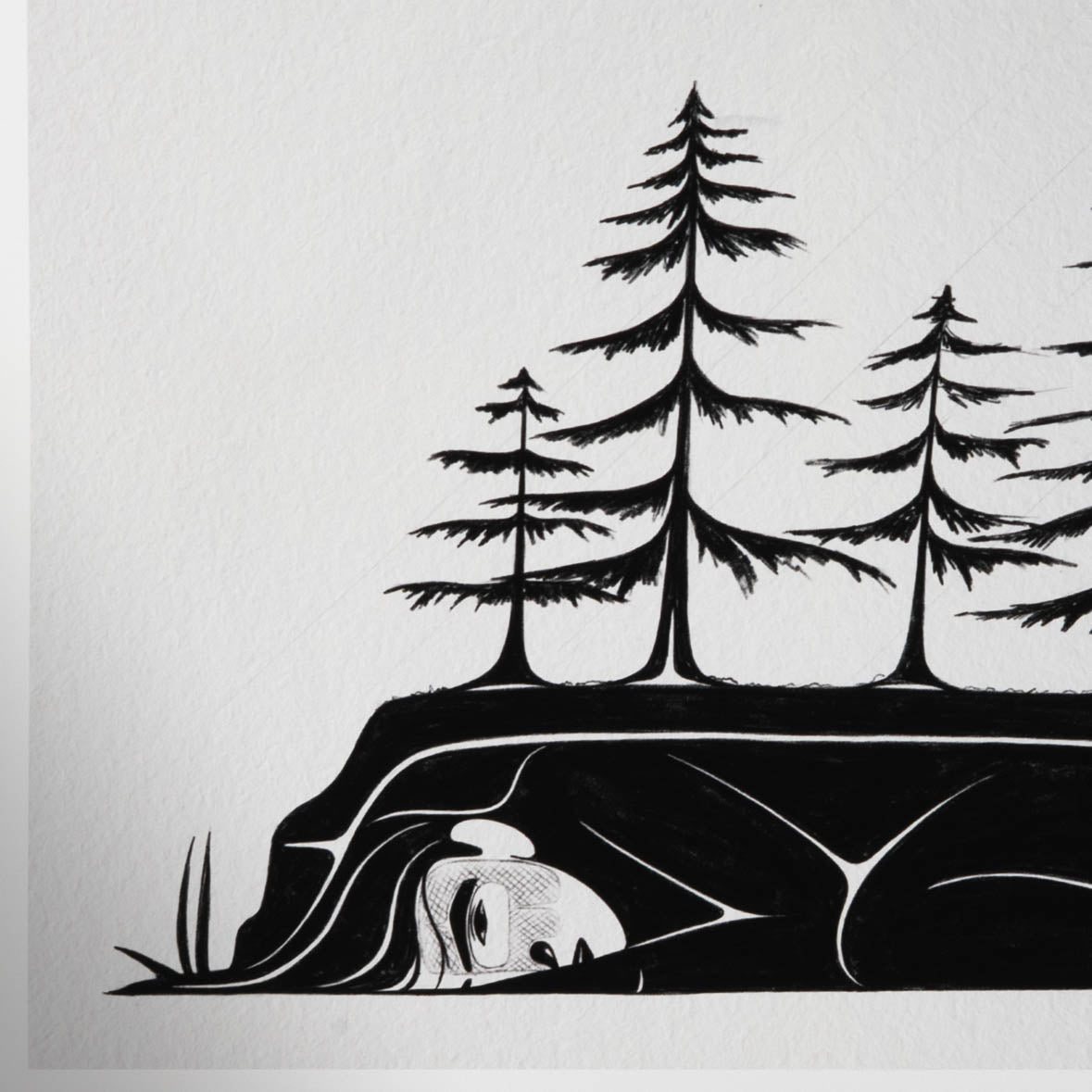
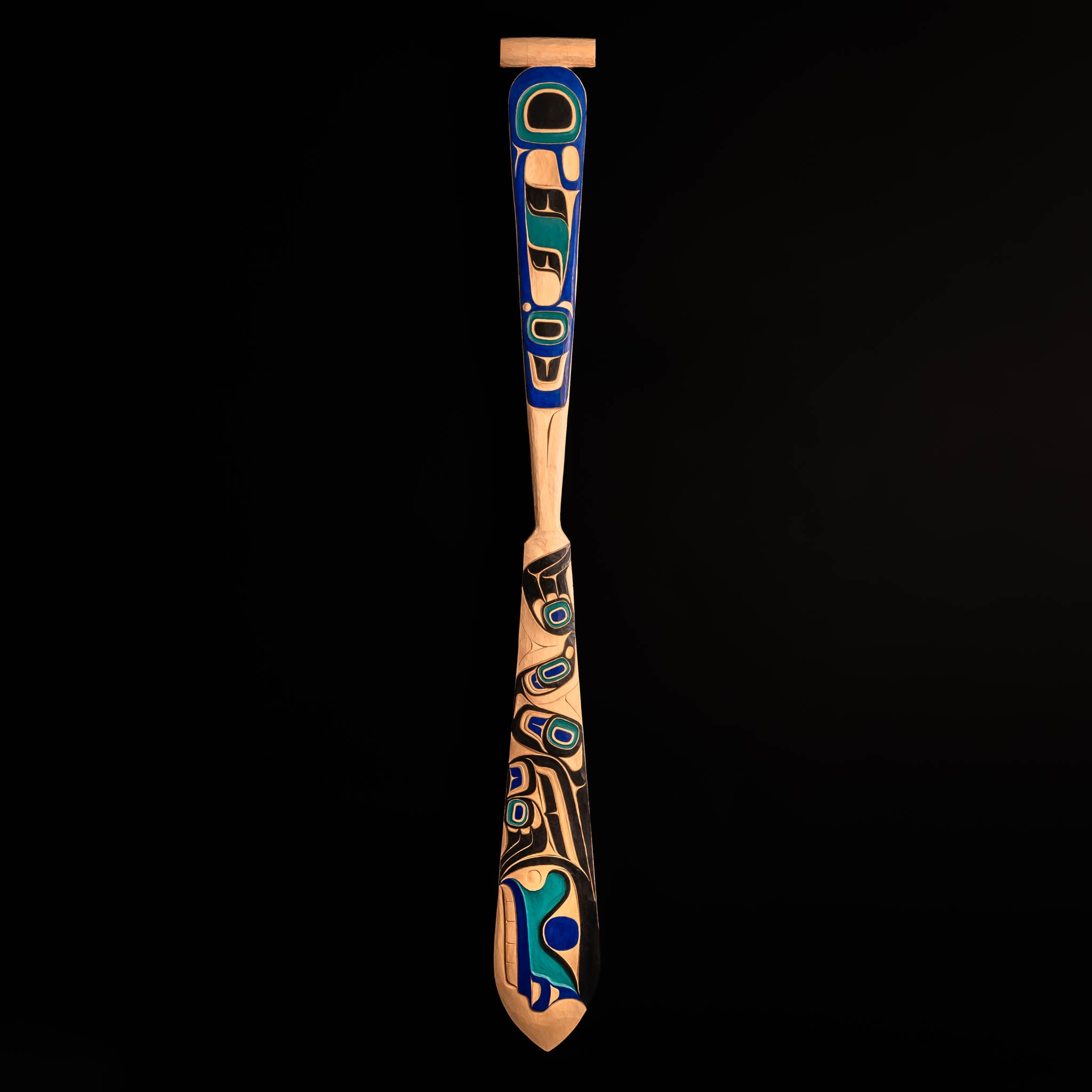
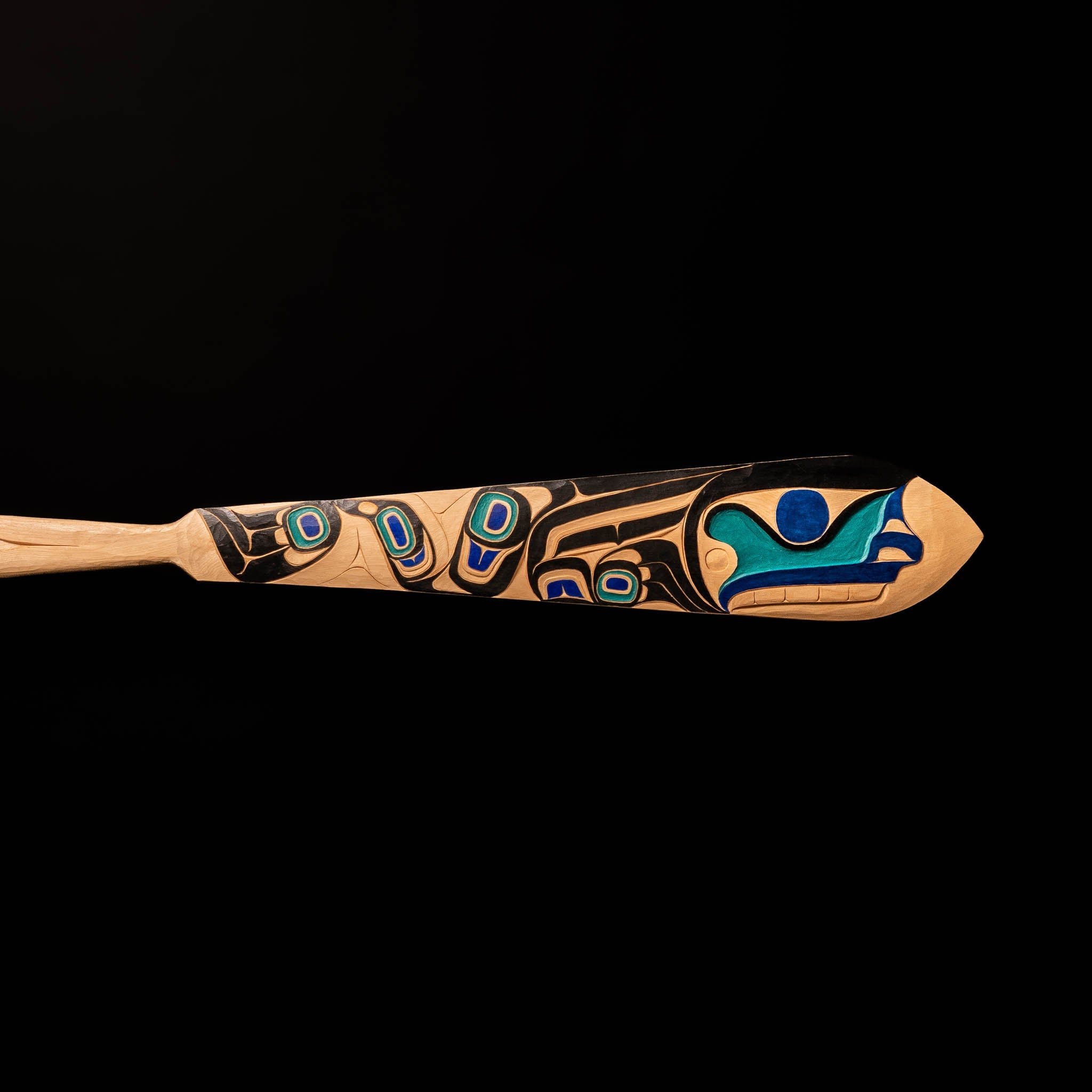

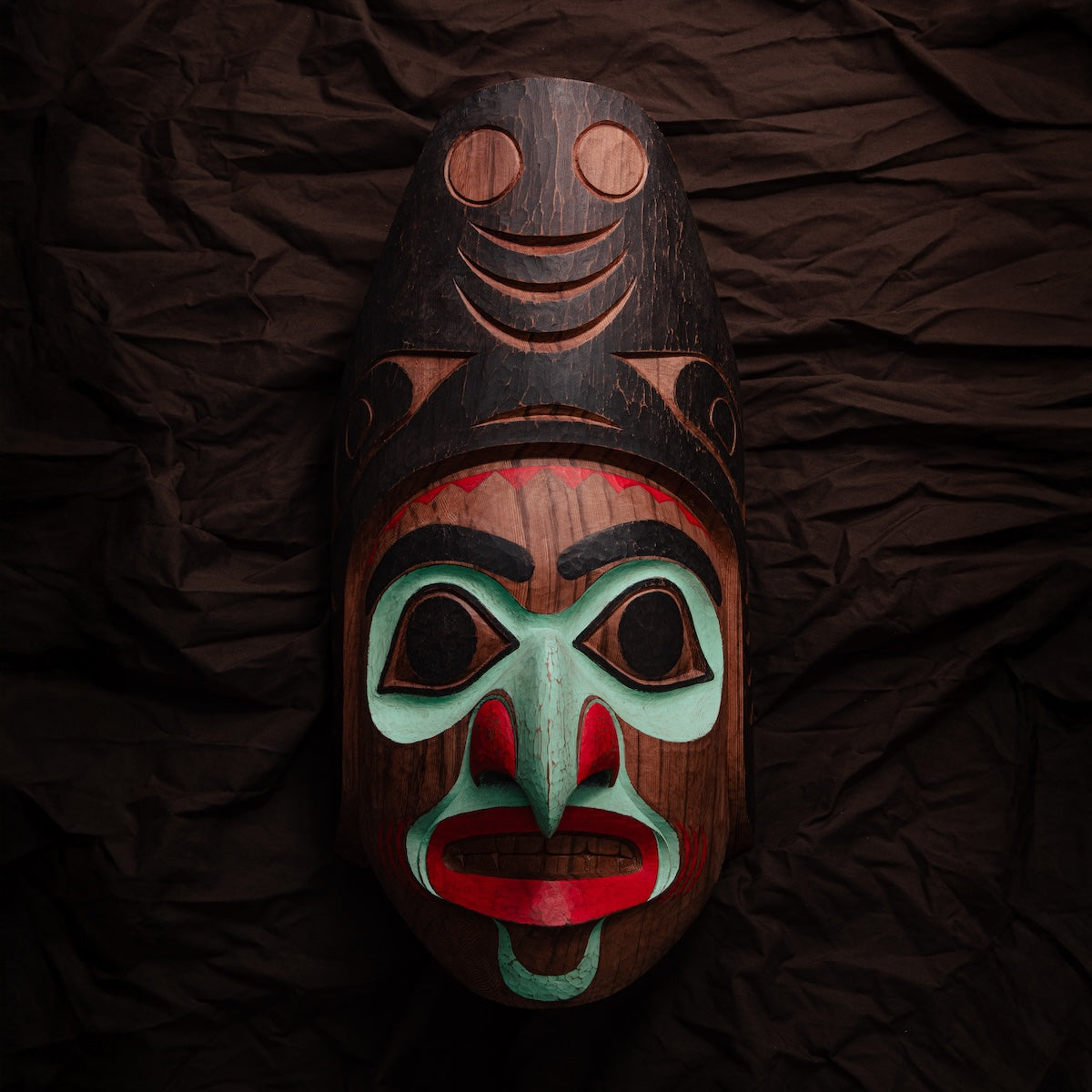
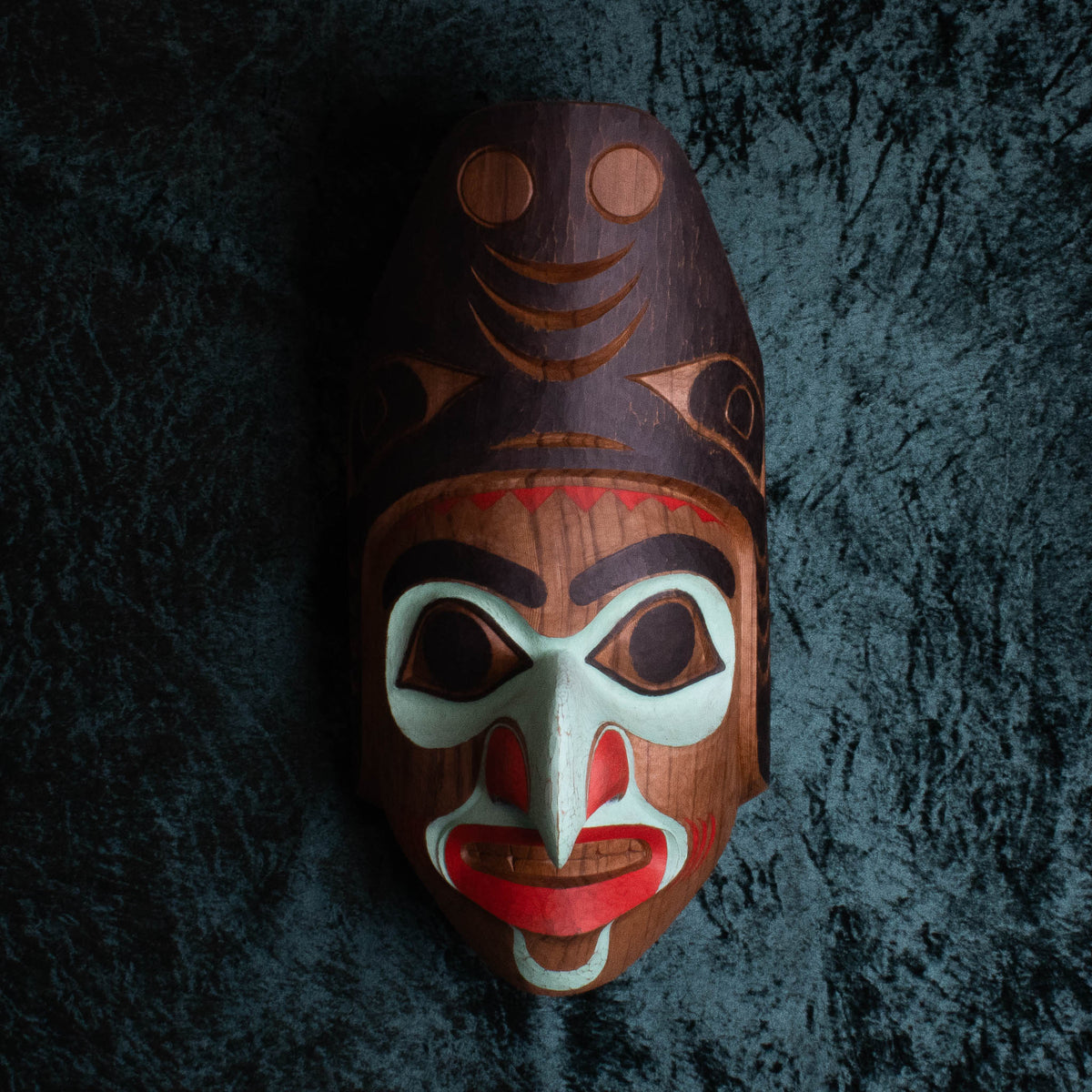
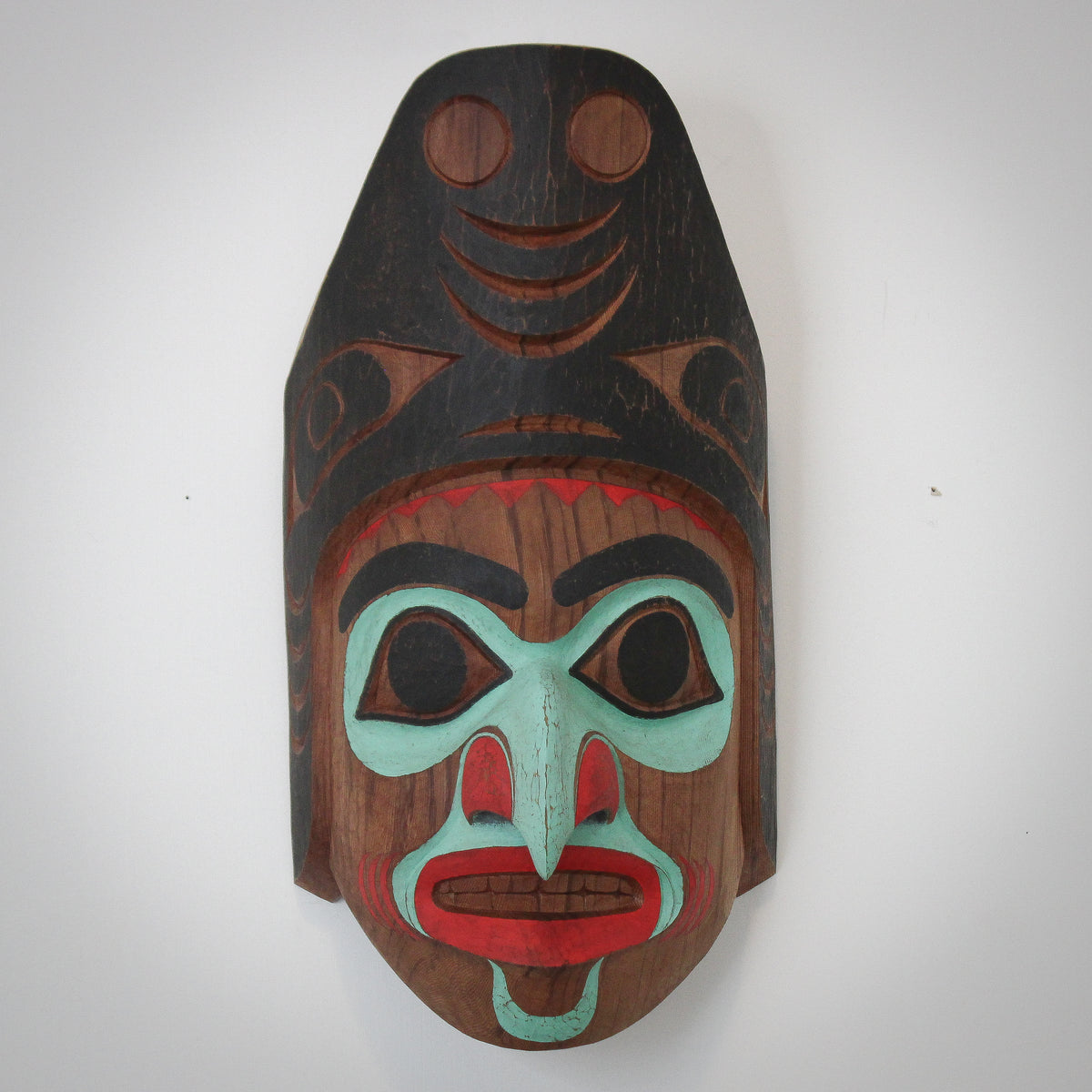
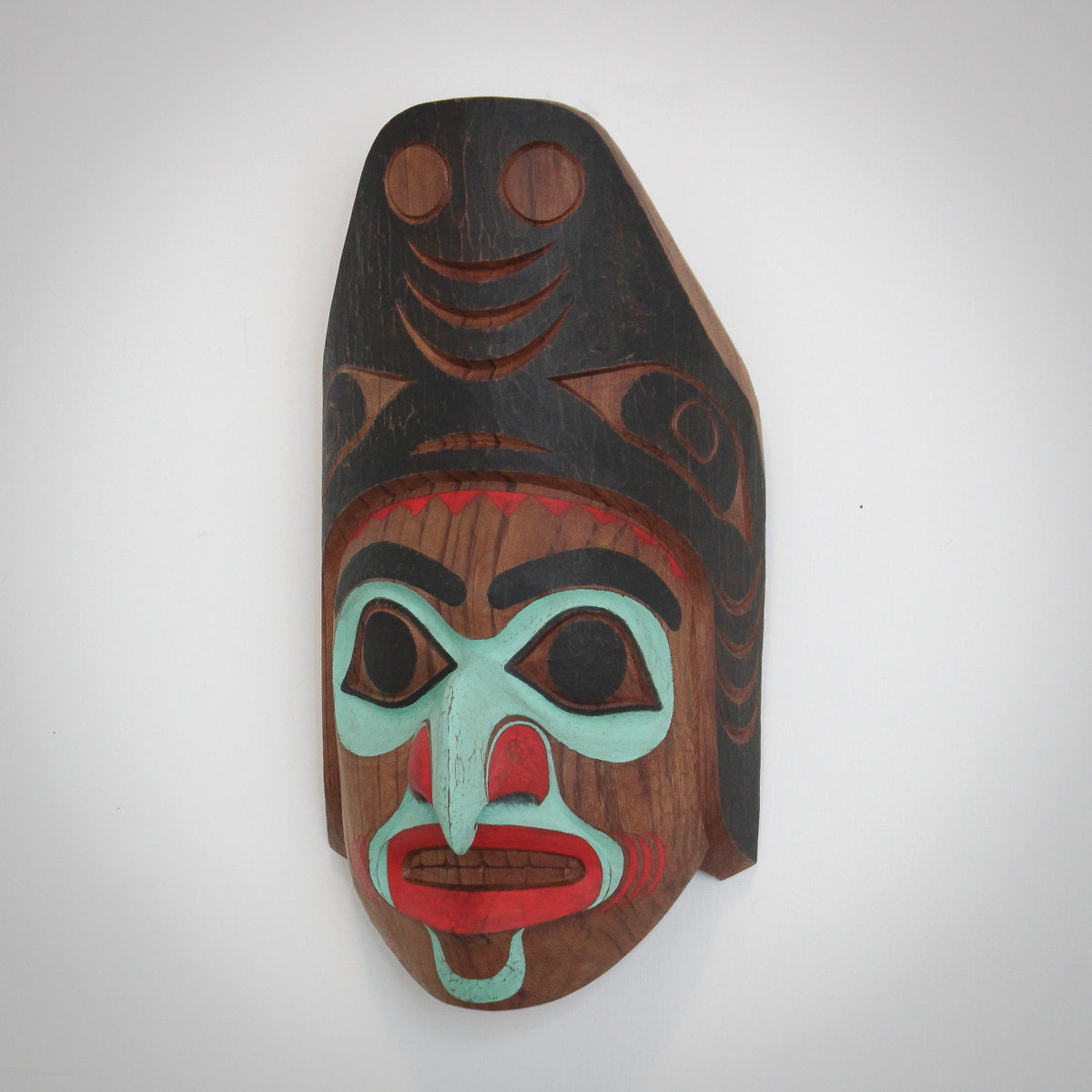
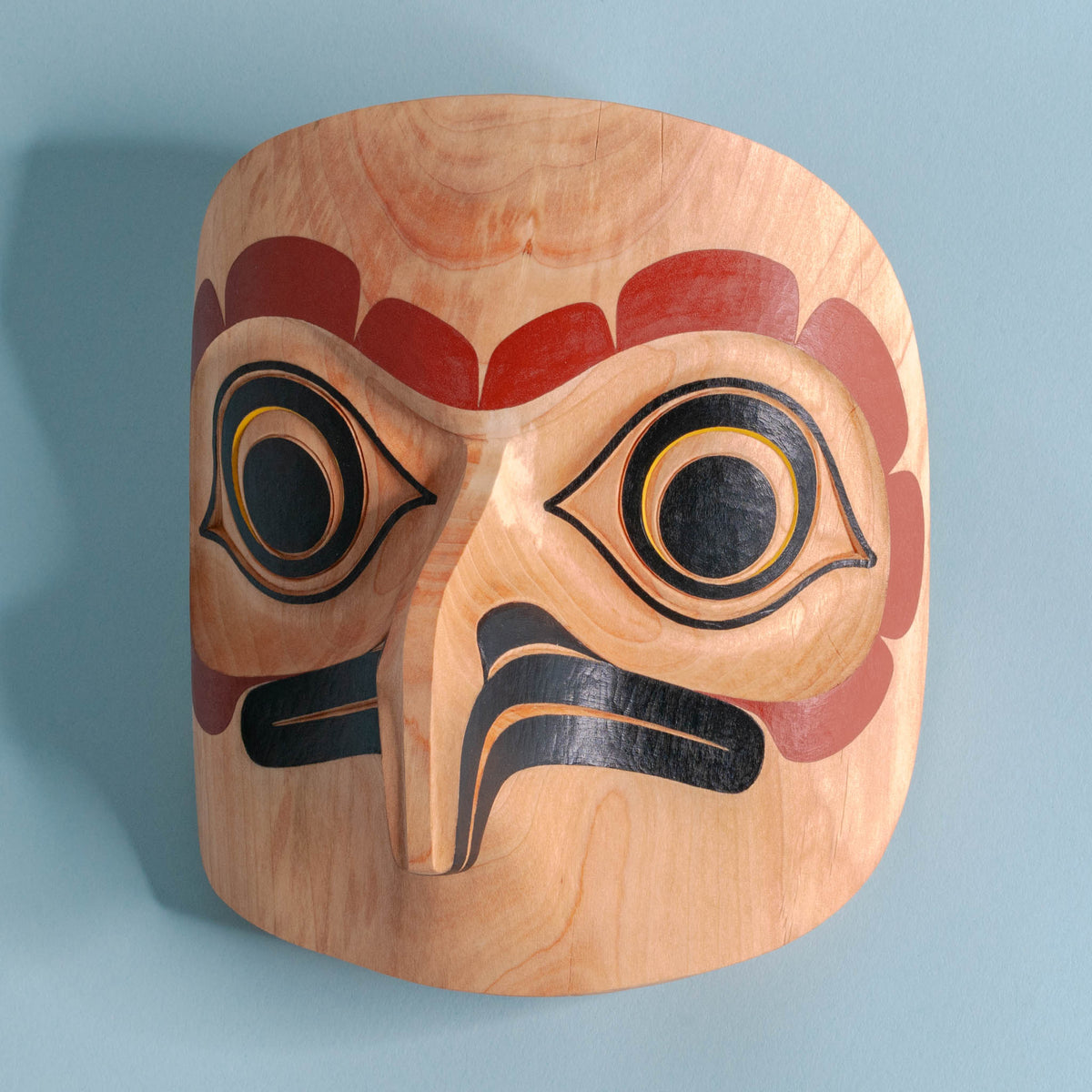
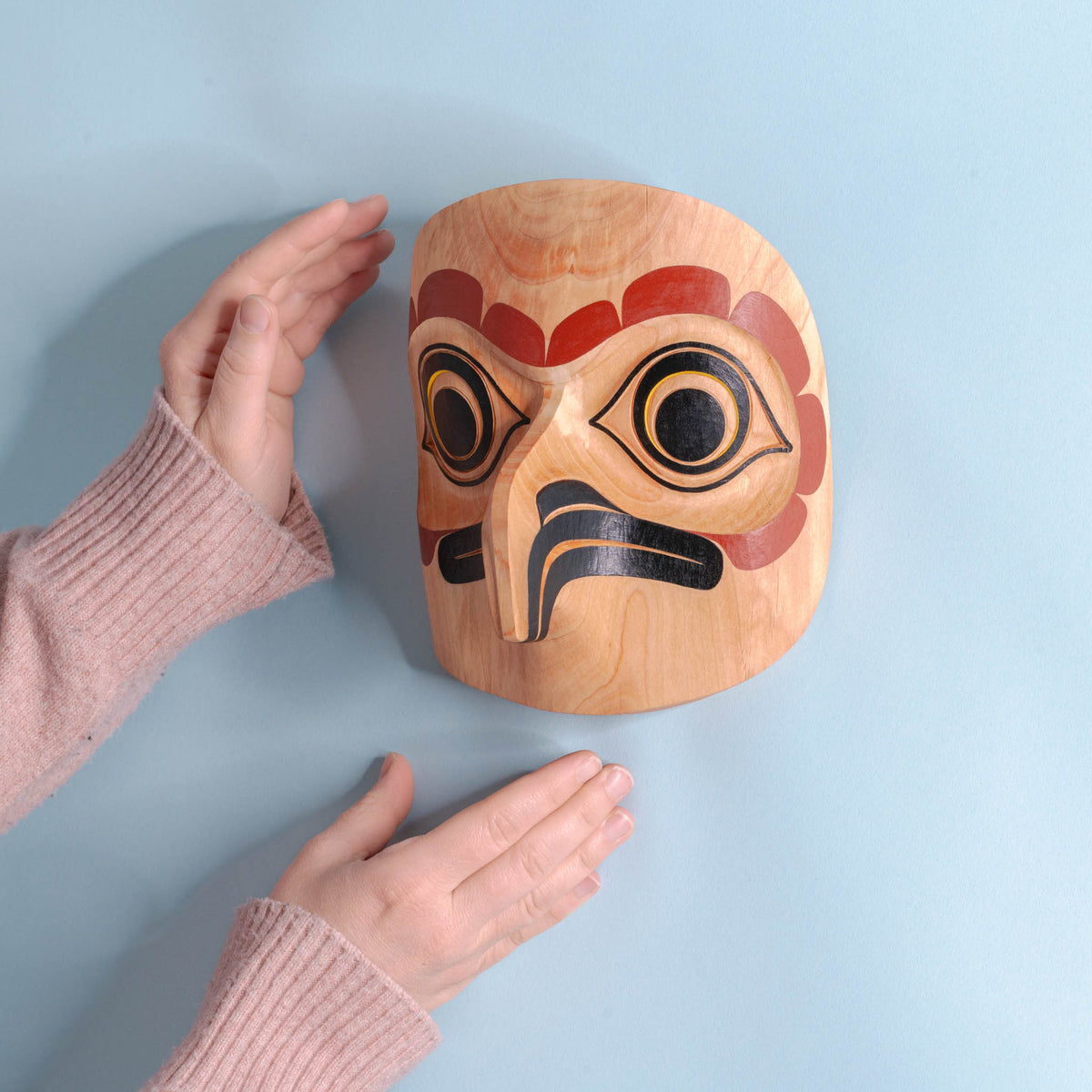
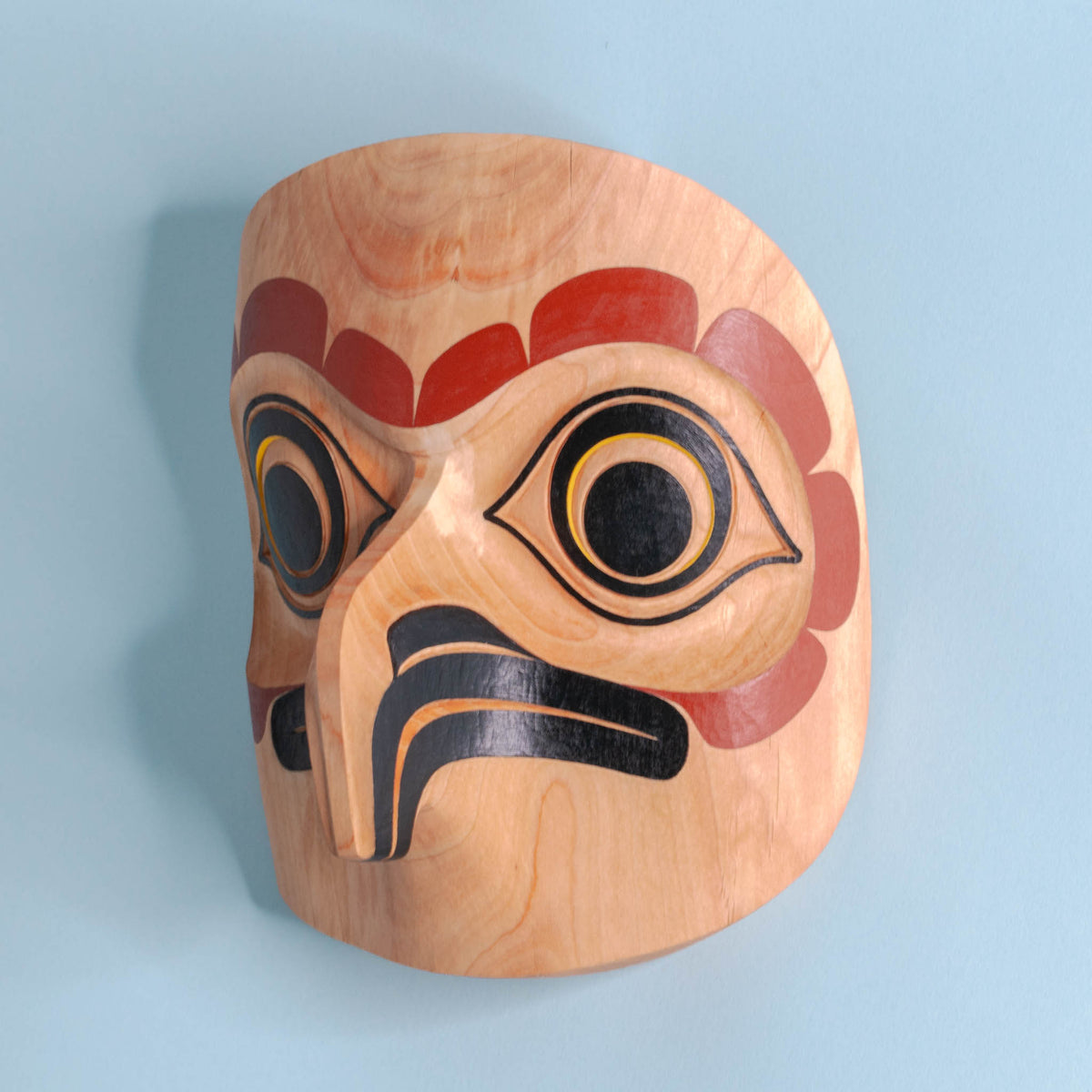
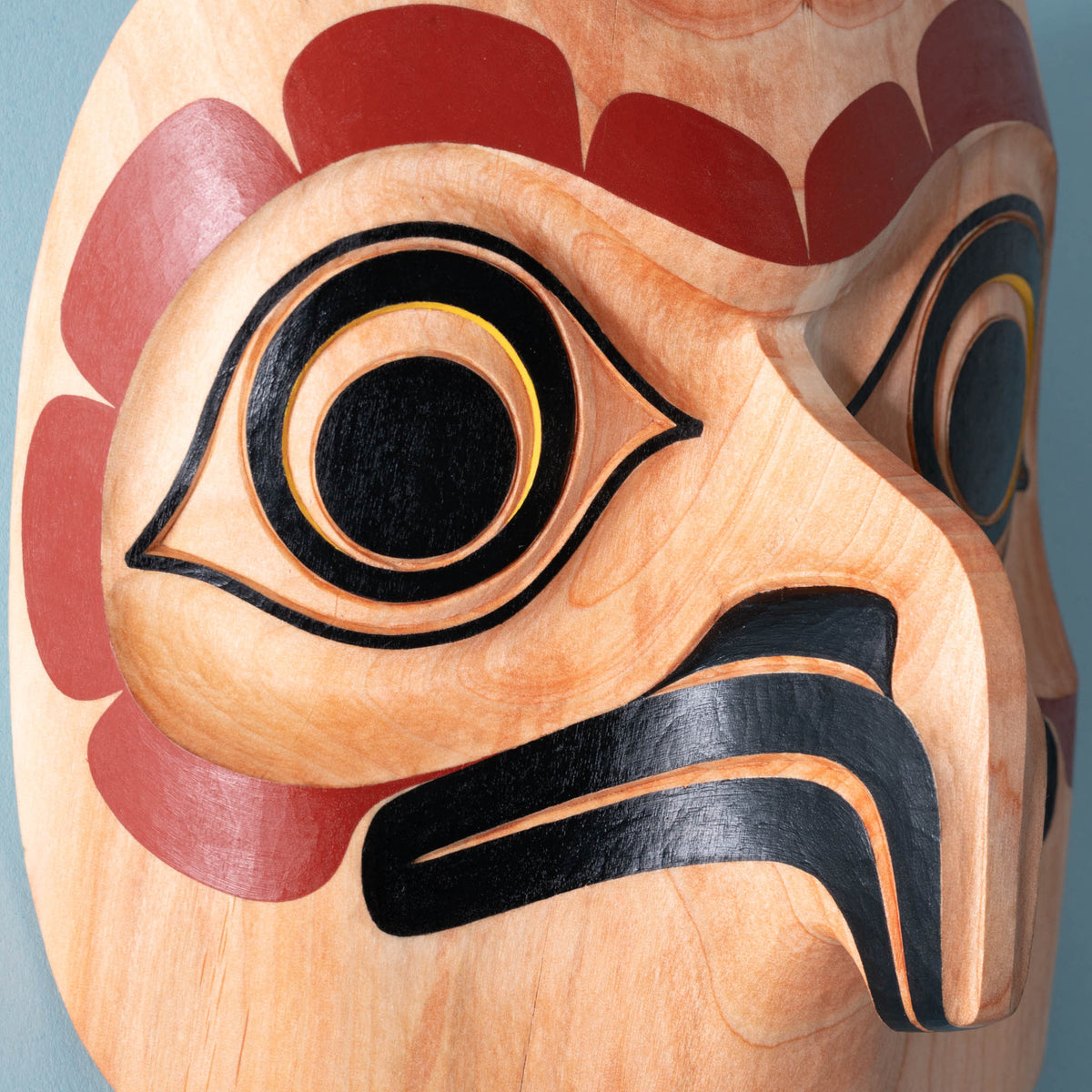
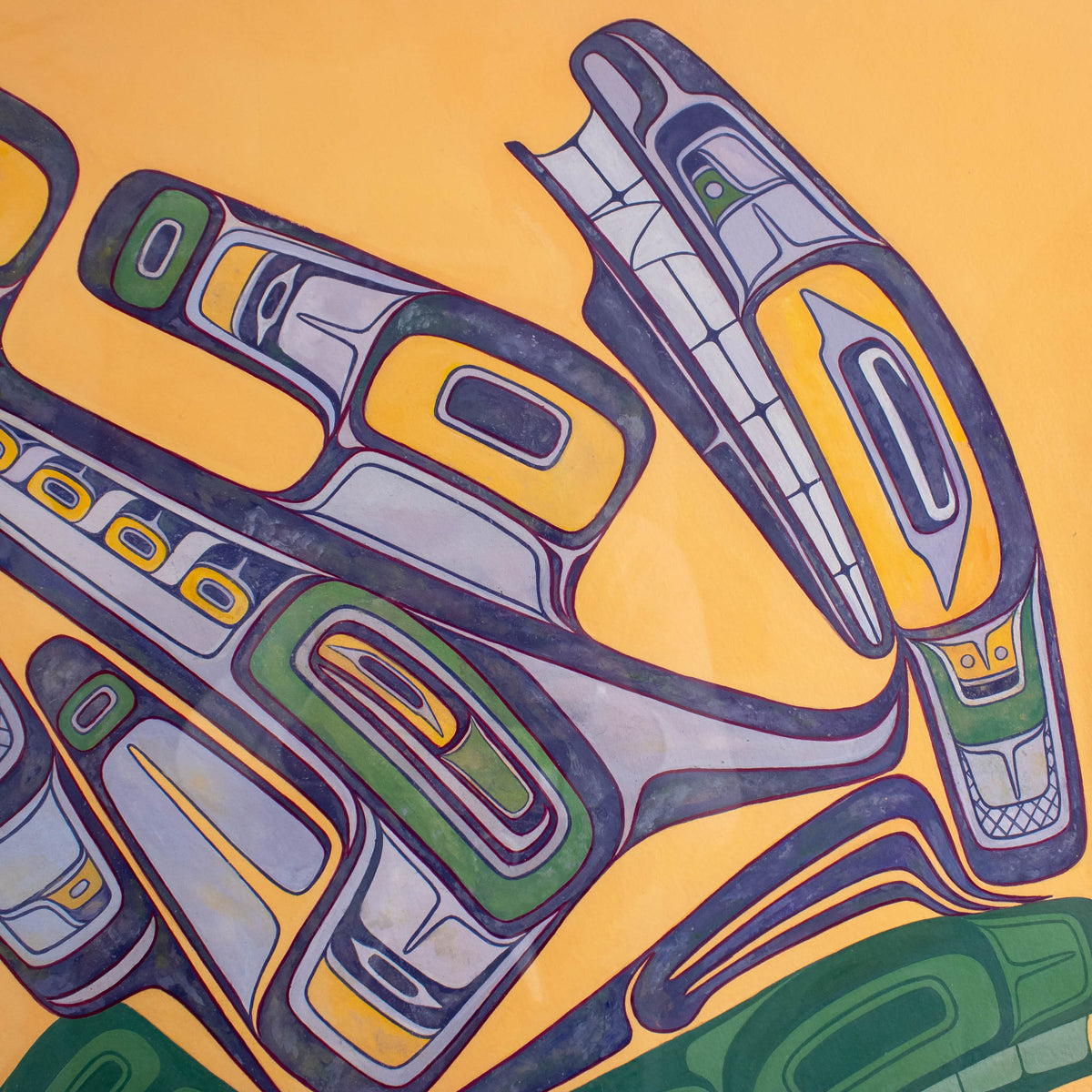
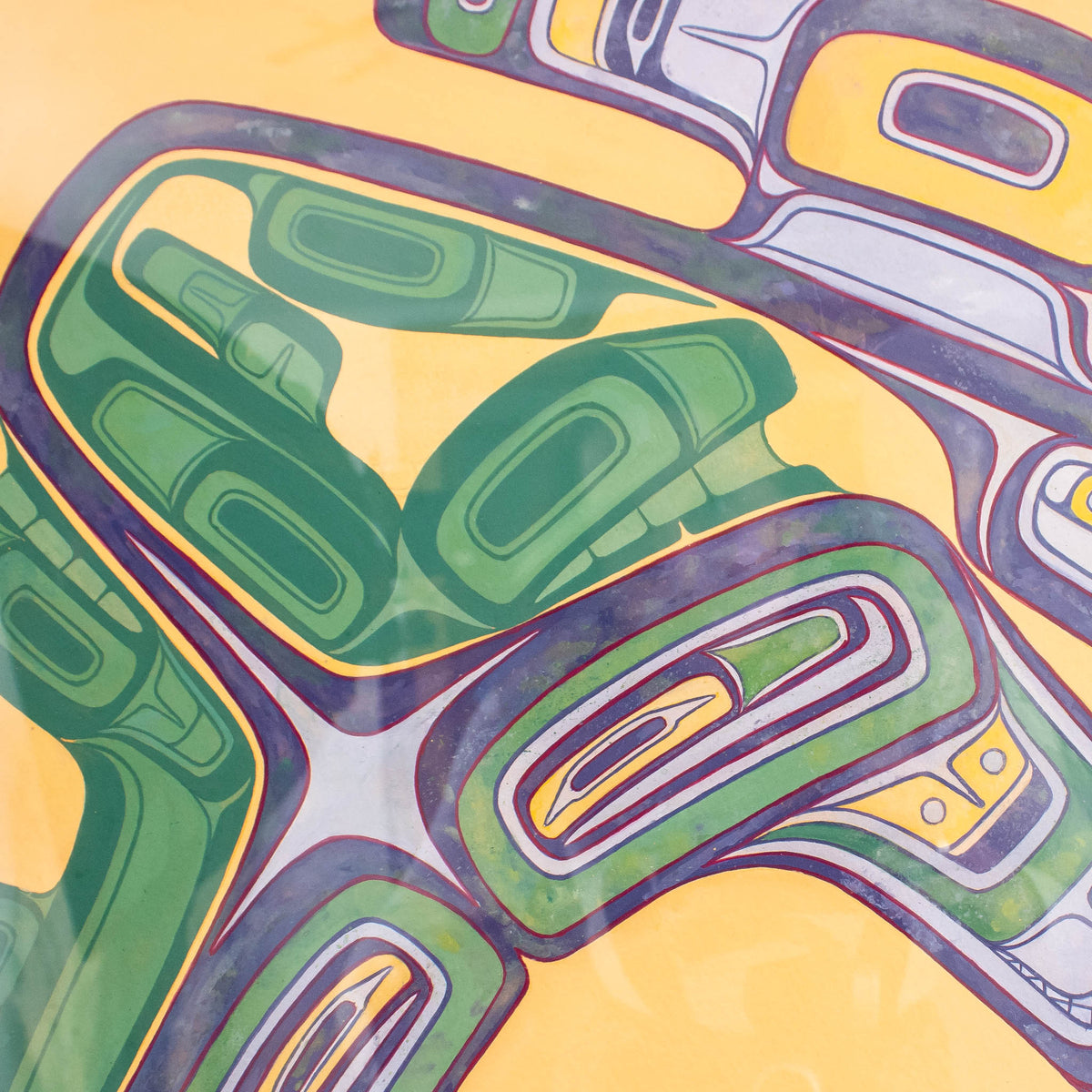
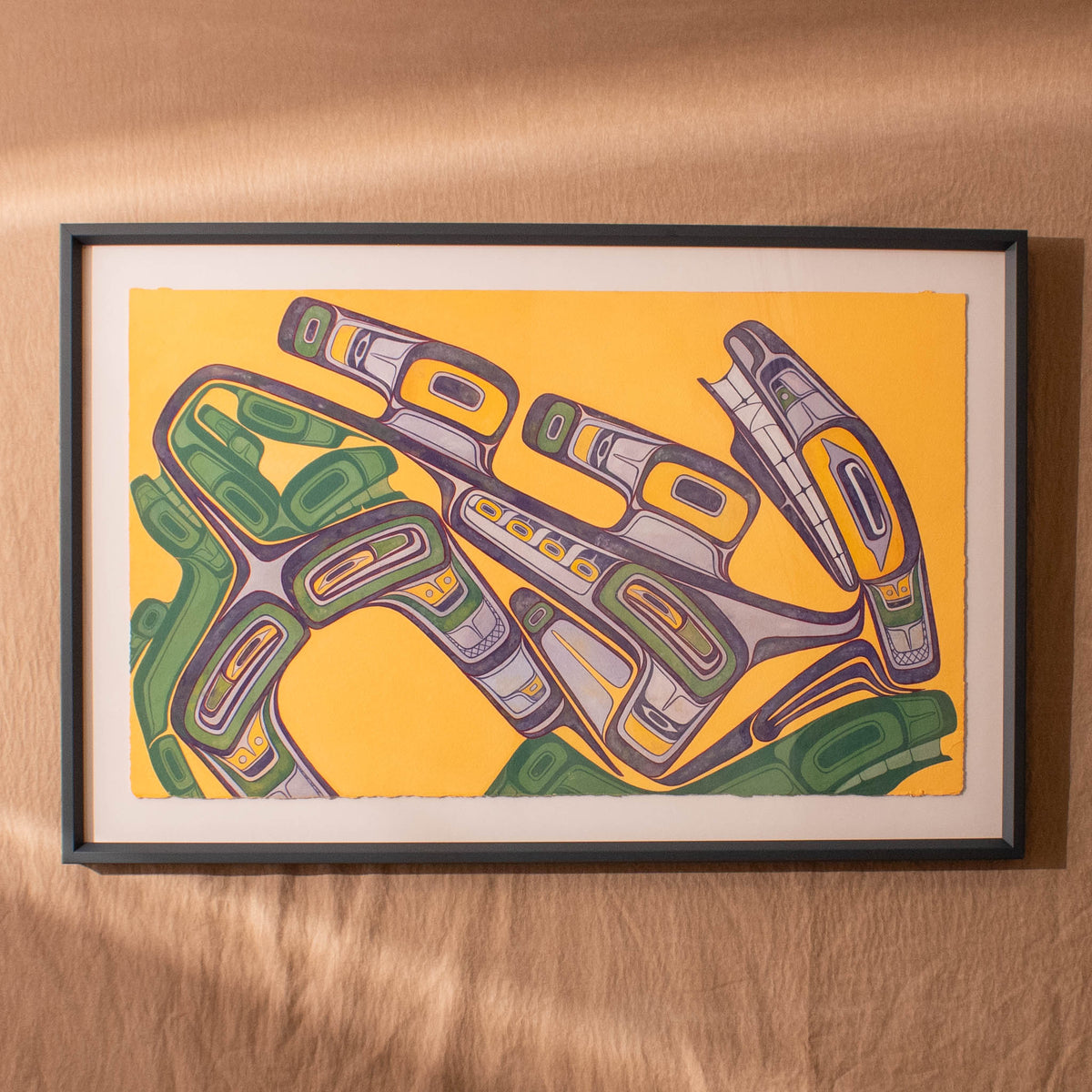
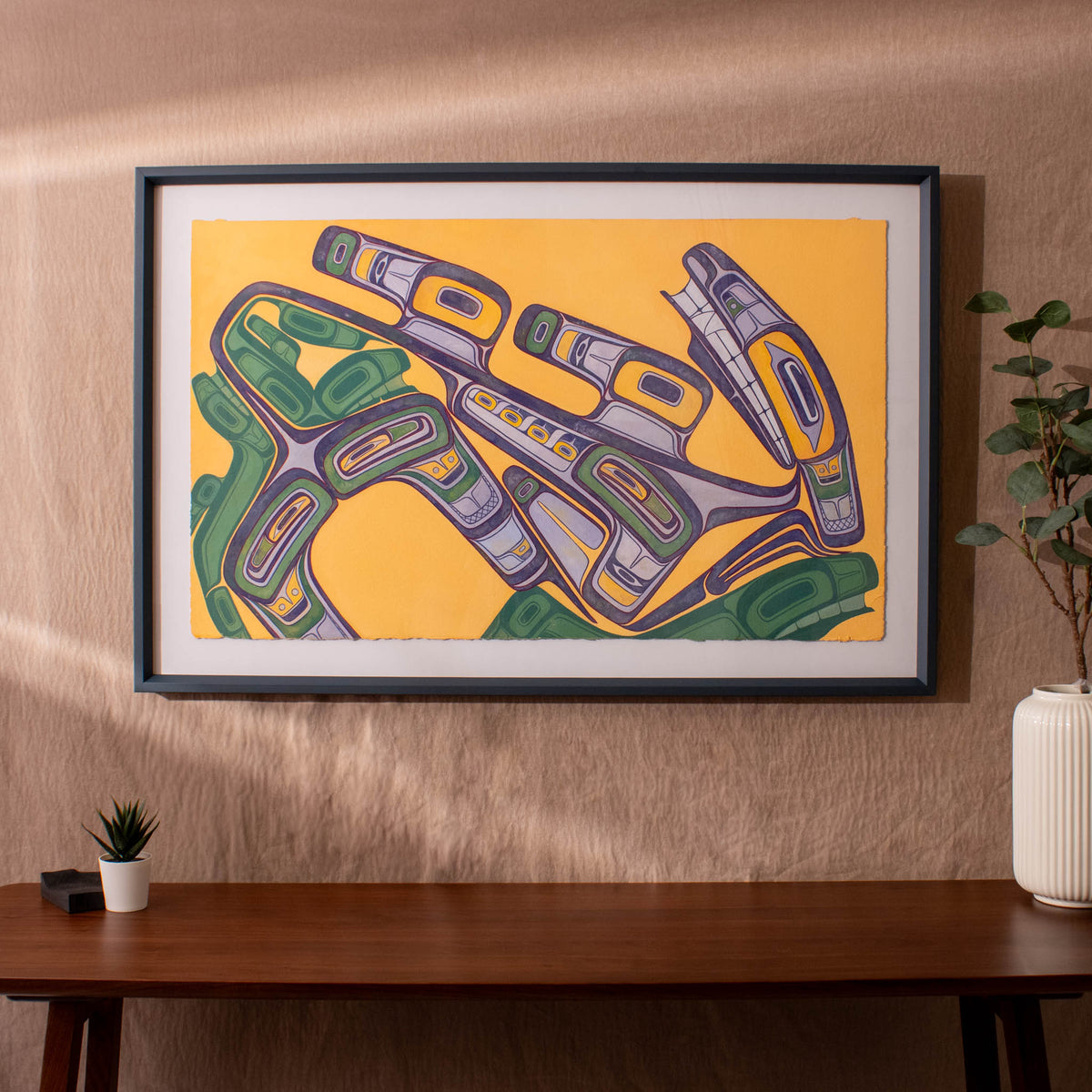
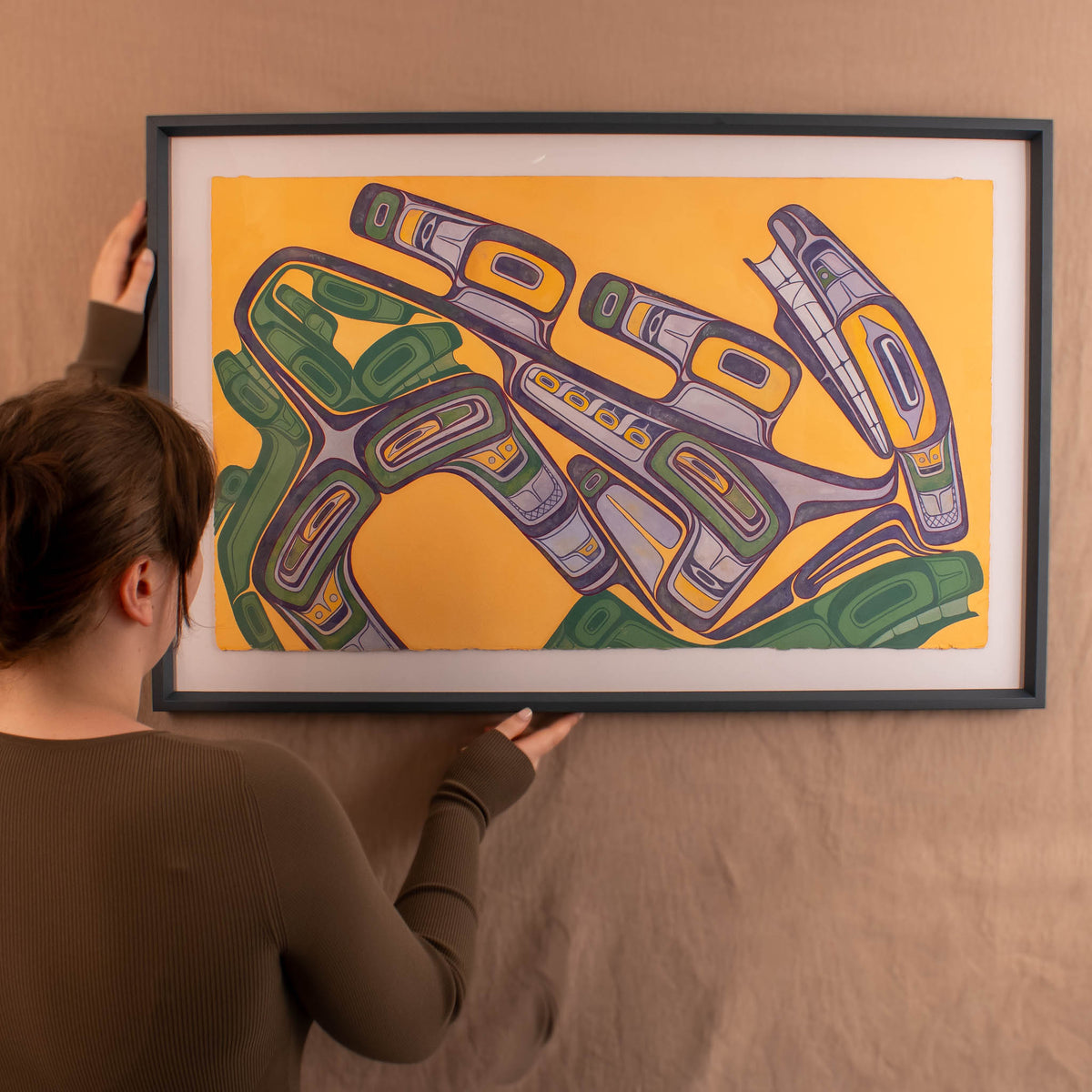
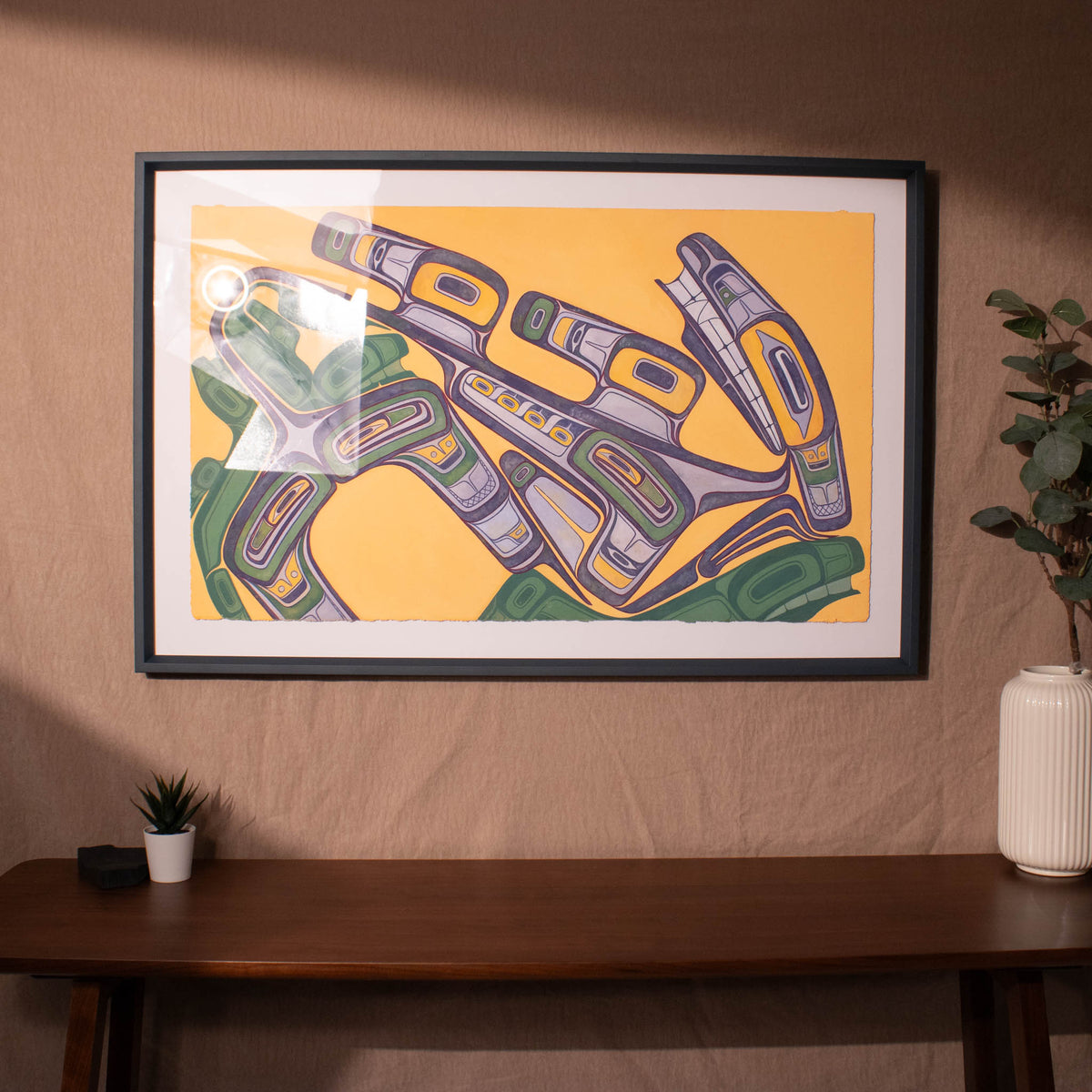
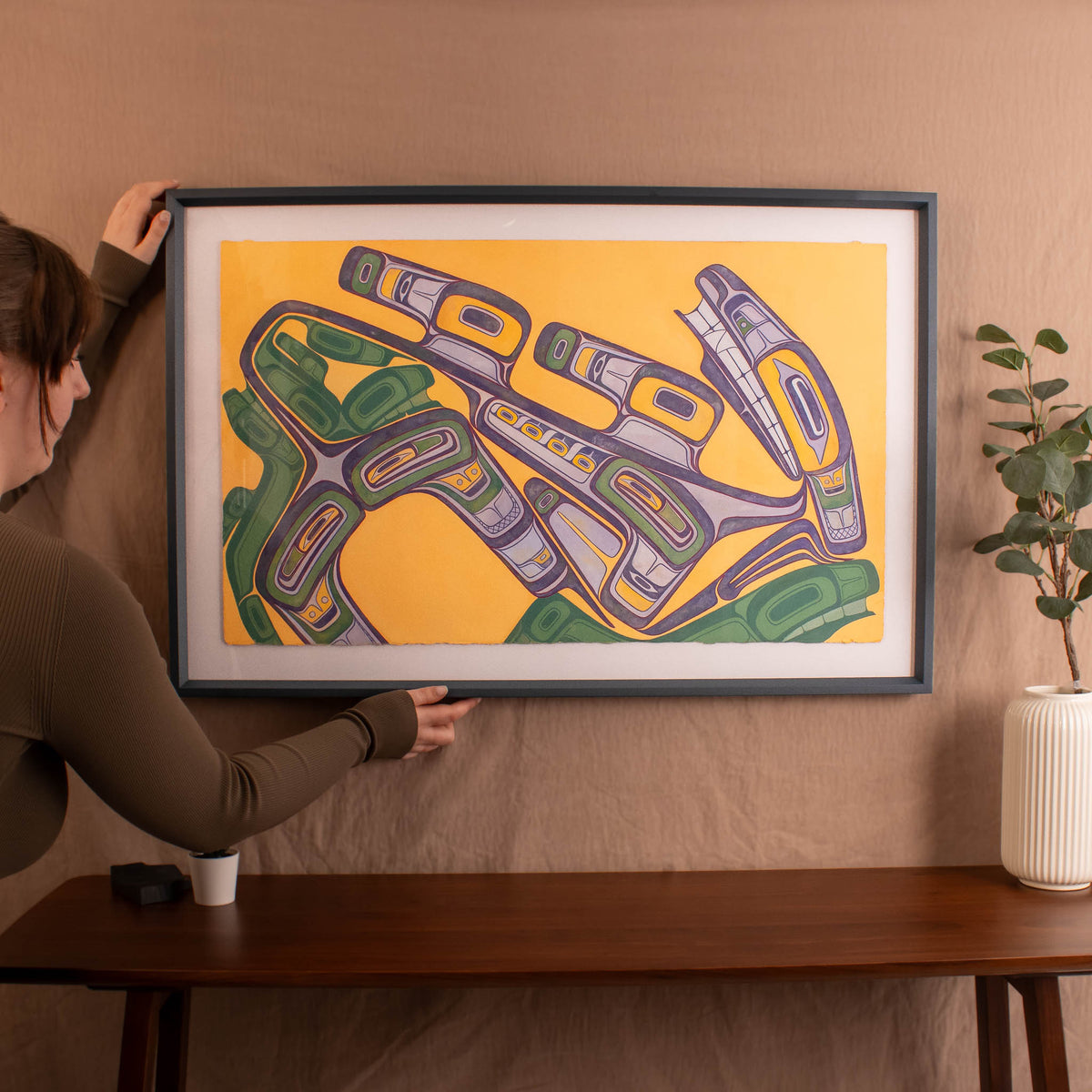
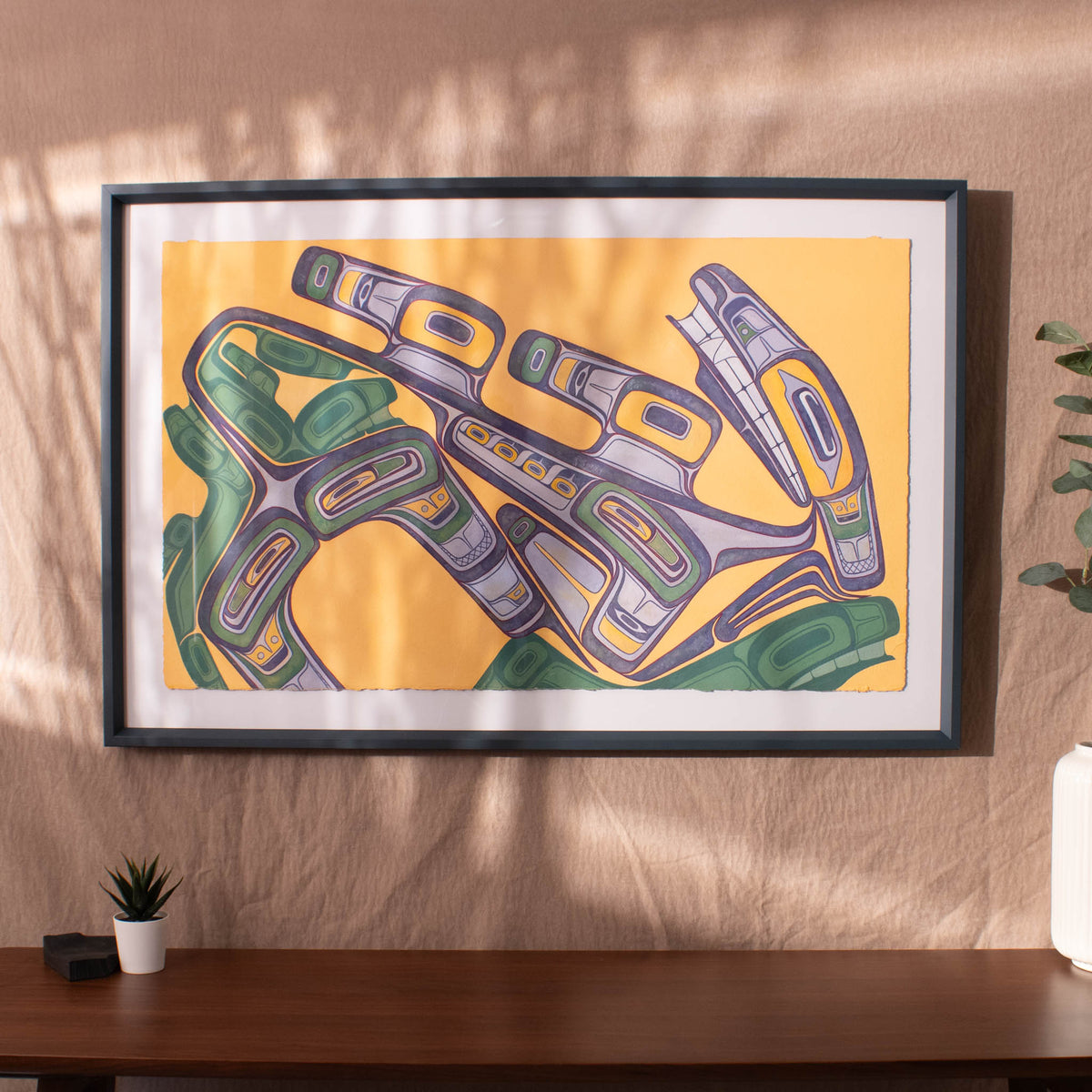
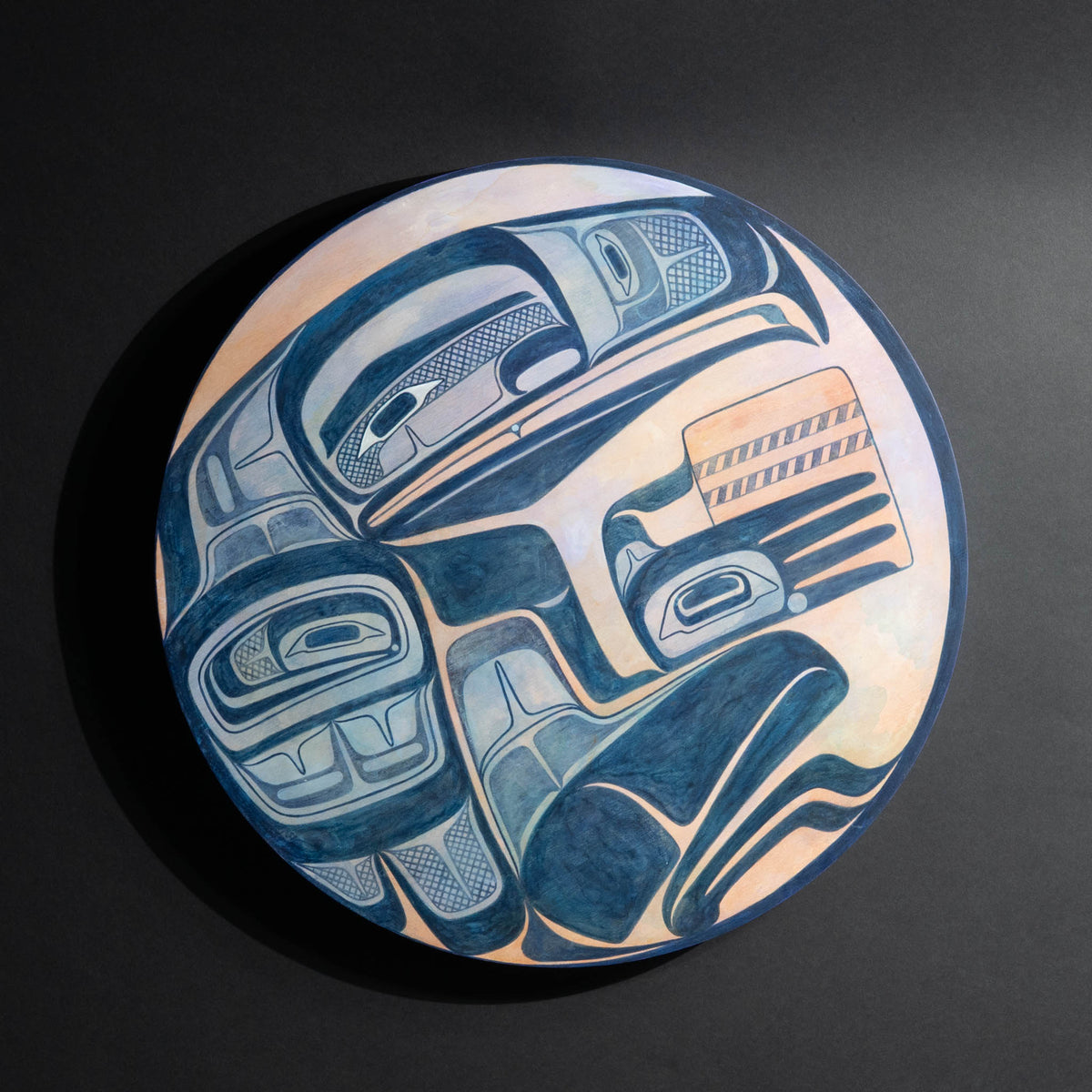
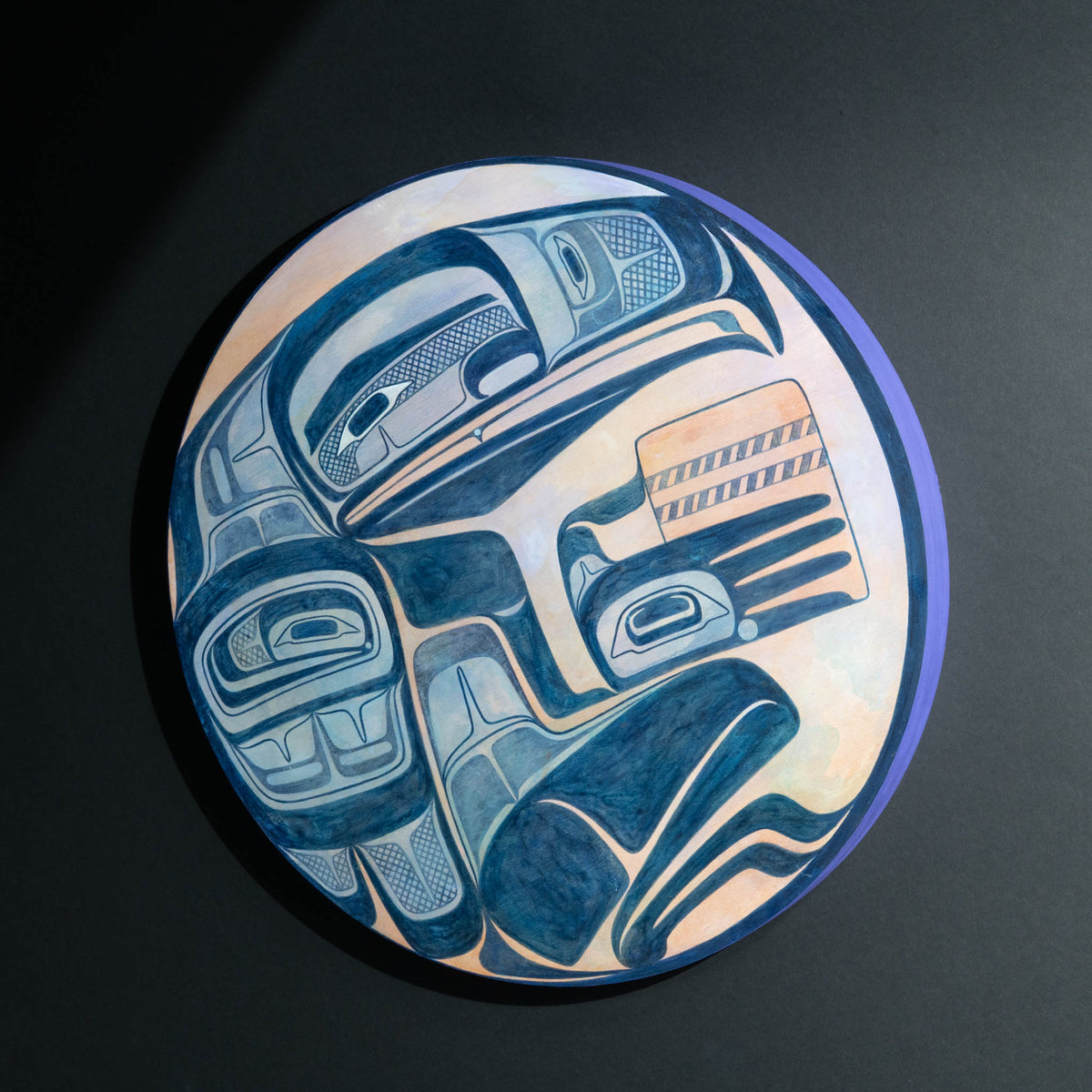
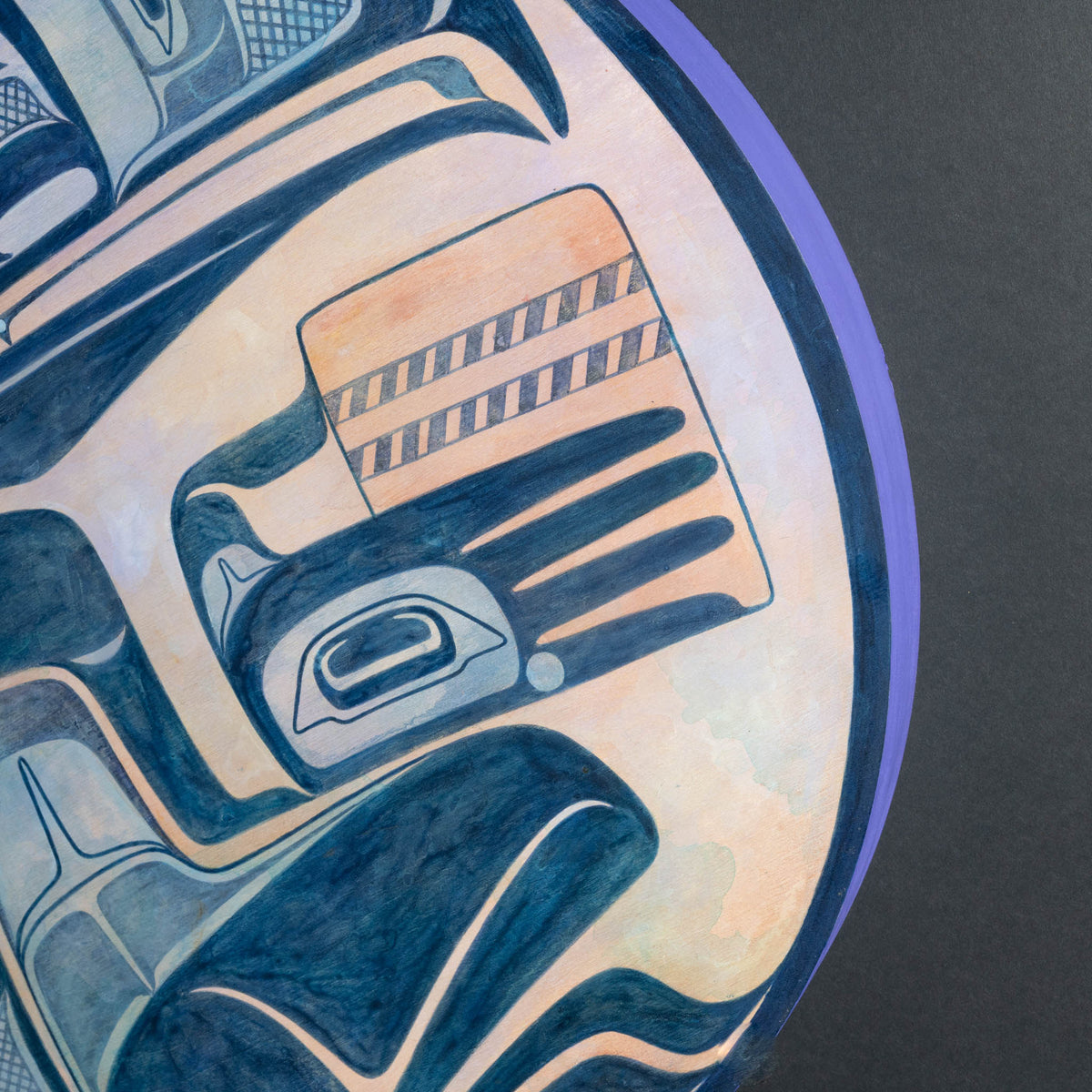
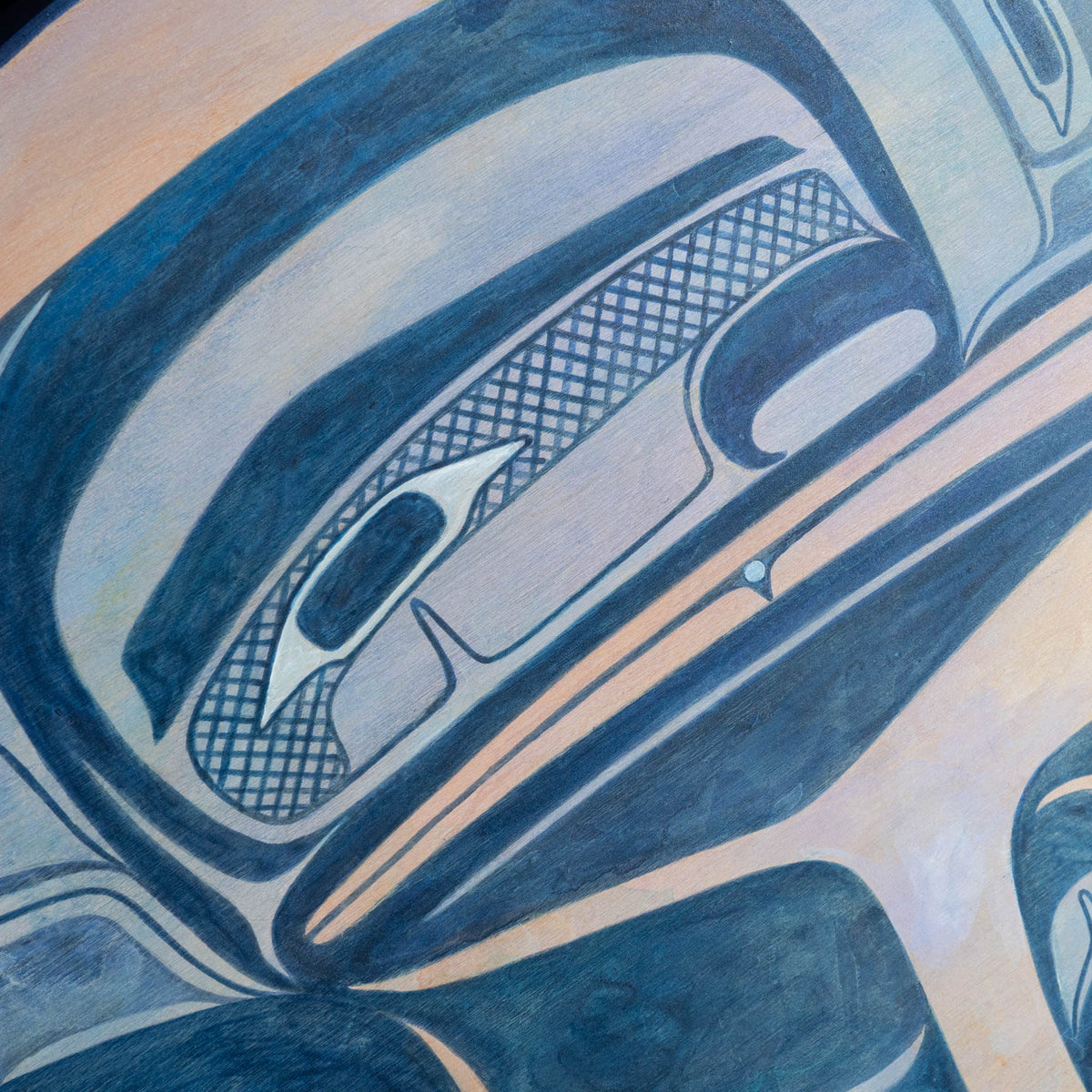
What is Haida Art?
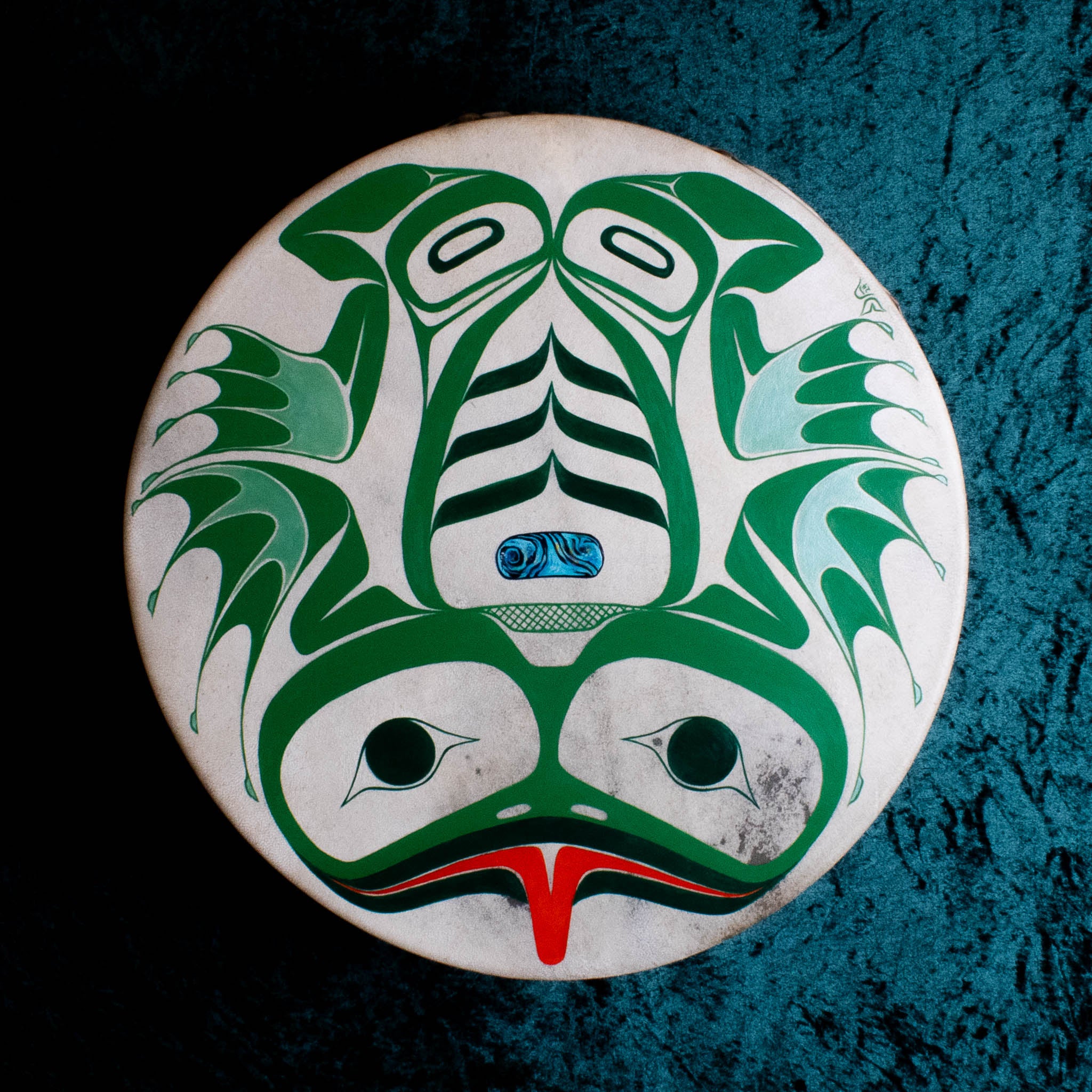
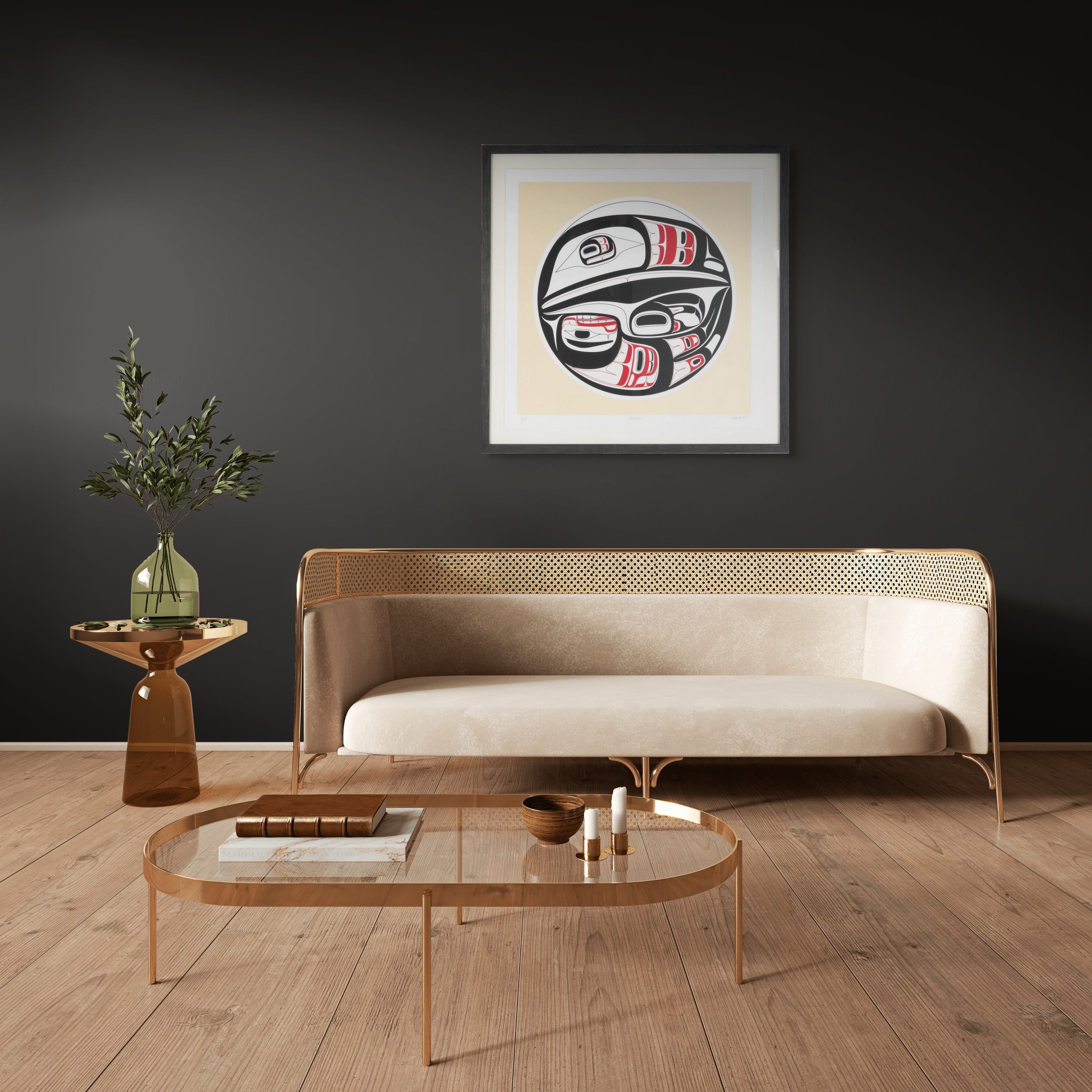
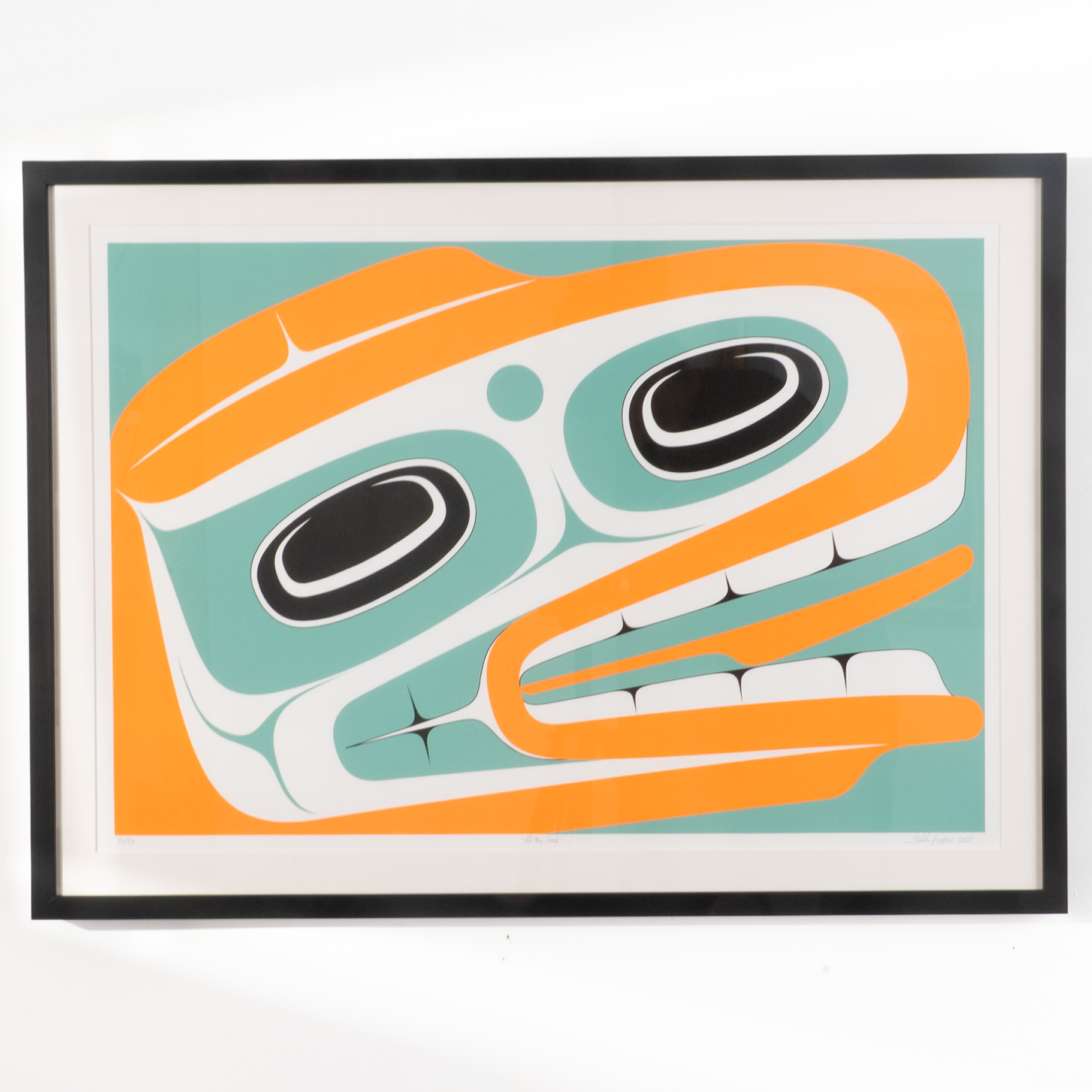
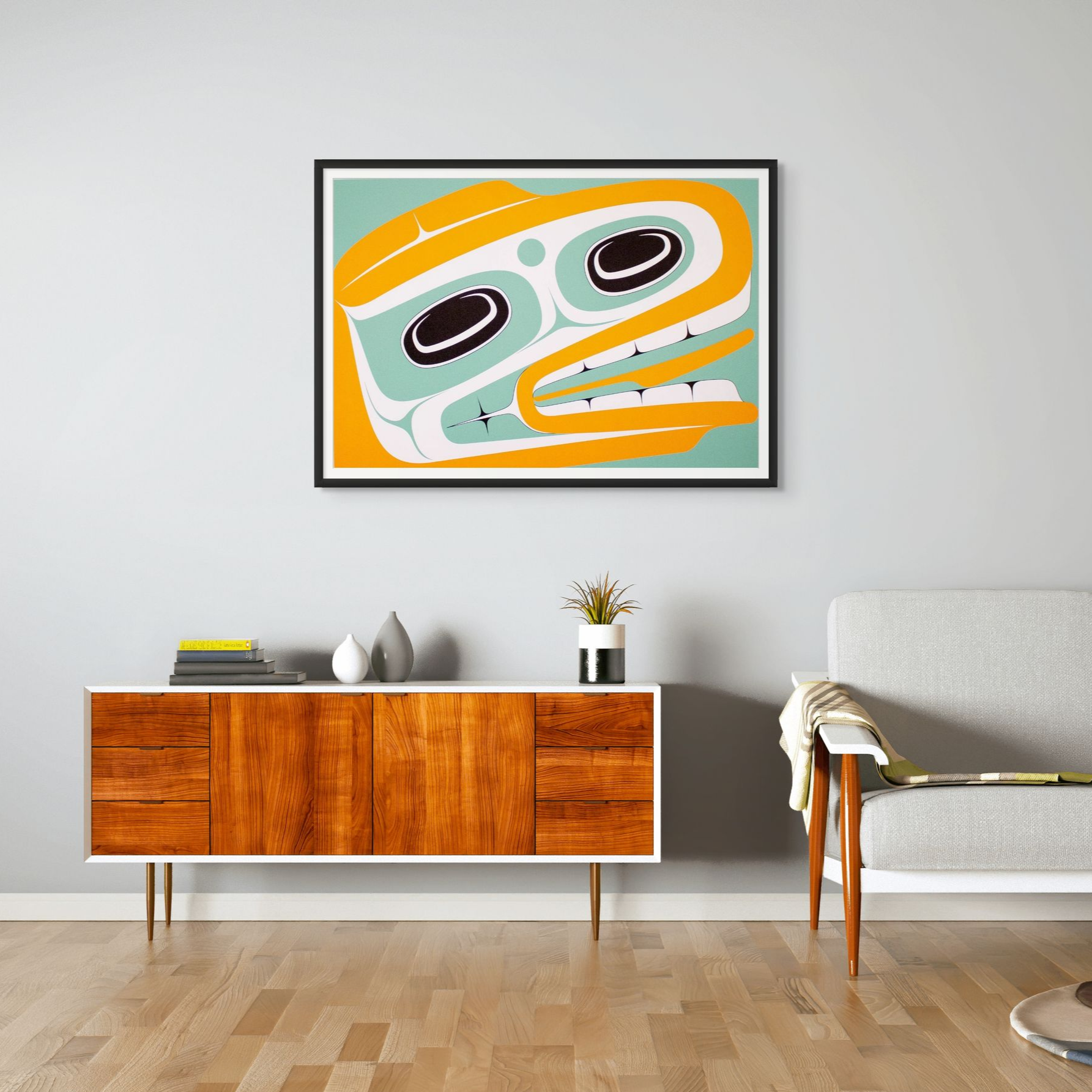
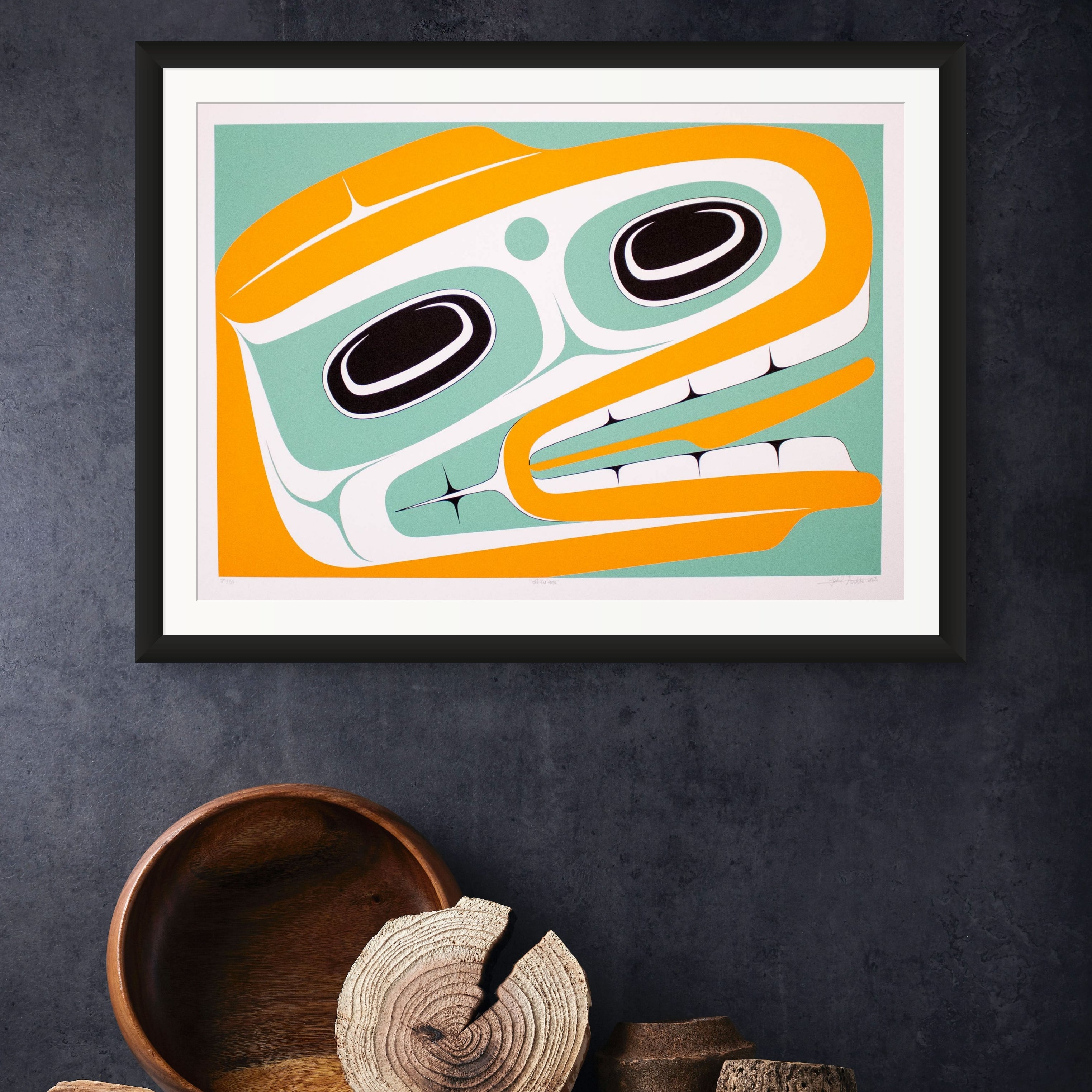
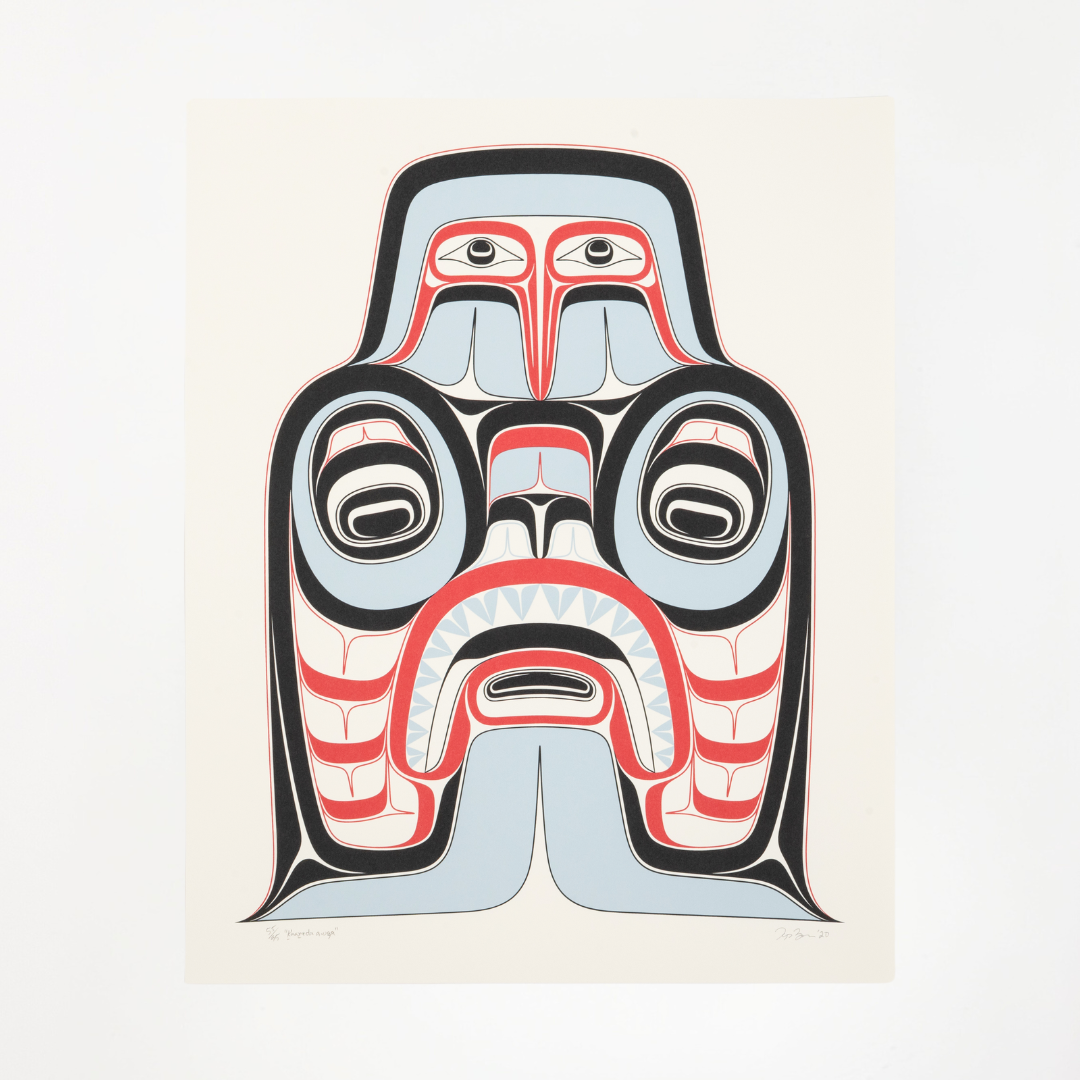
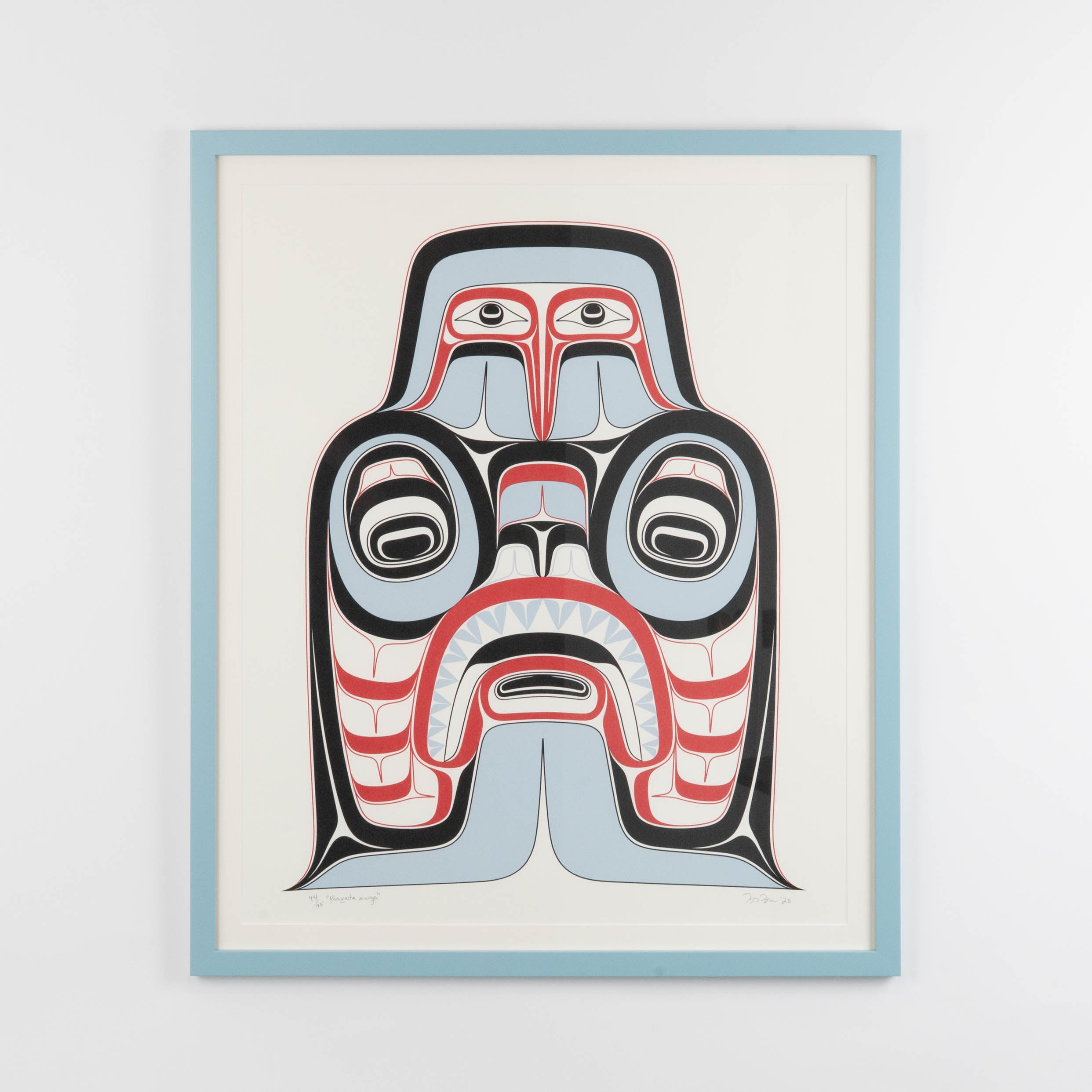
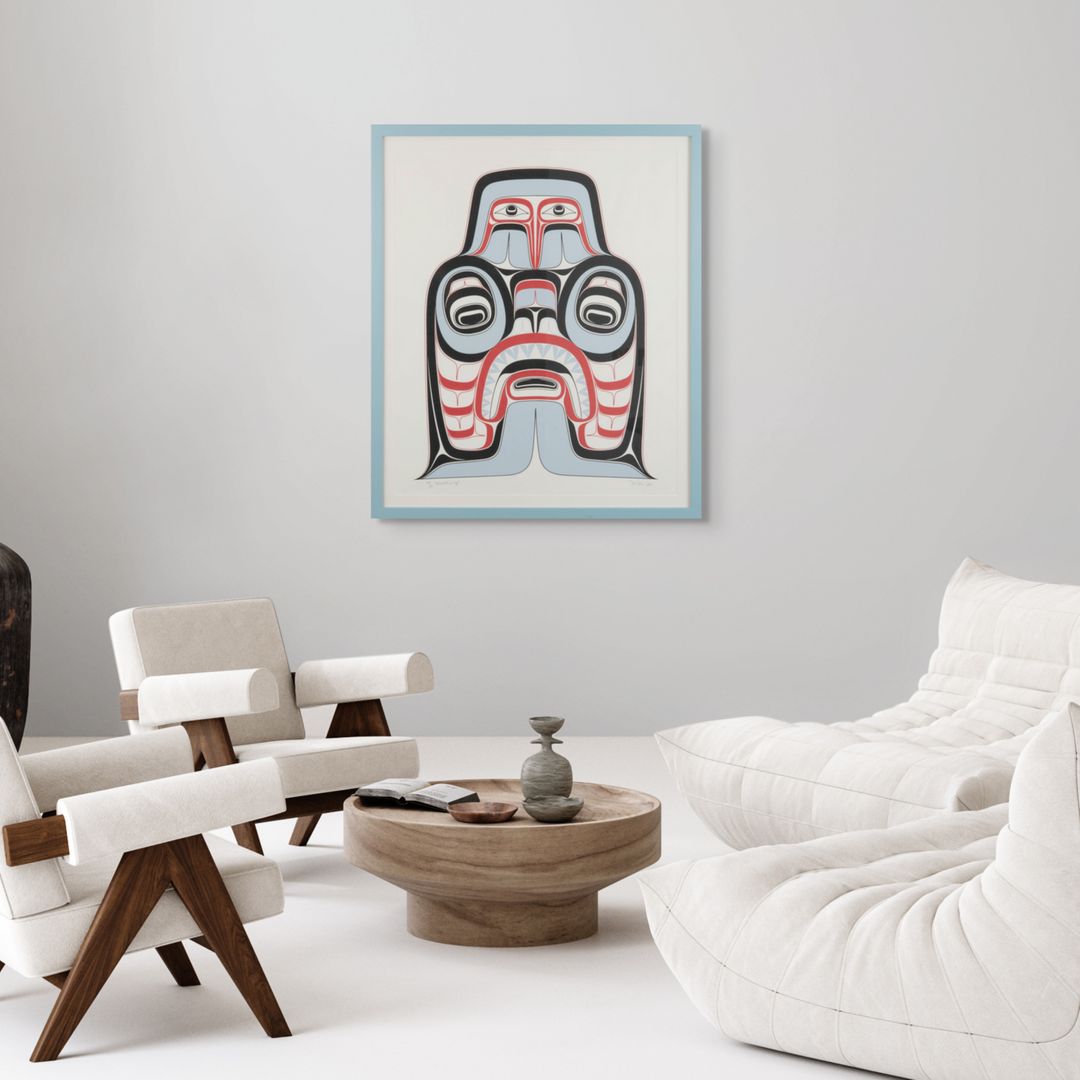
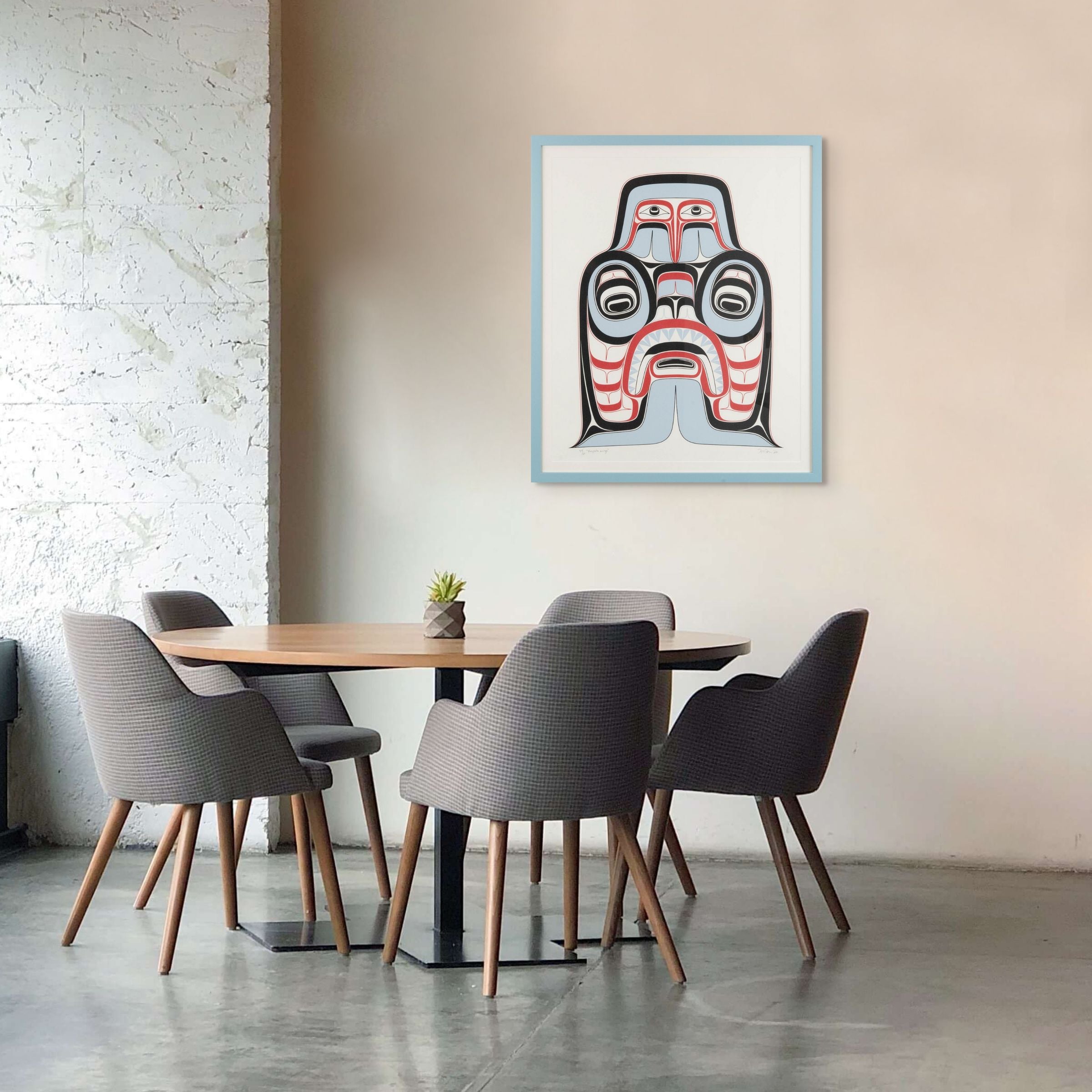
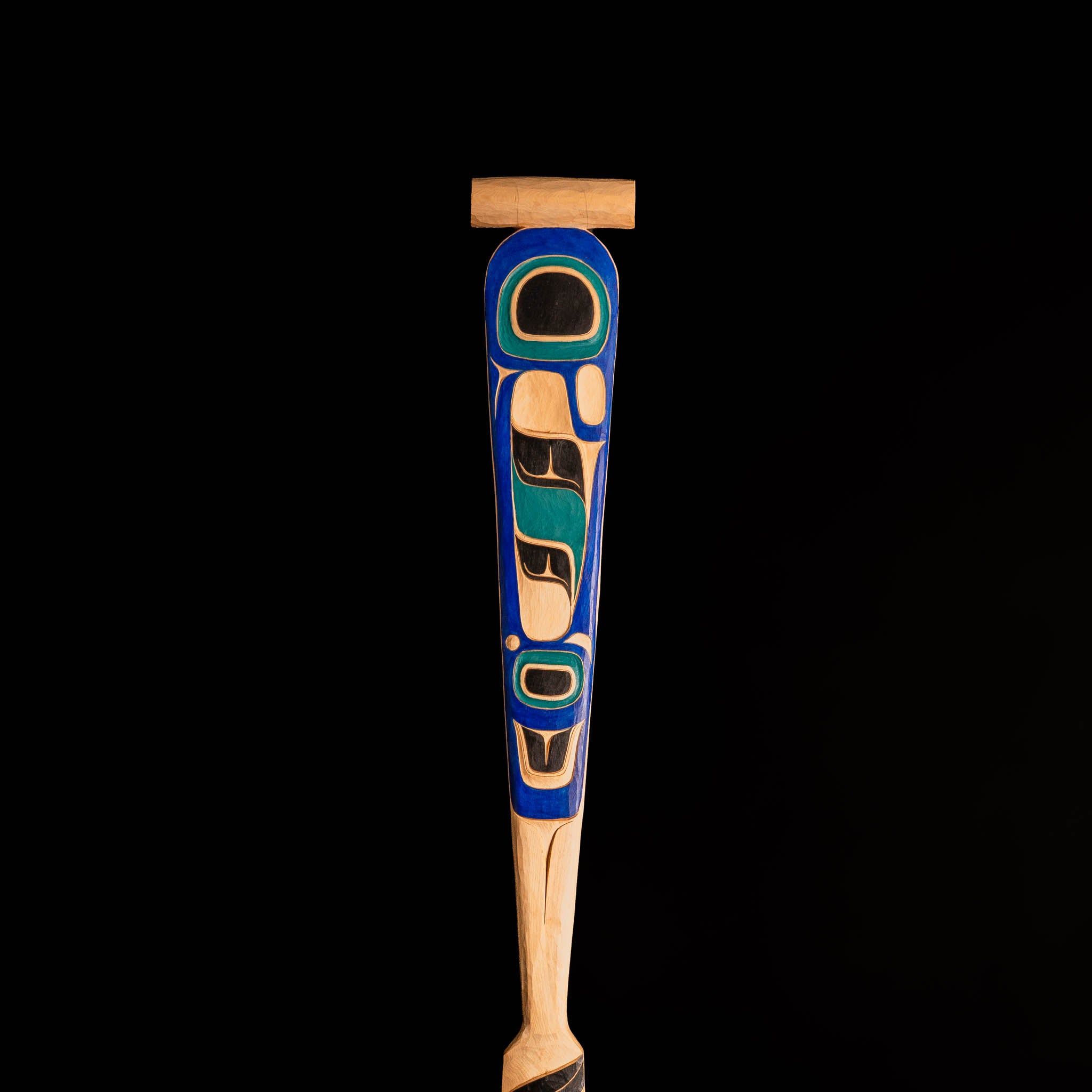
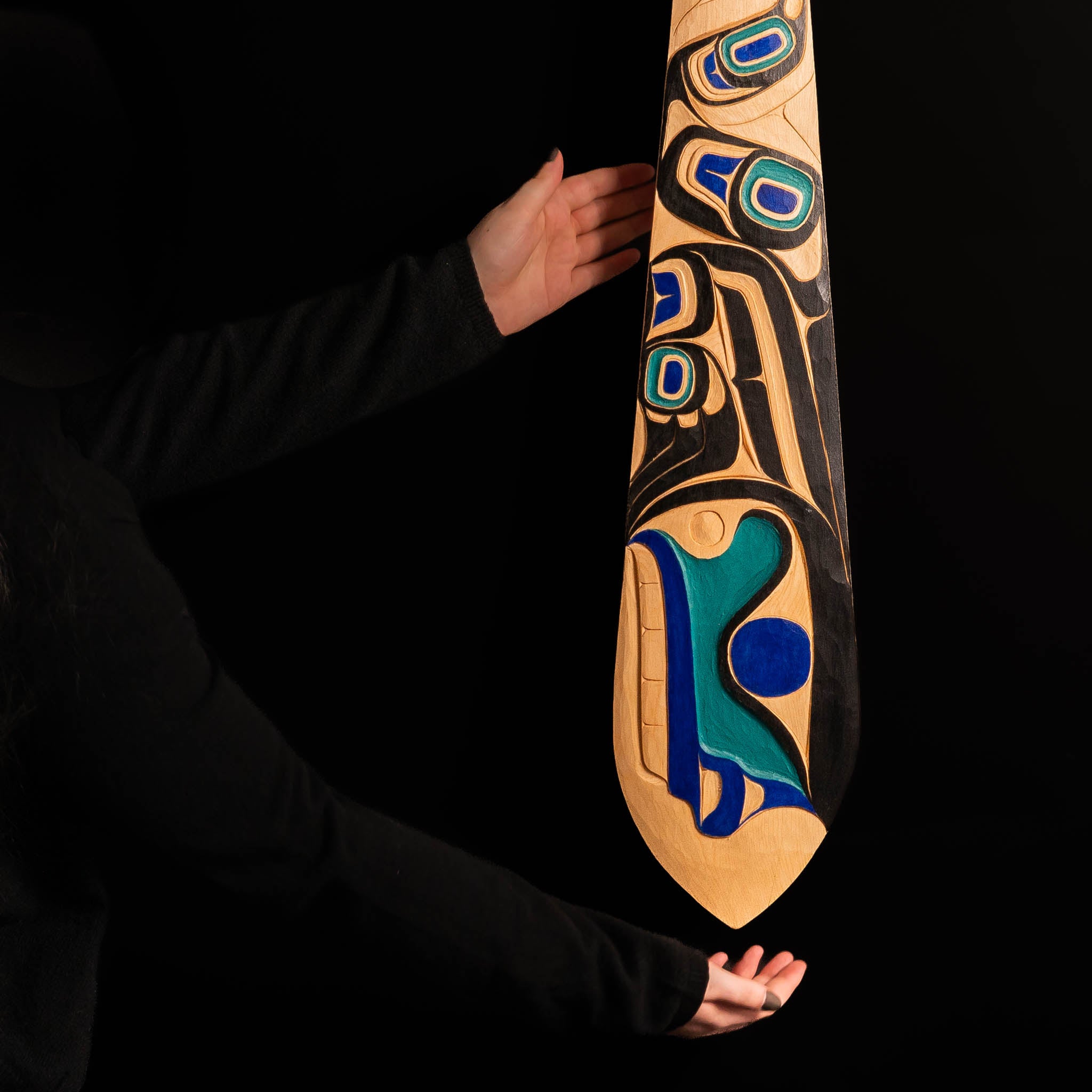
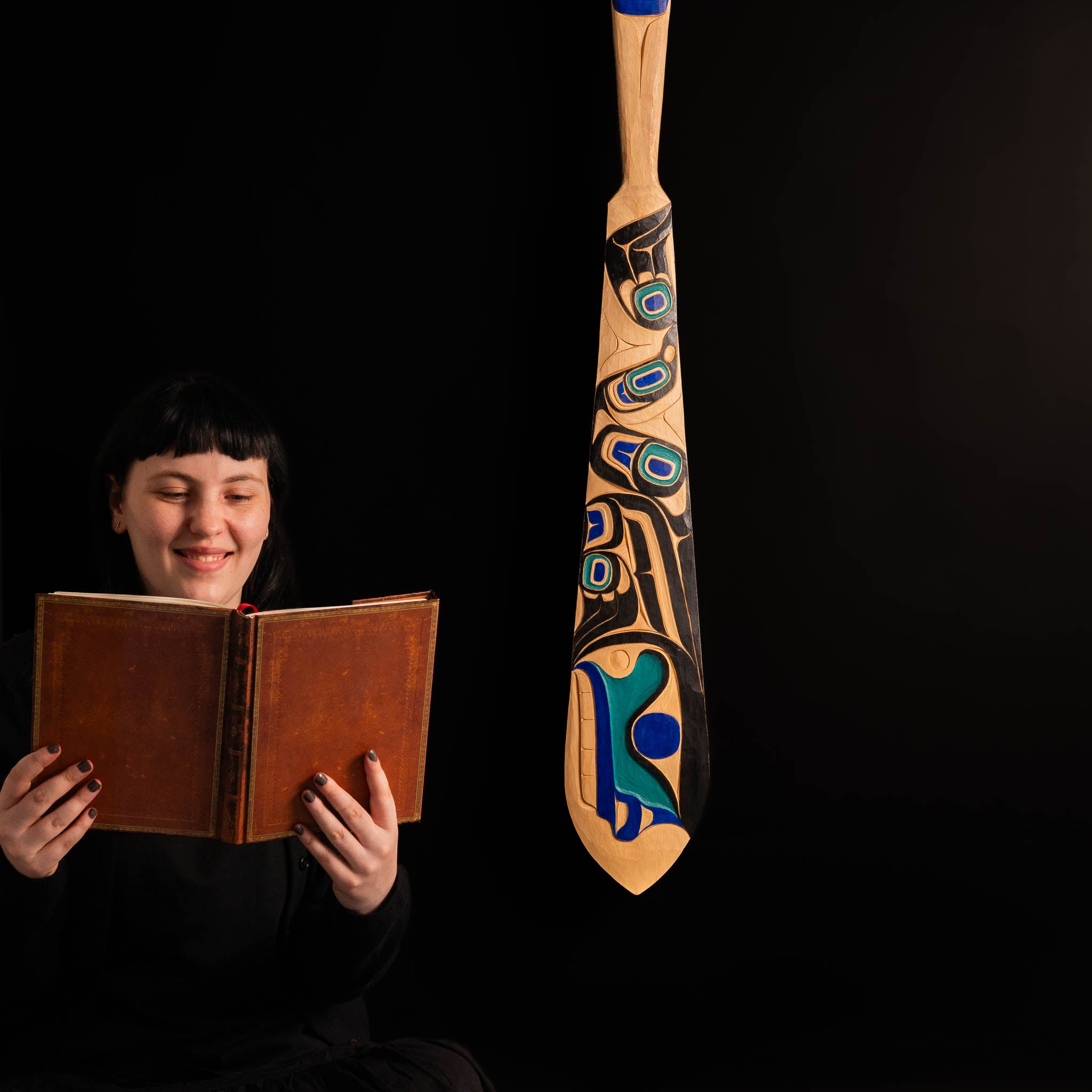
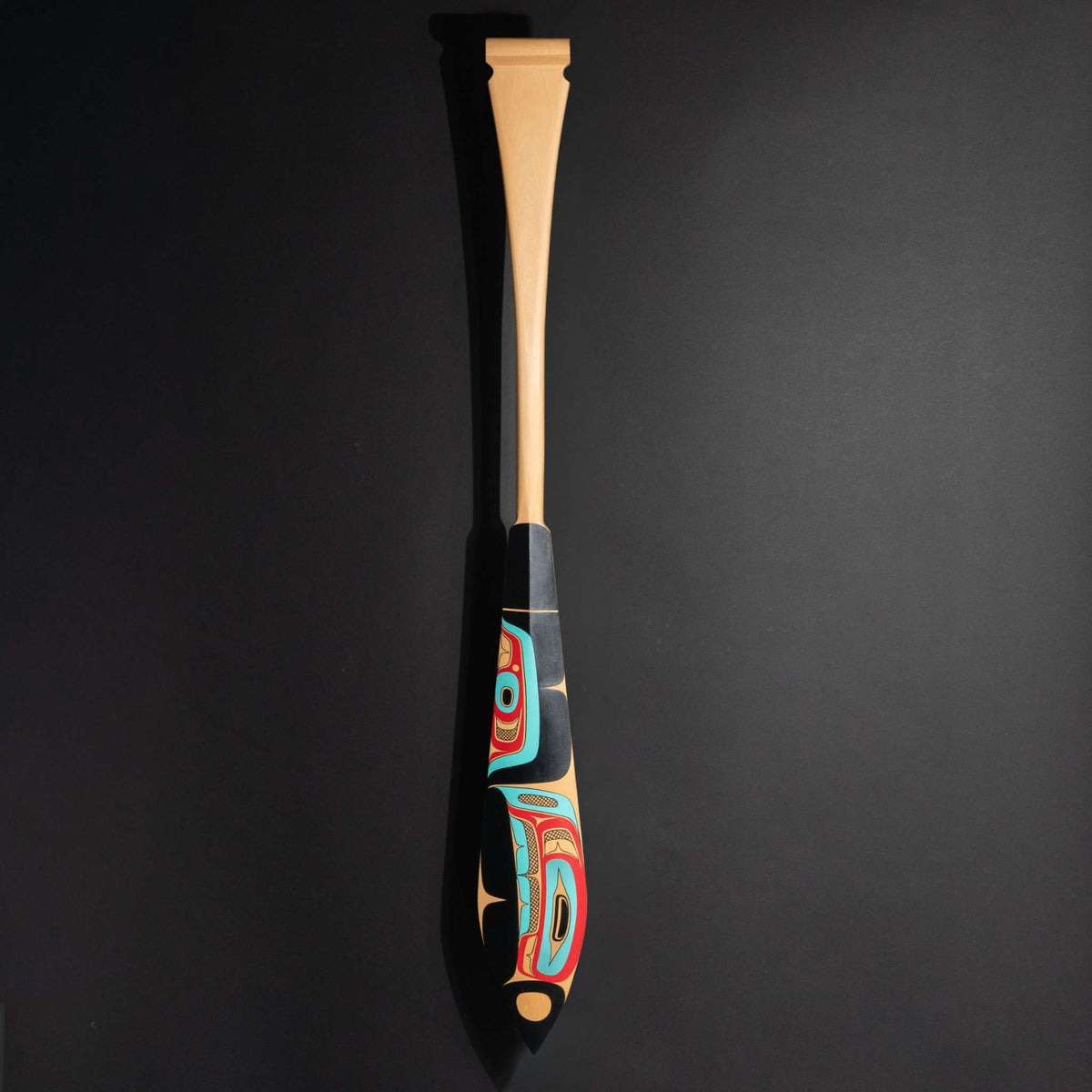
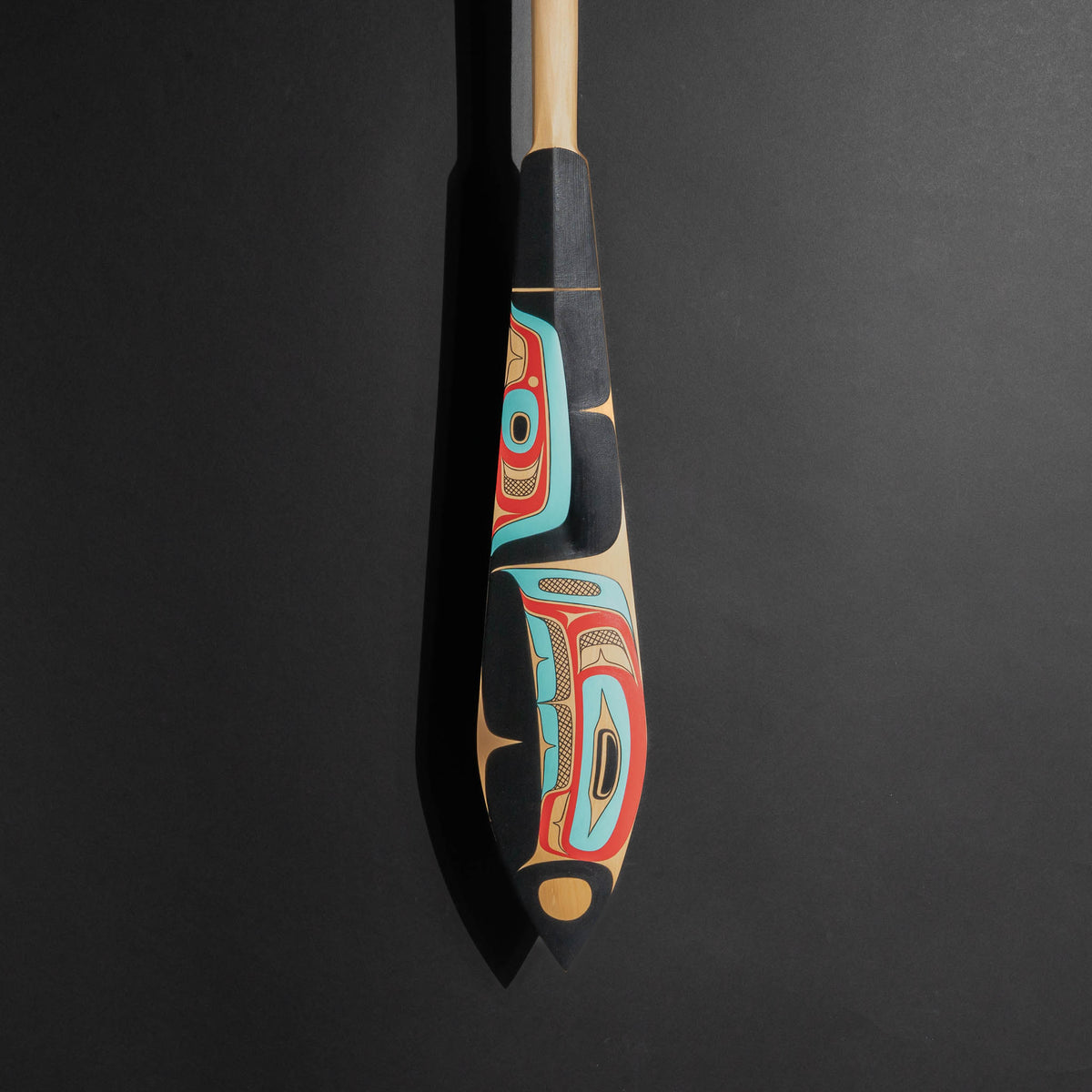
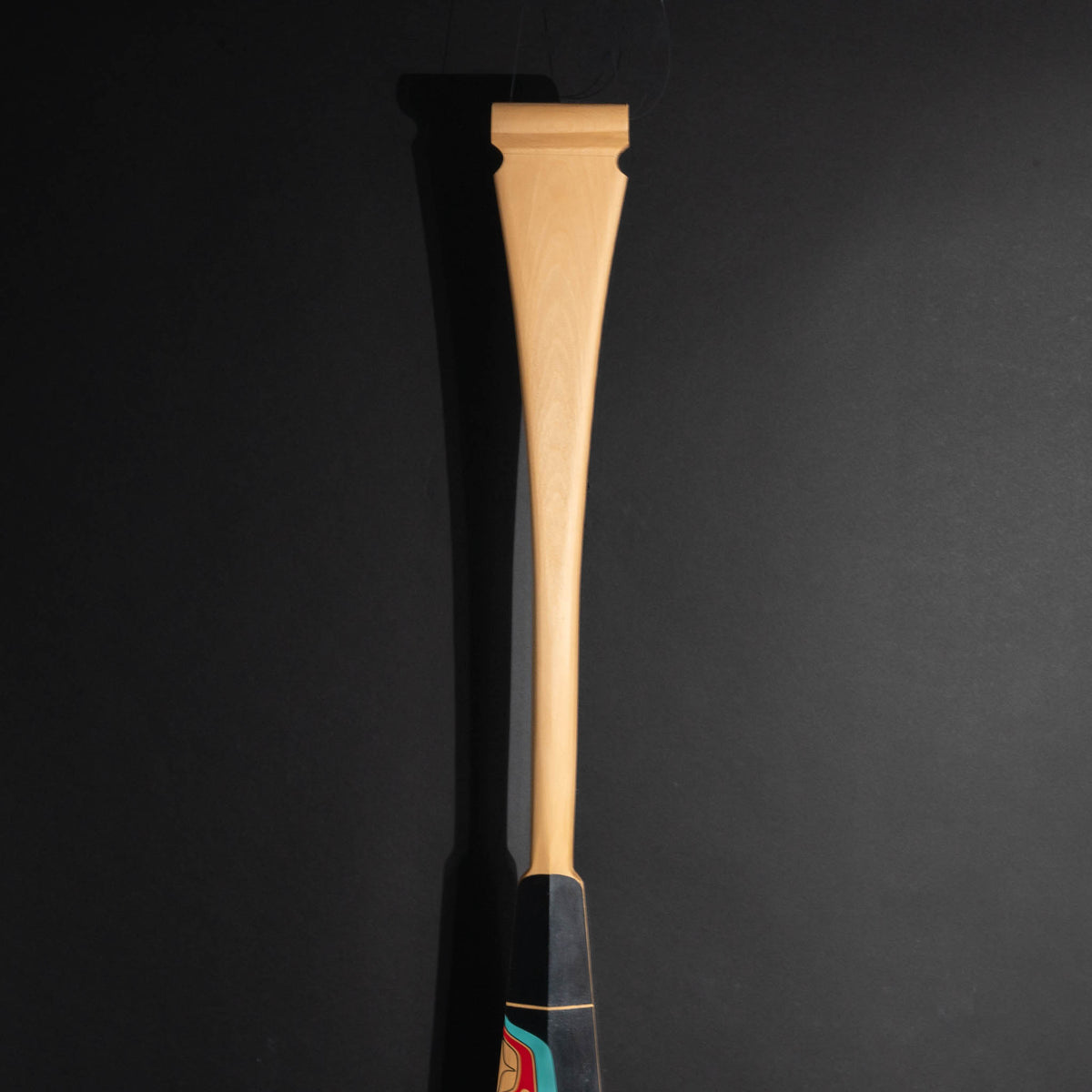
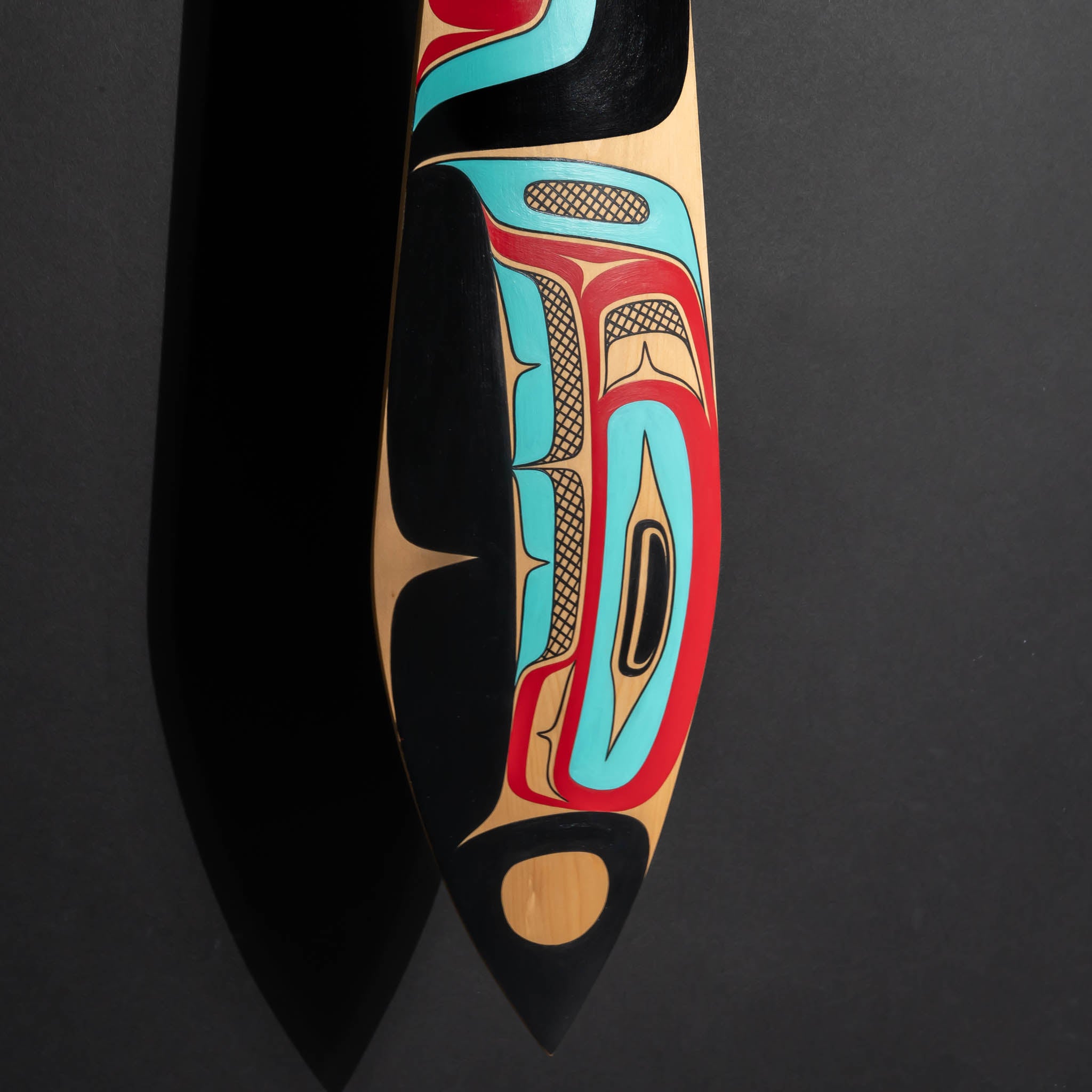
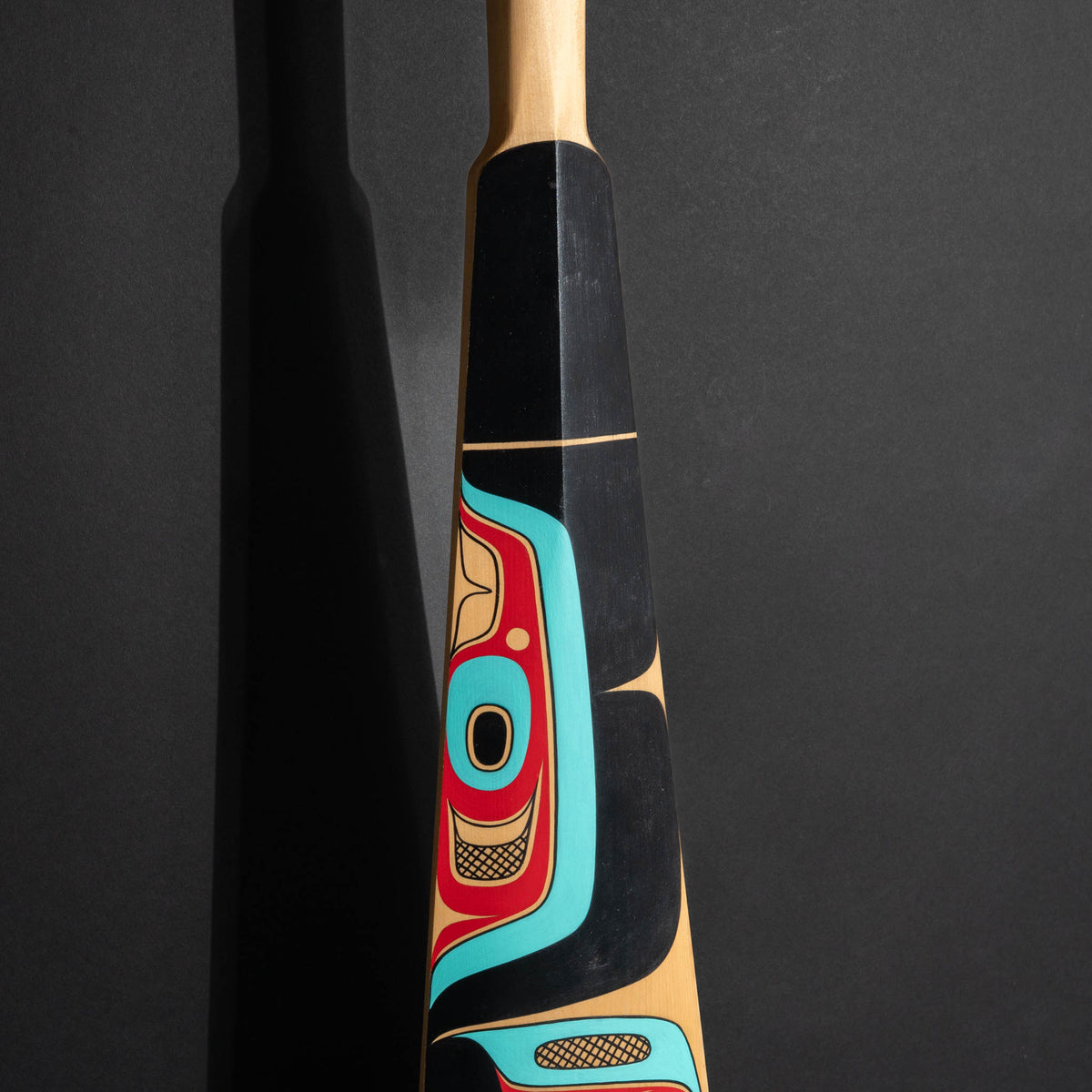
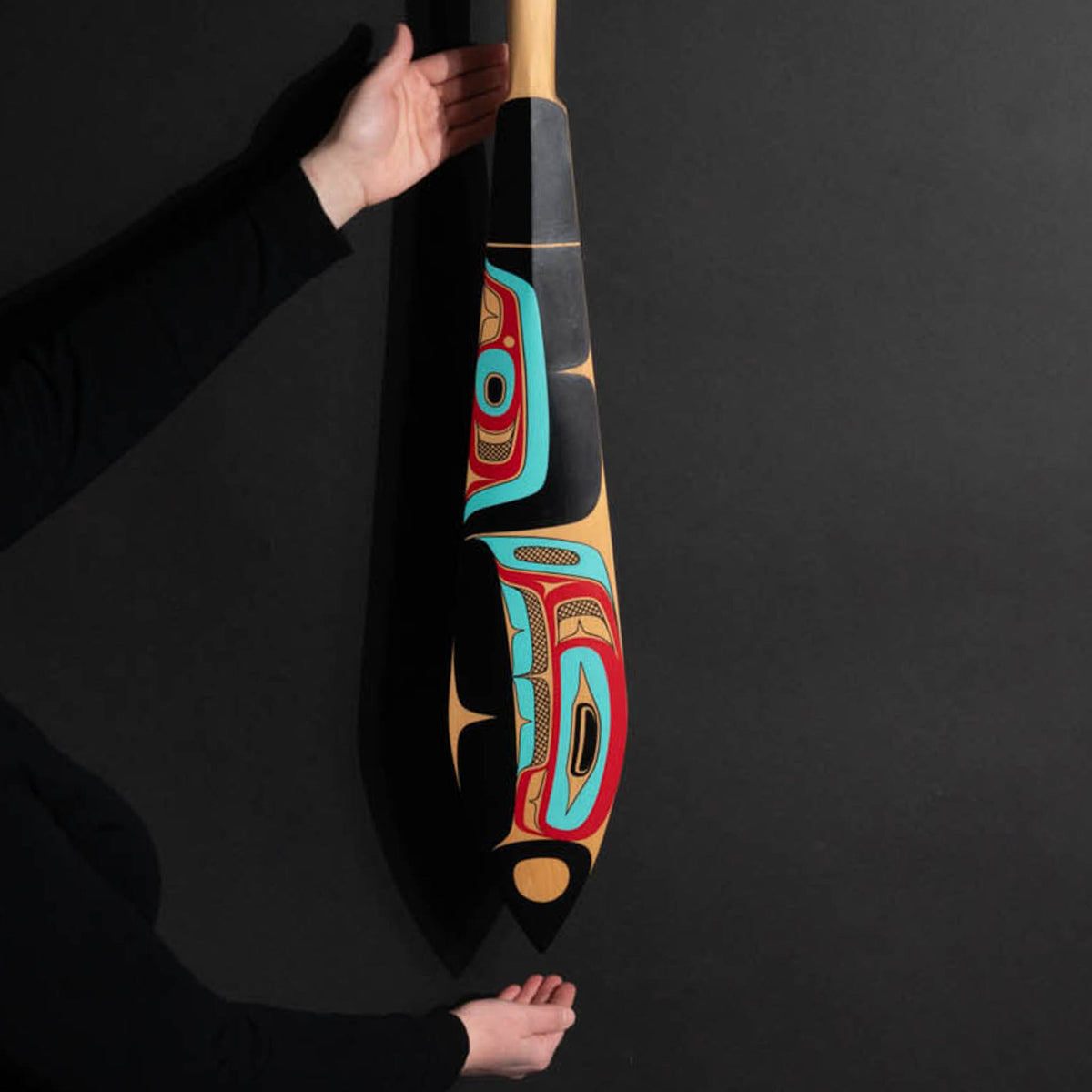
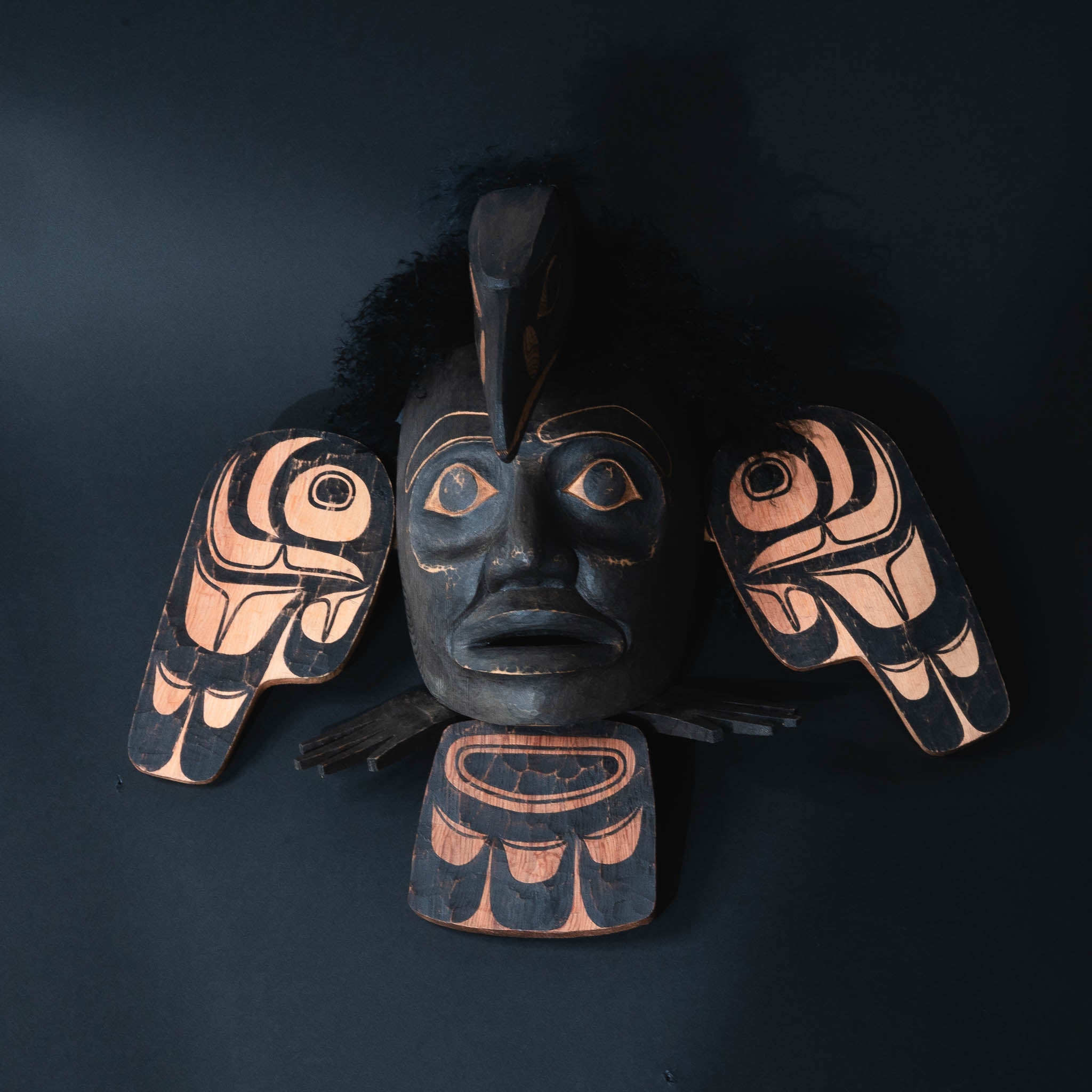
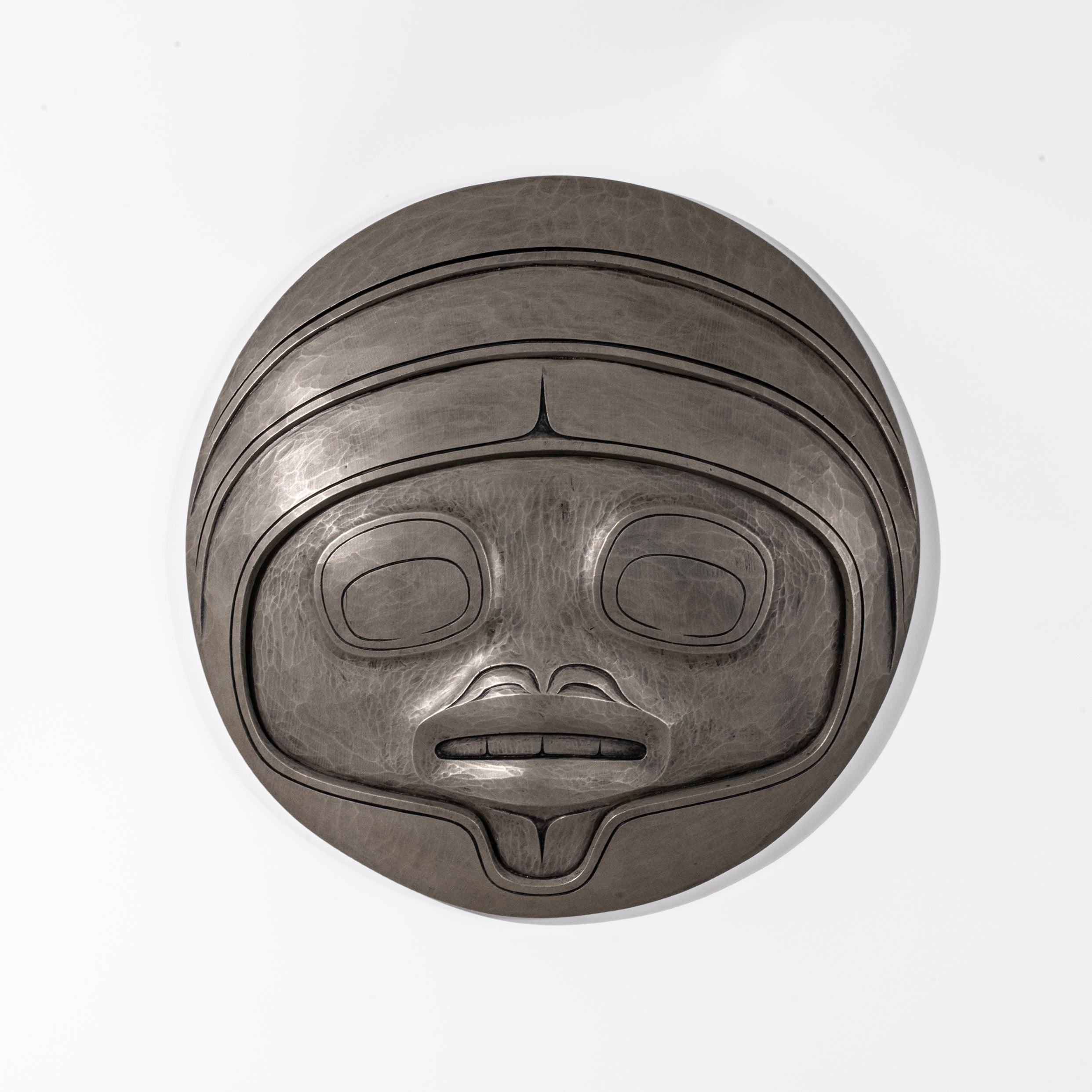
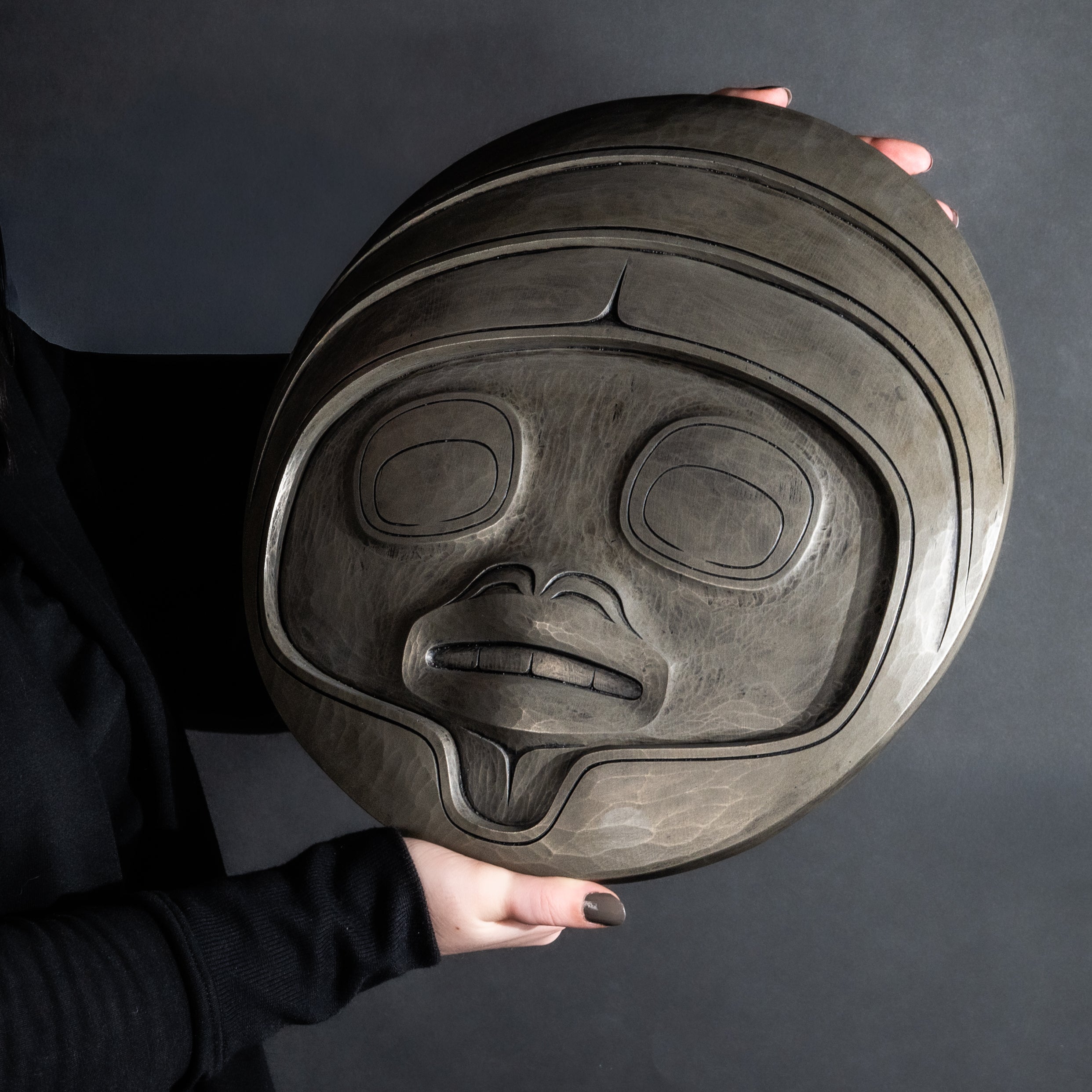
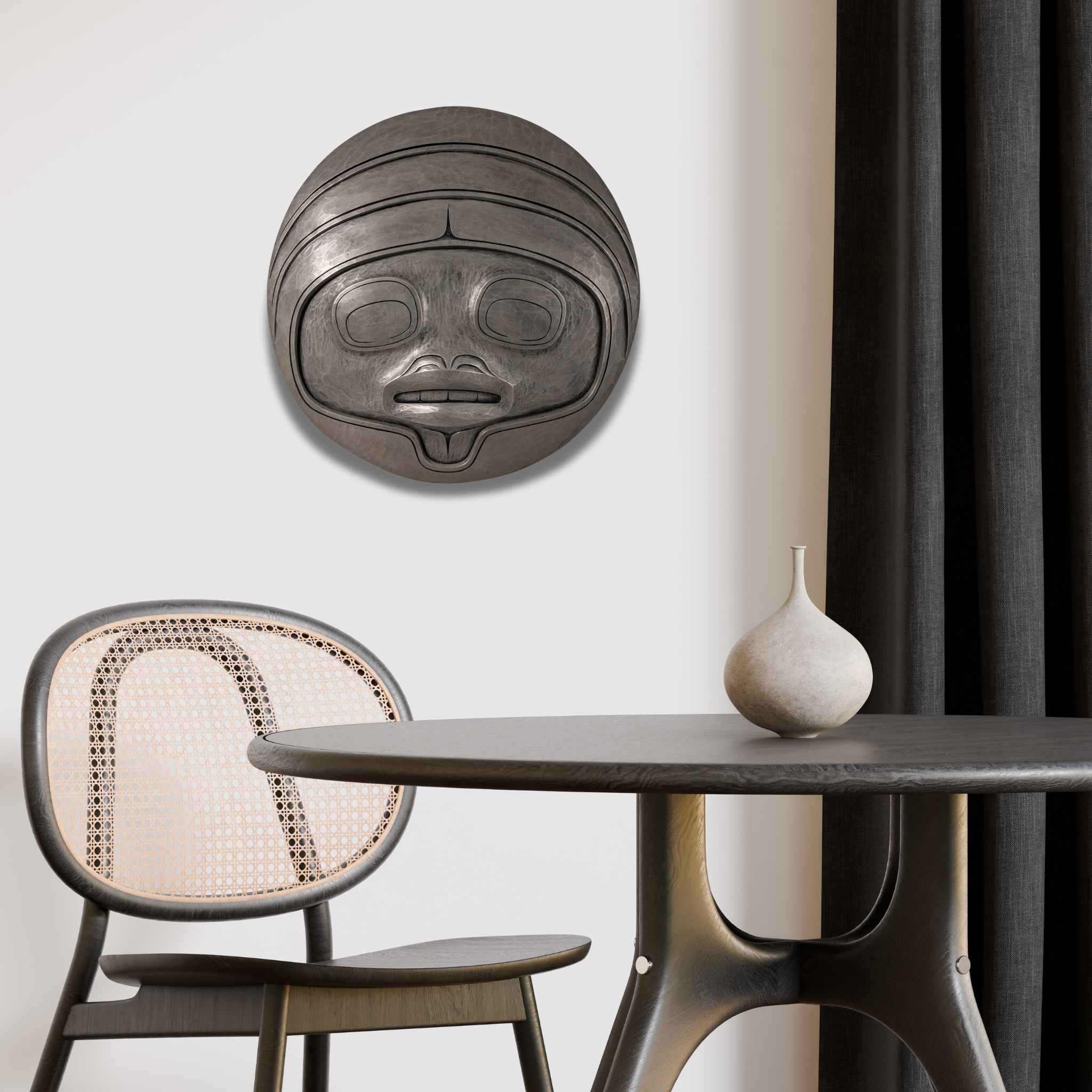
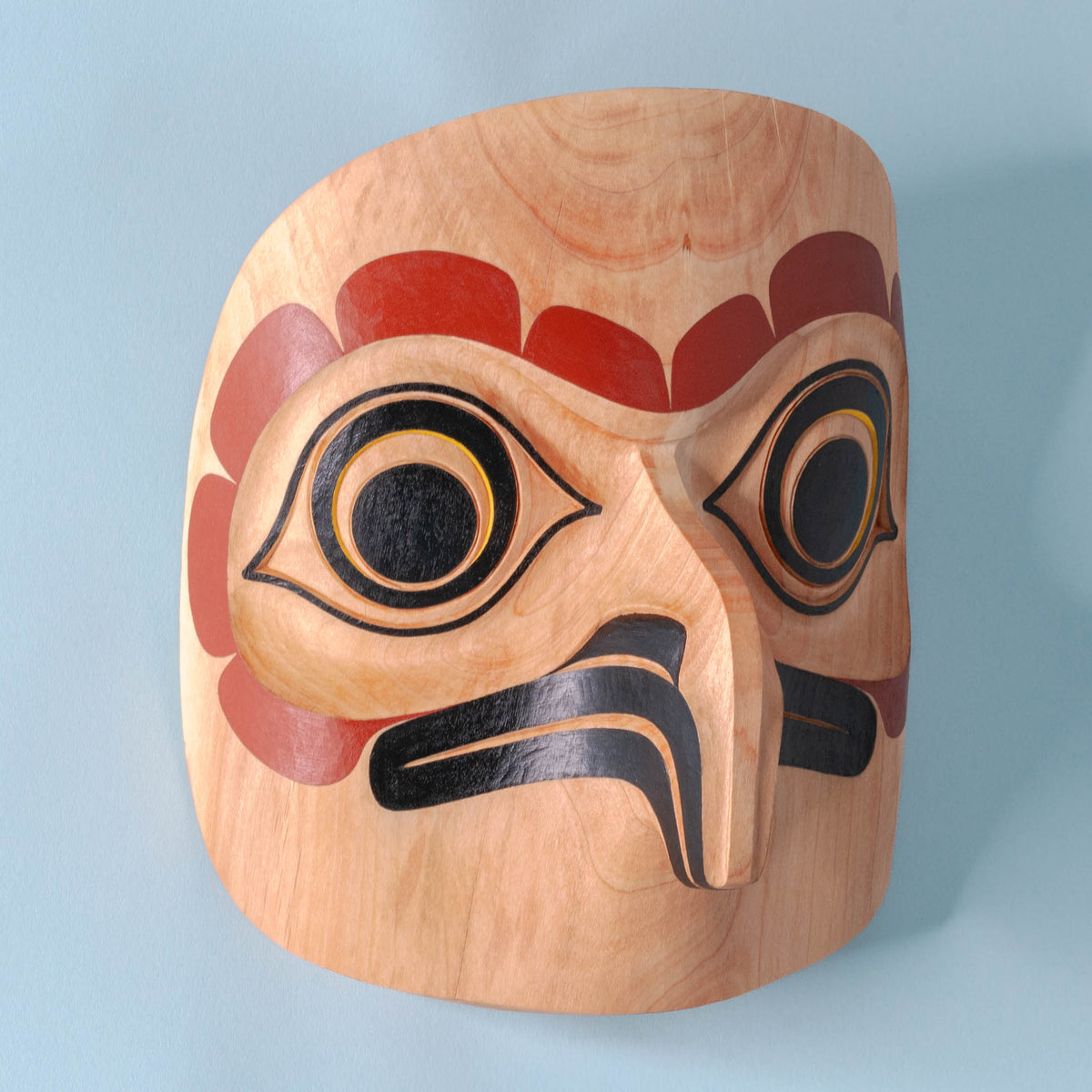
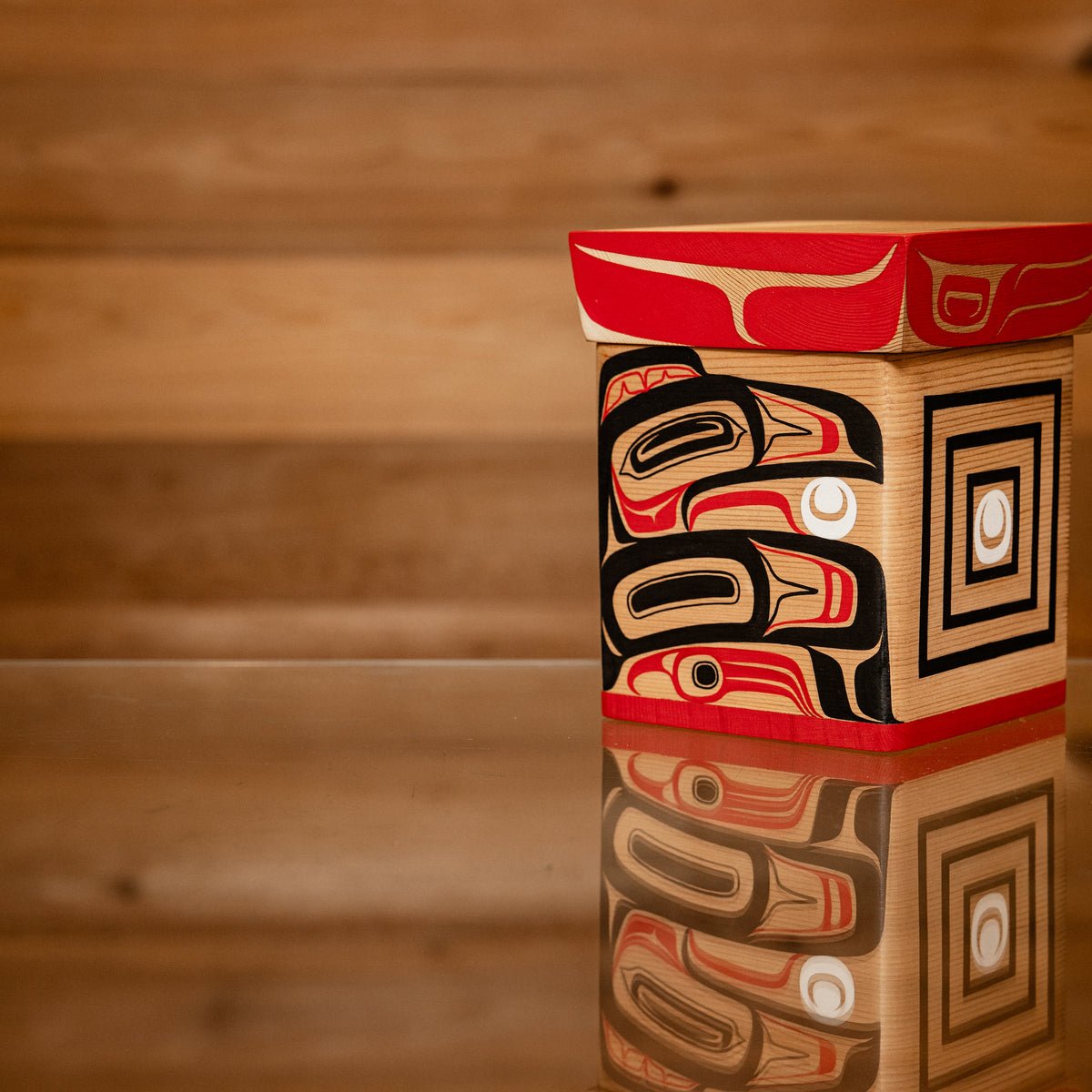
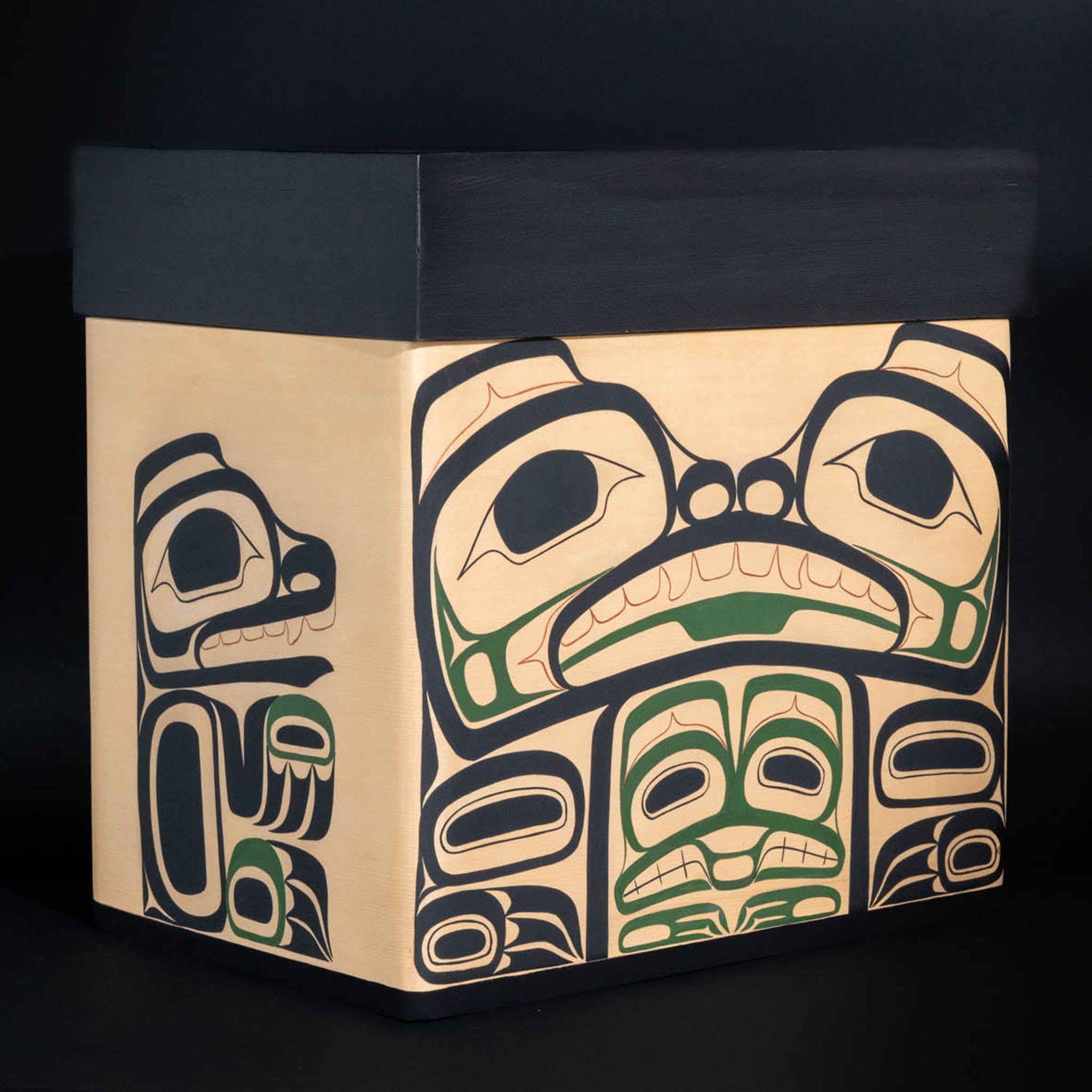
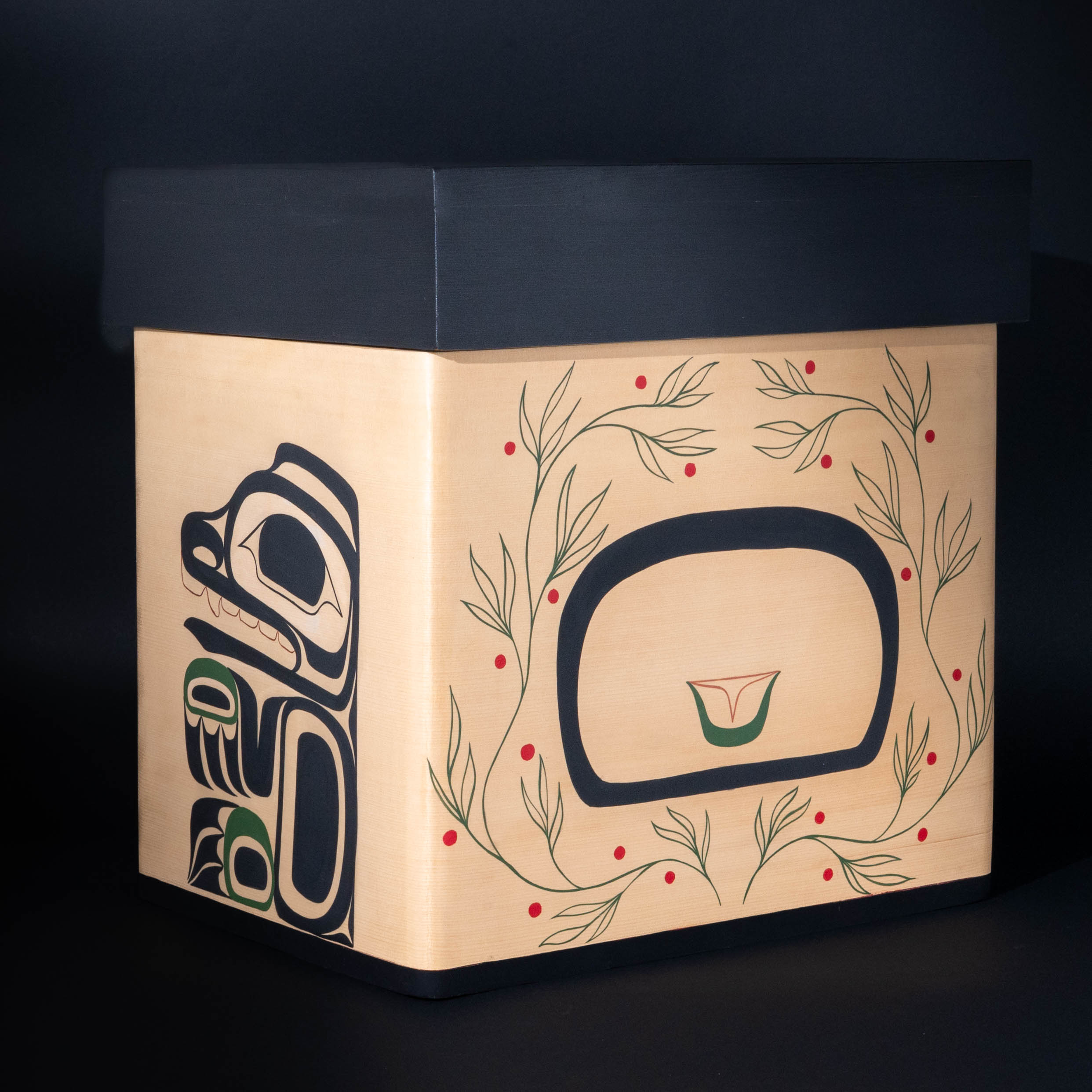
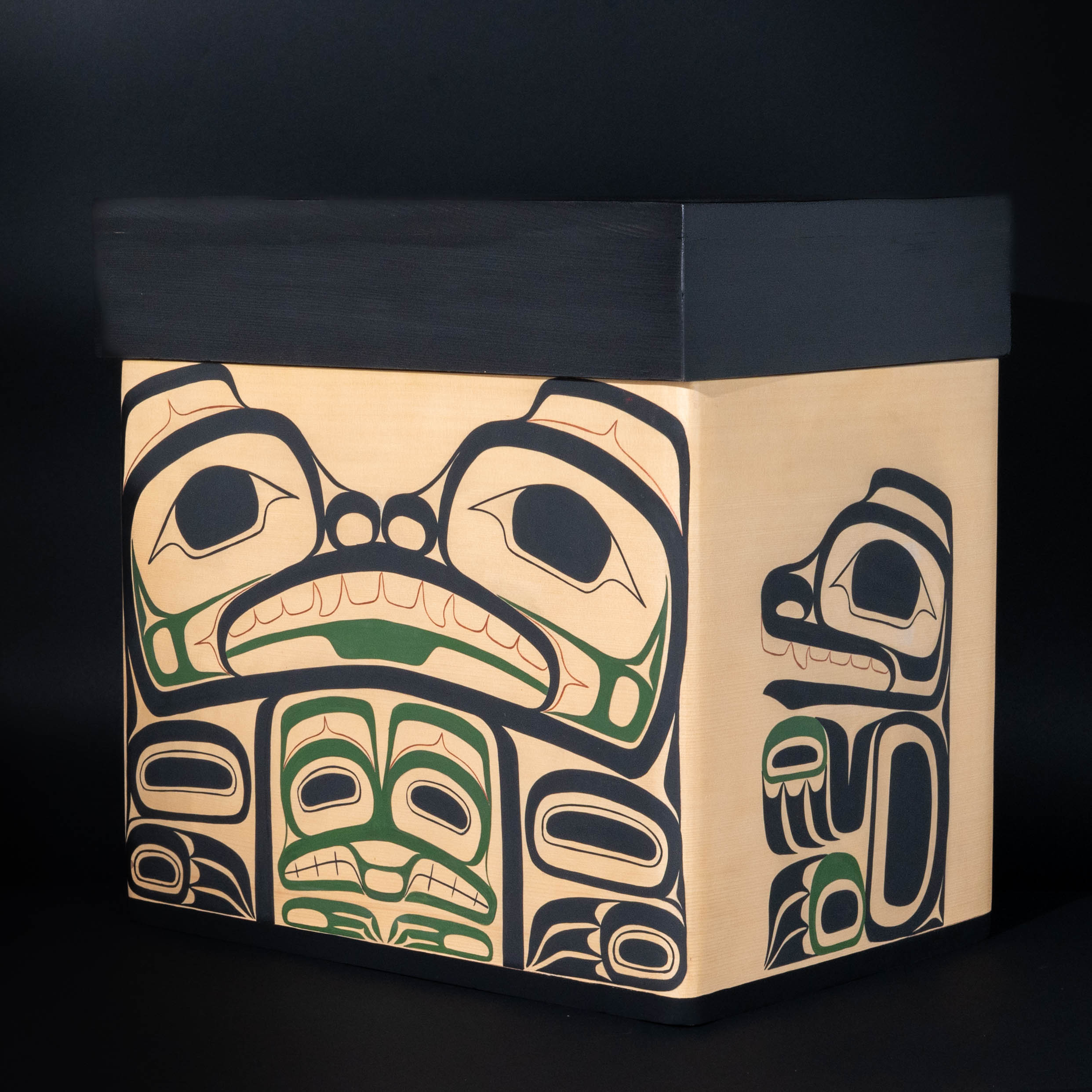
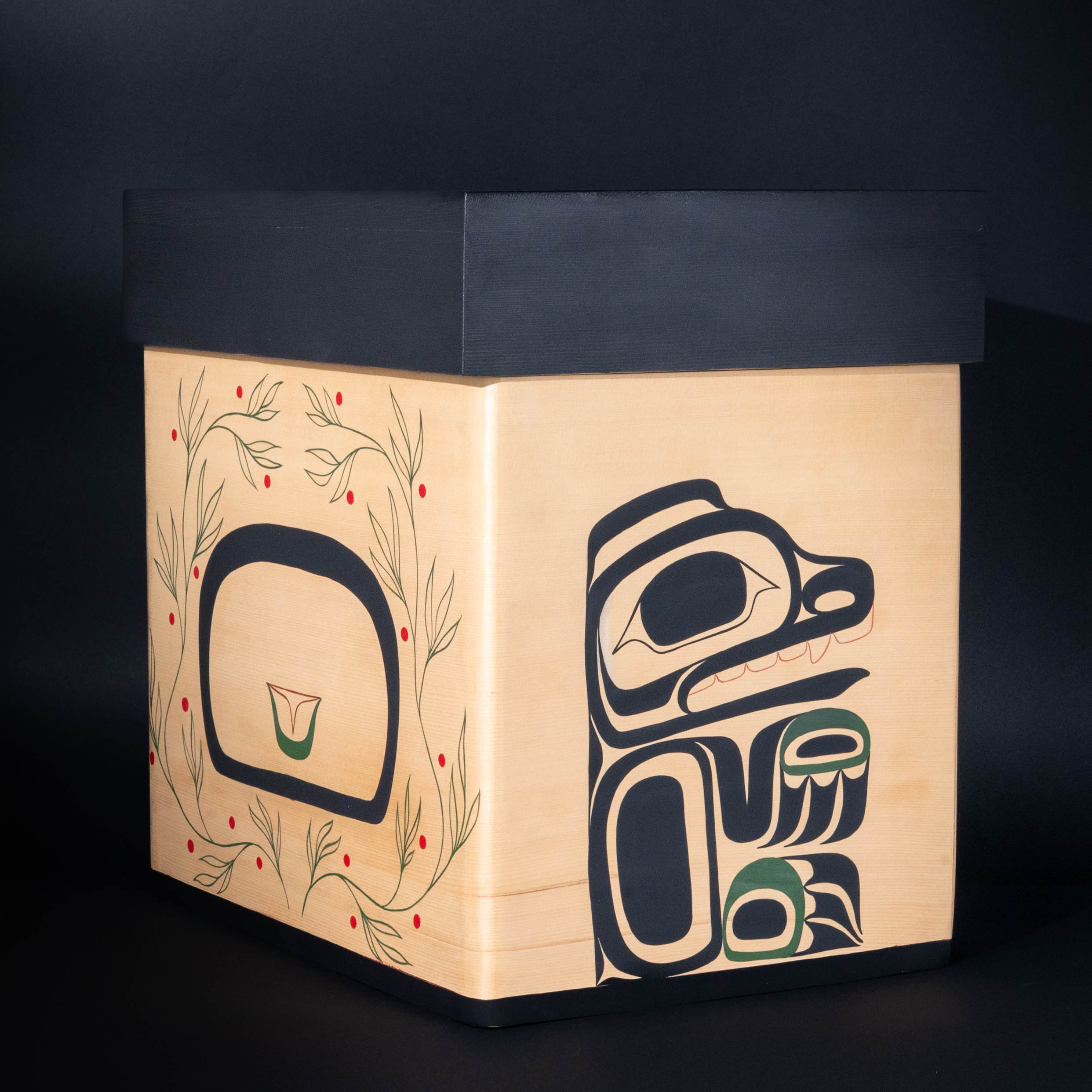
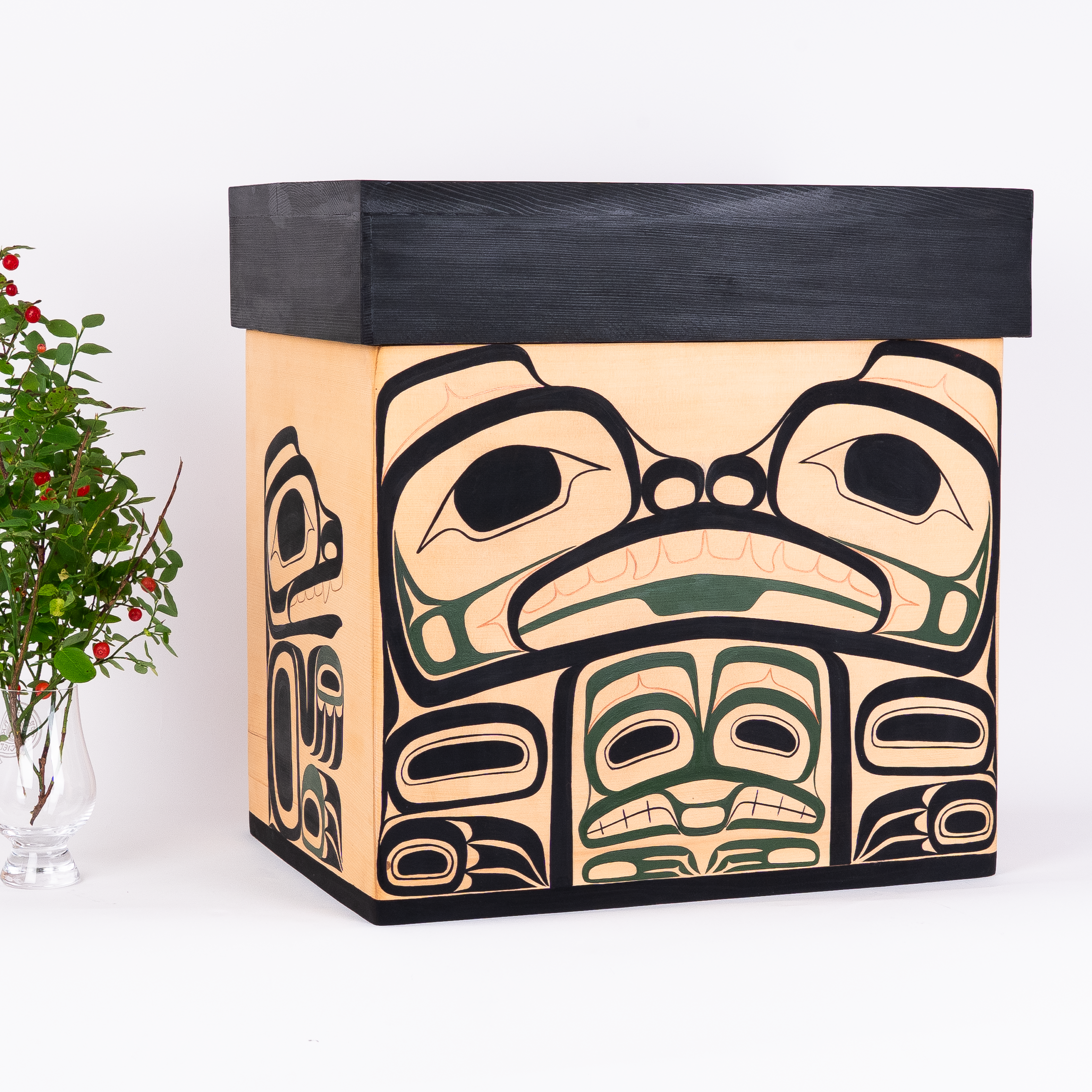
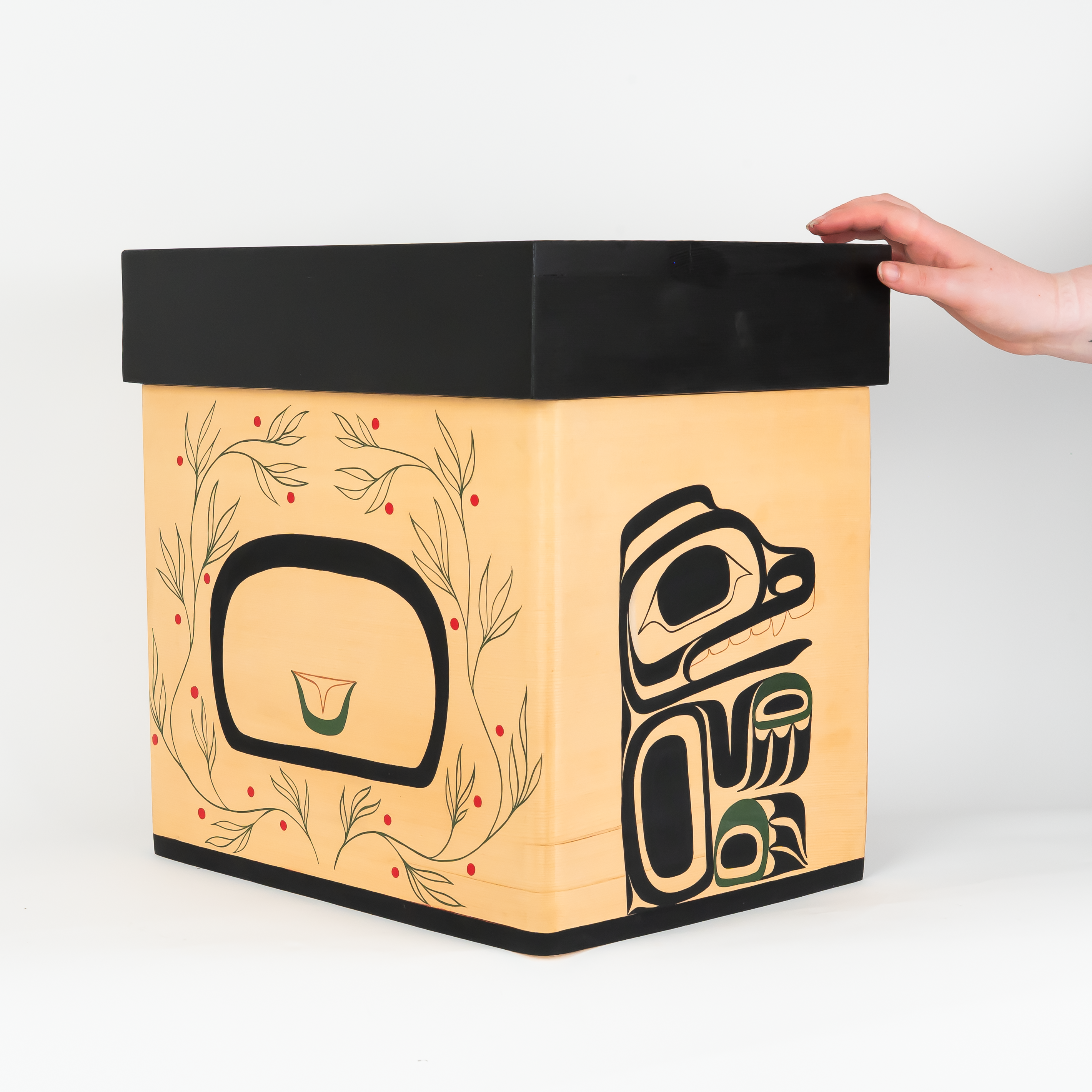
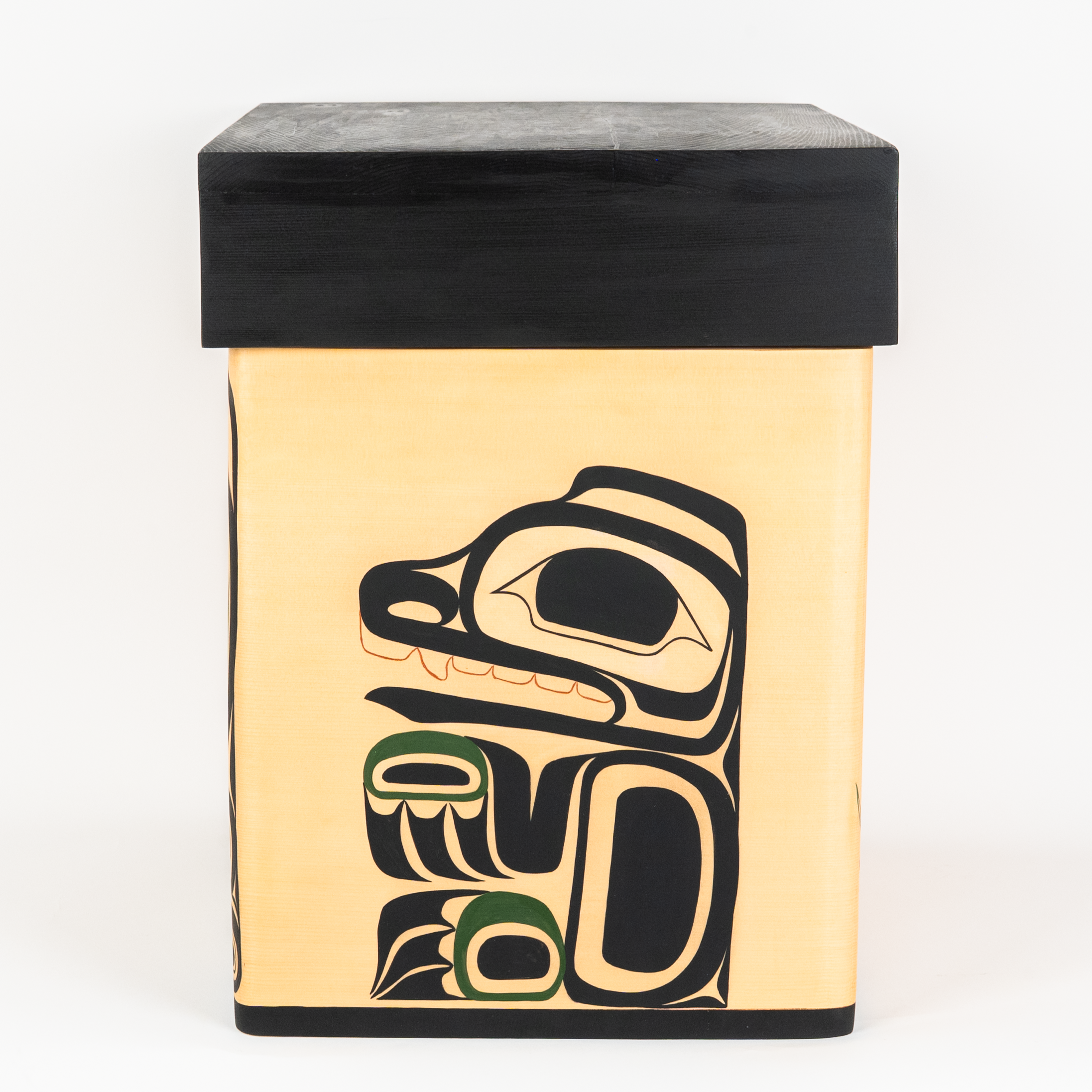
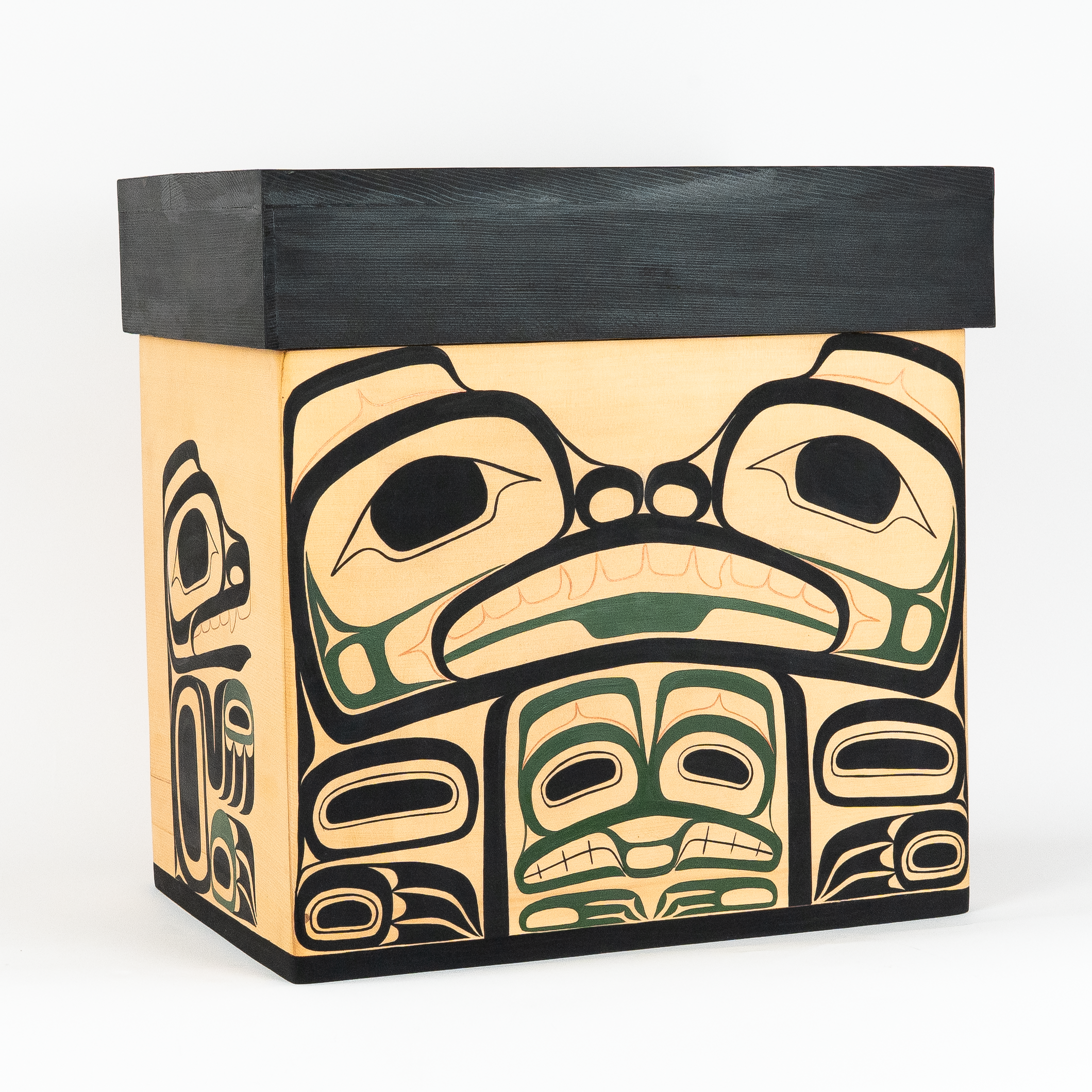
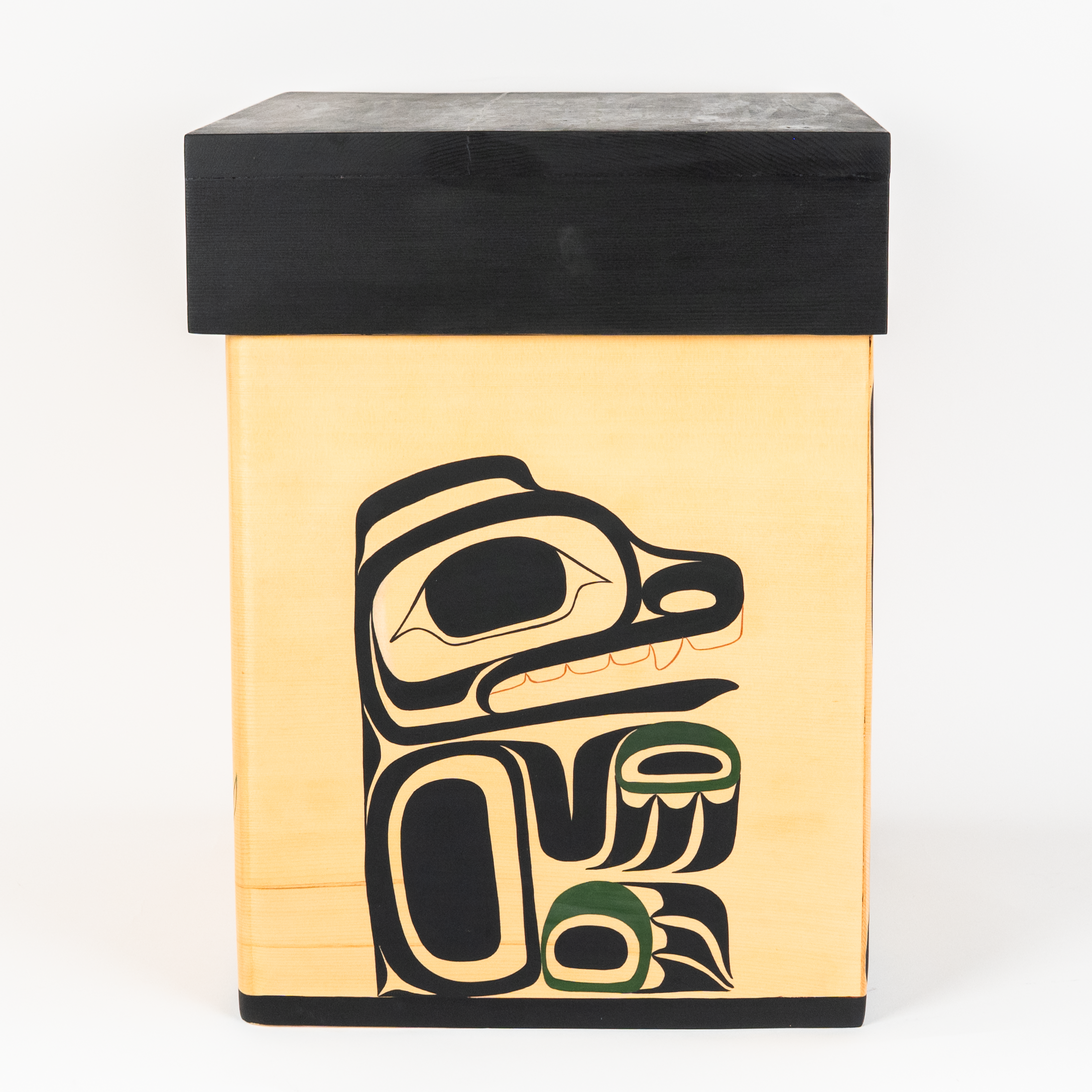
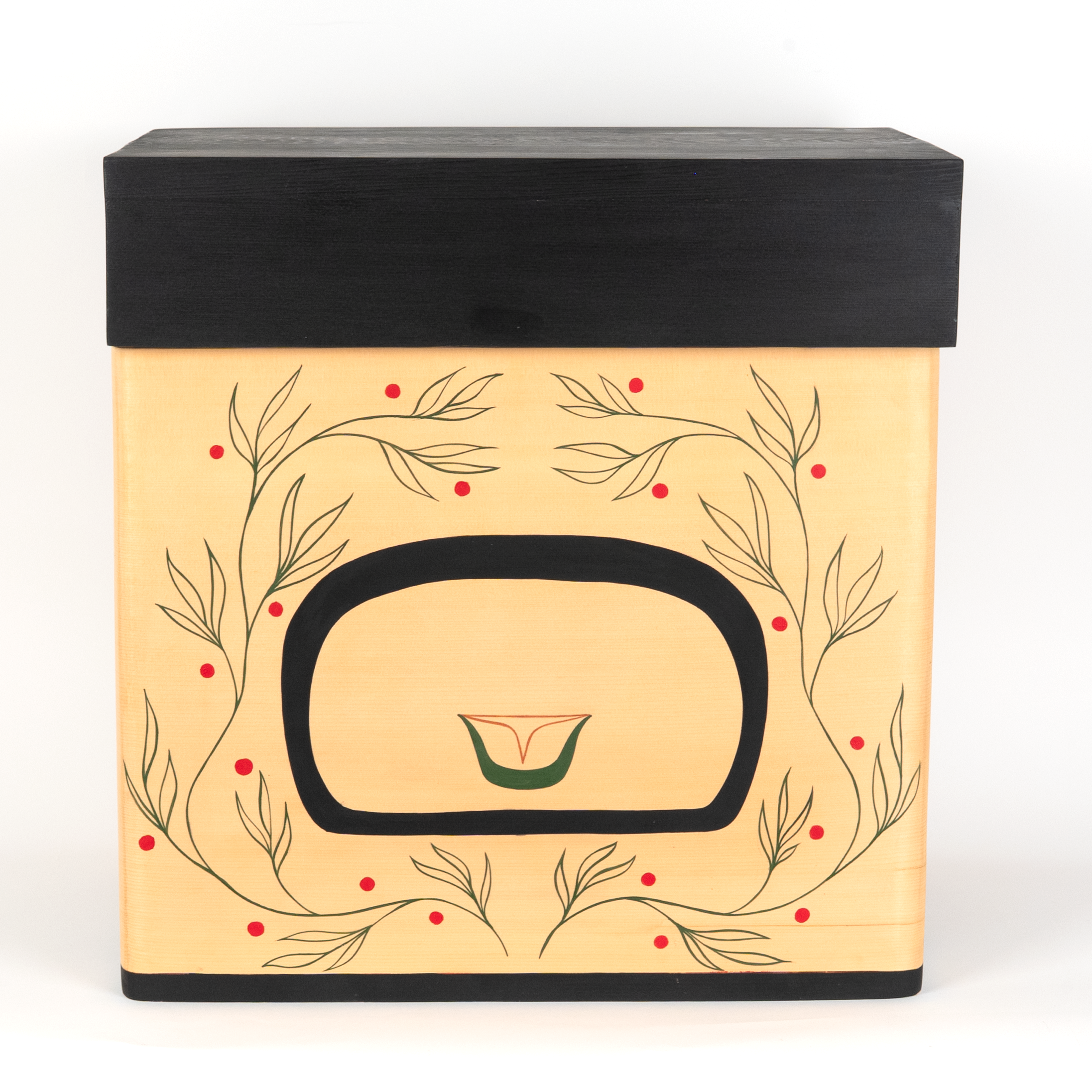
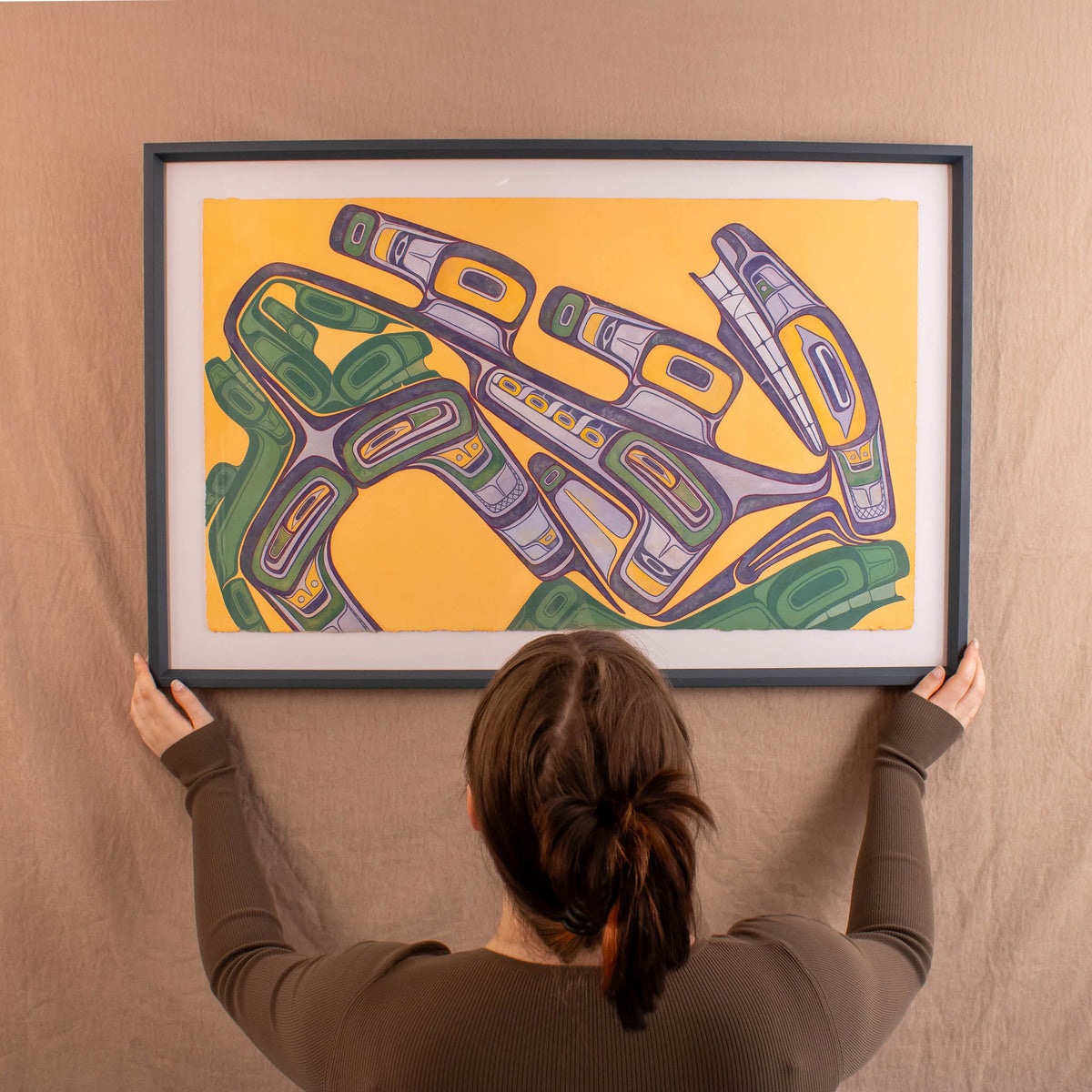
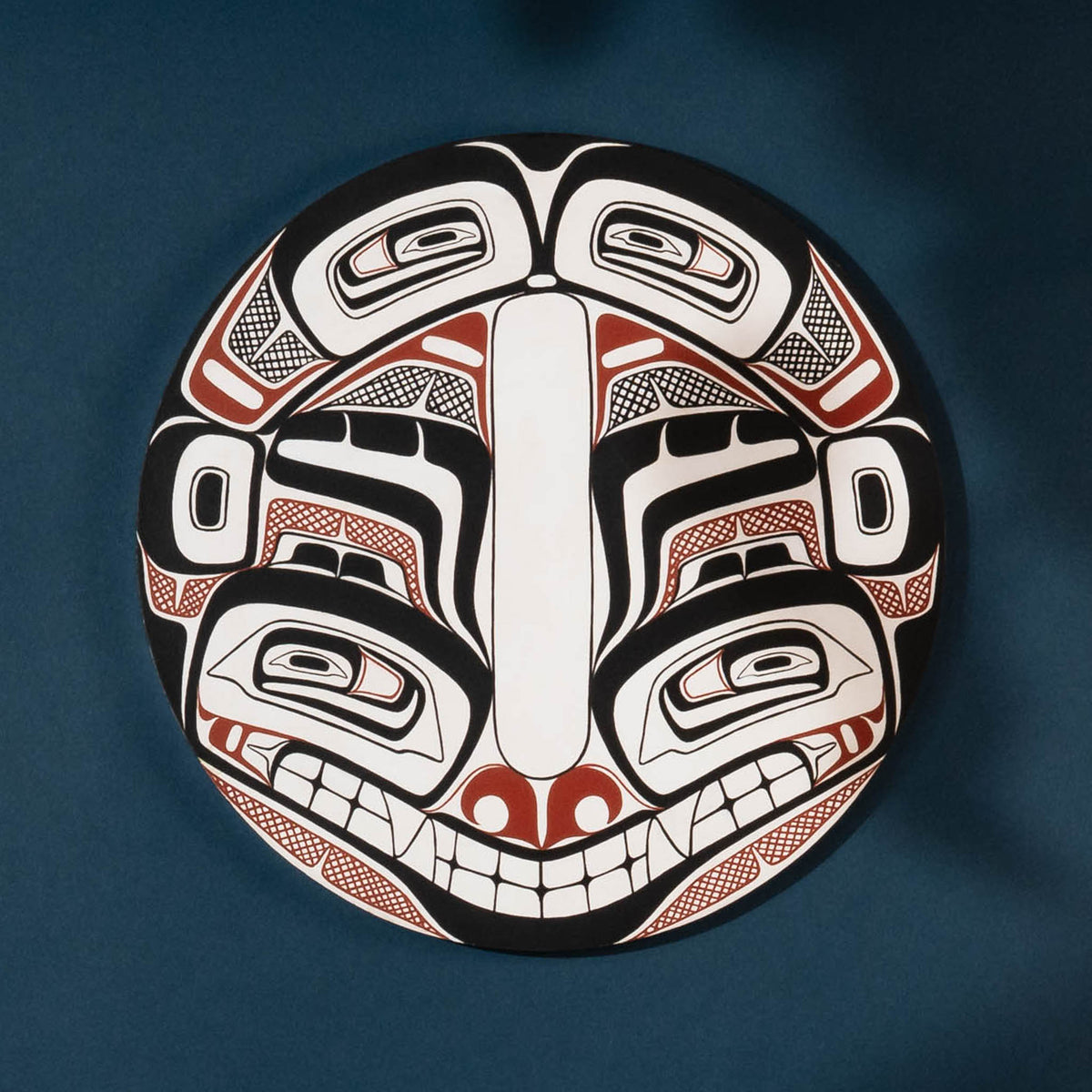
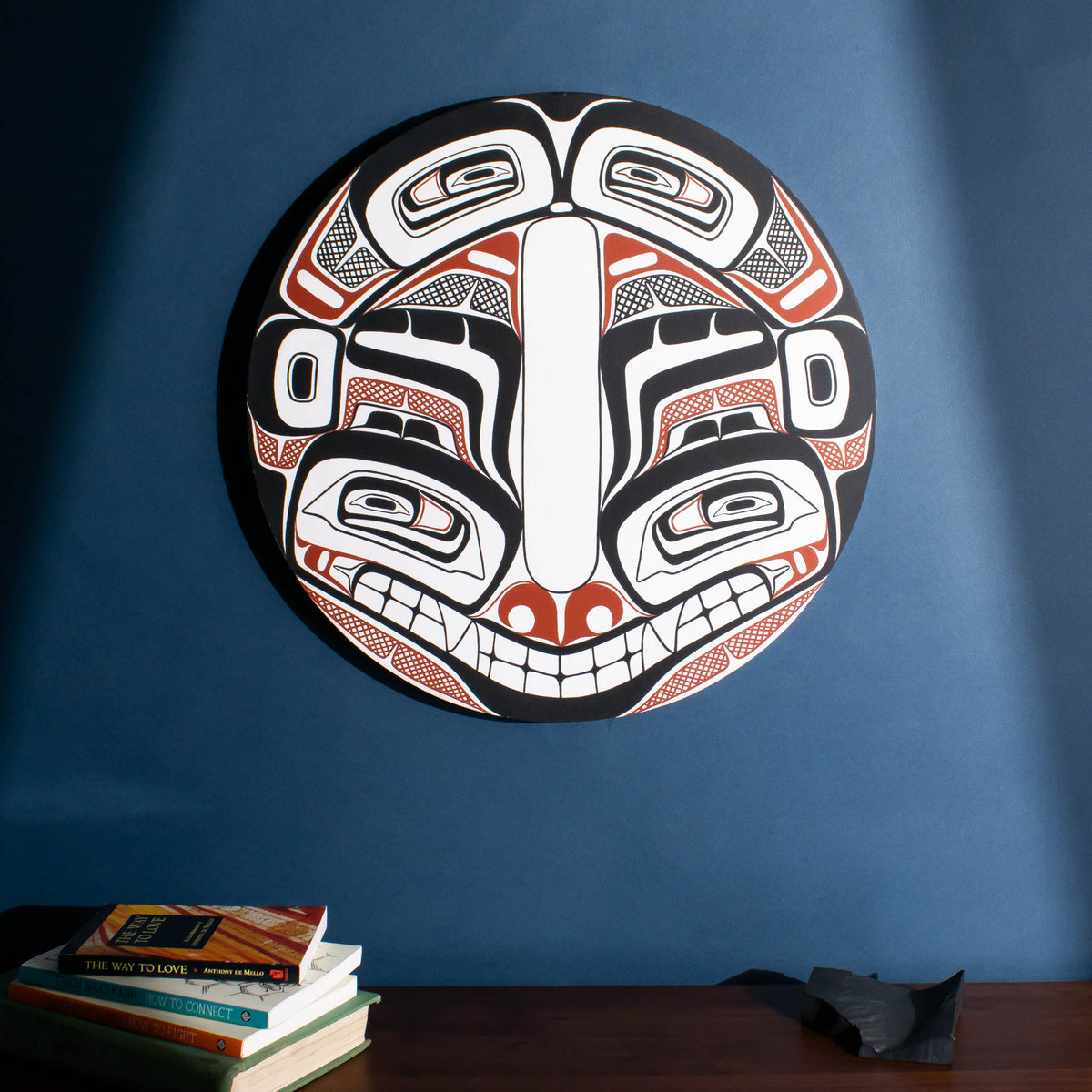
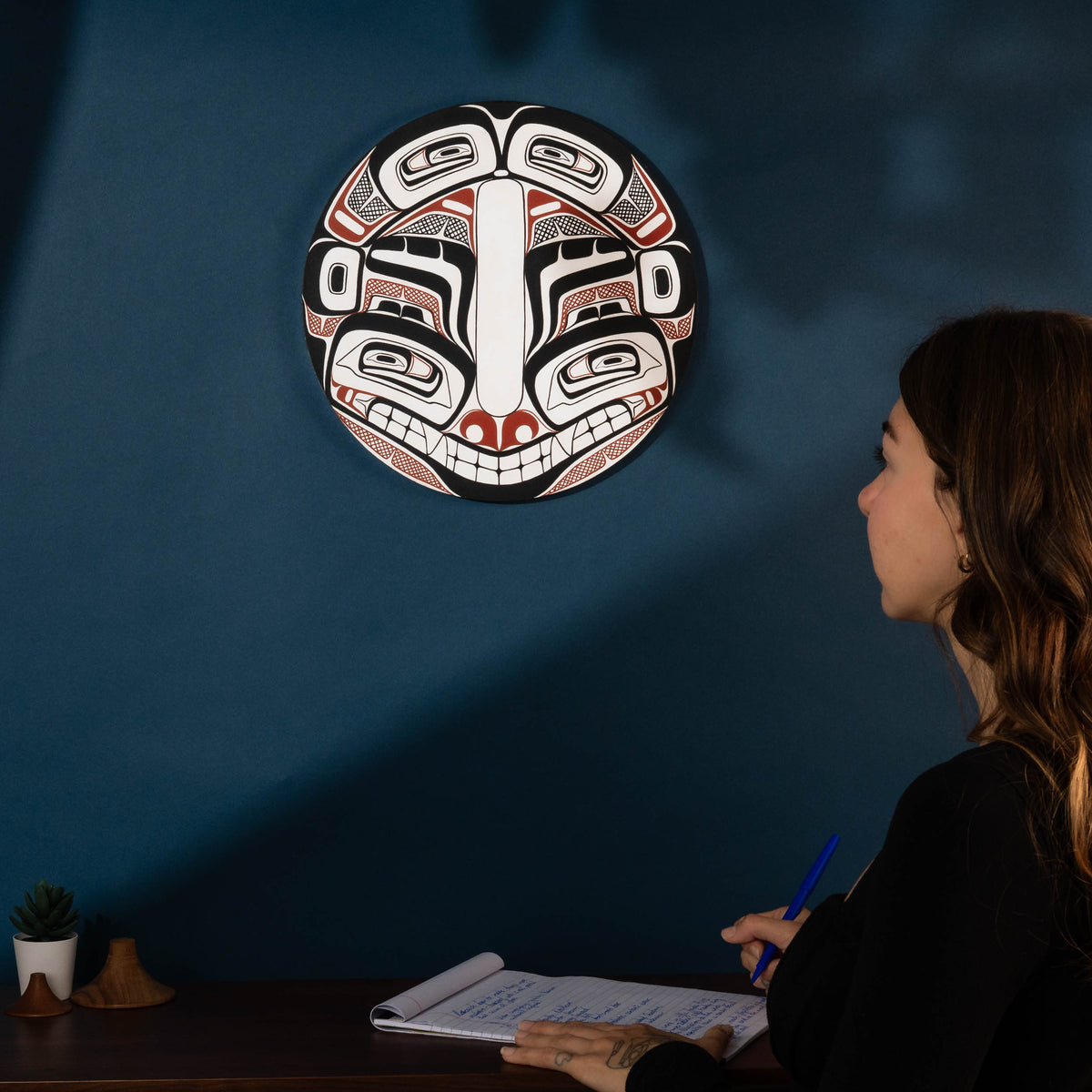
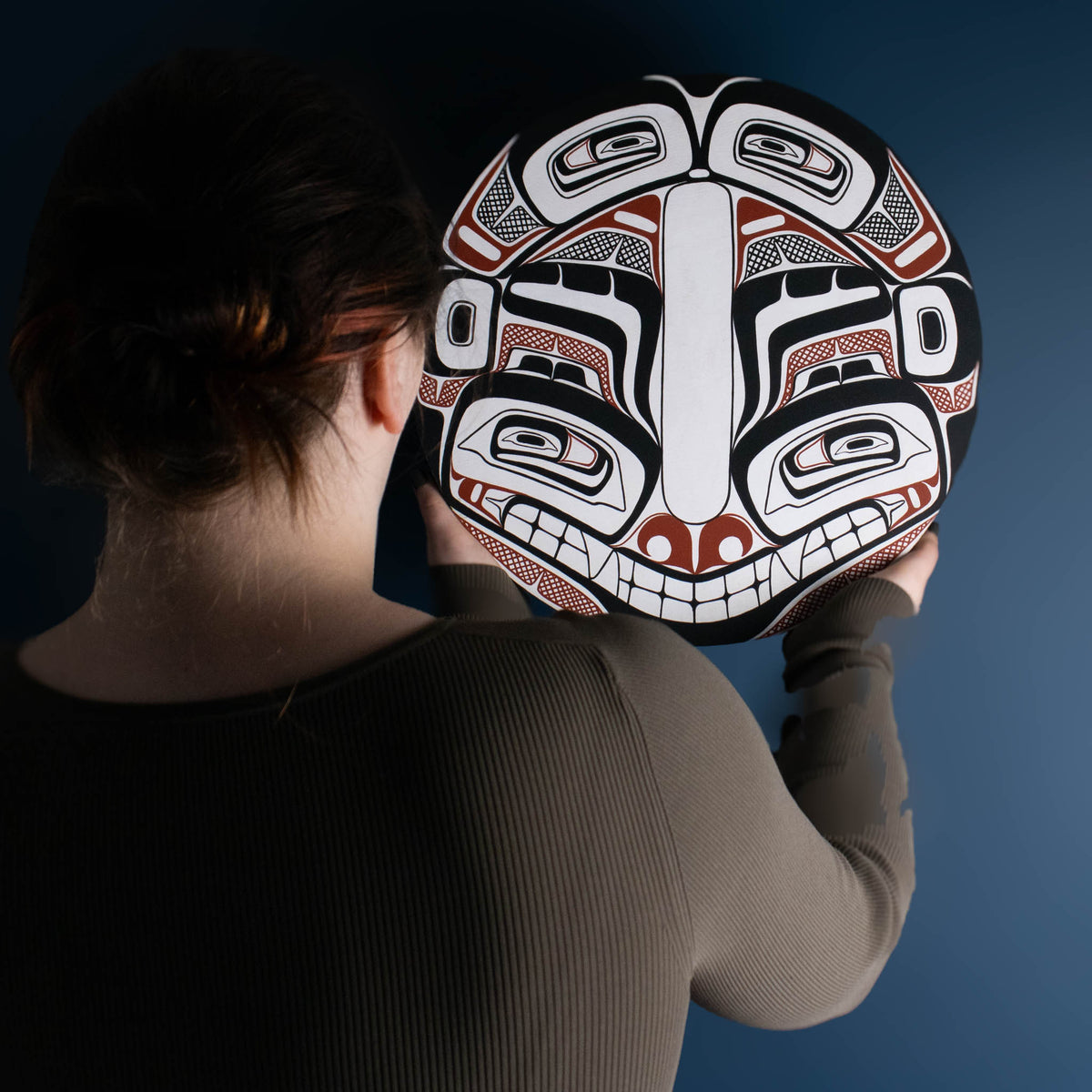
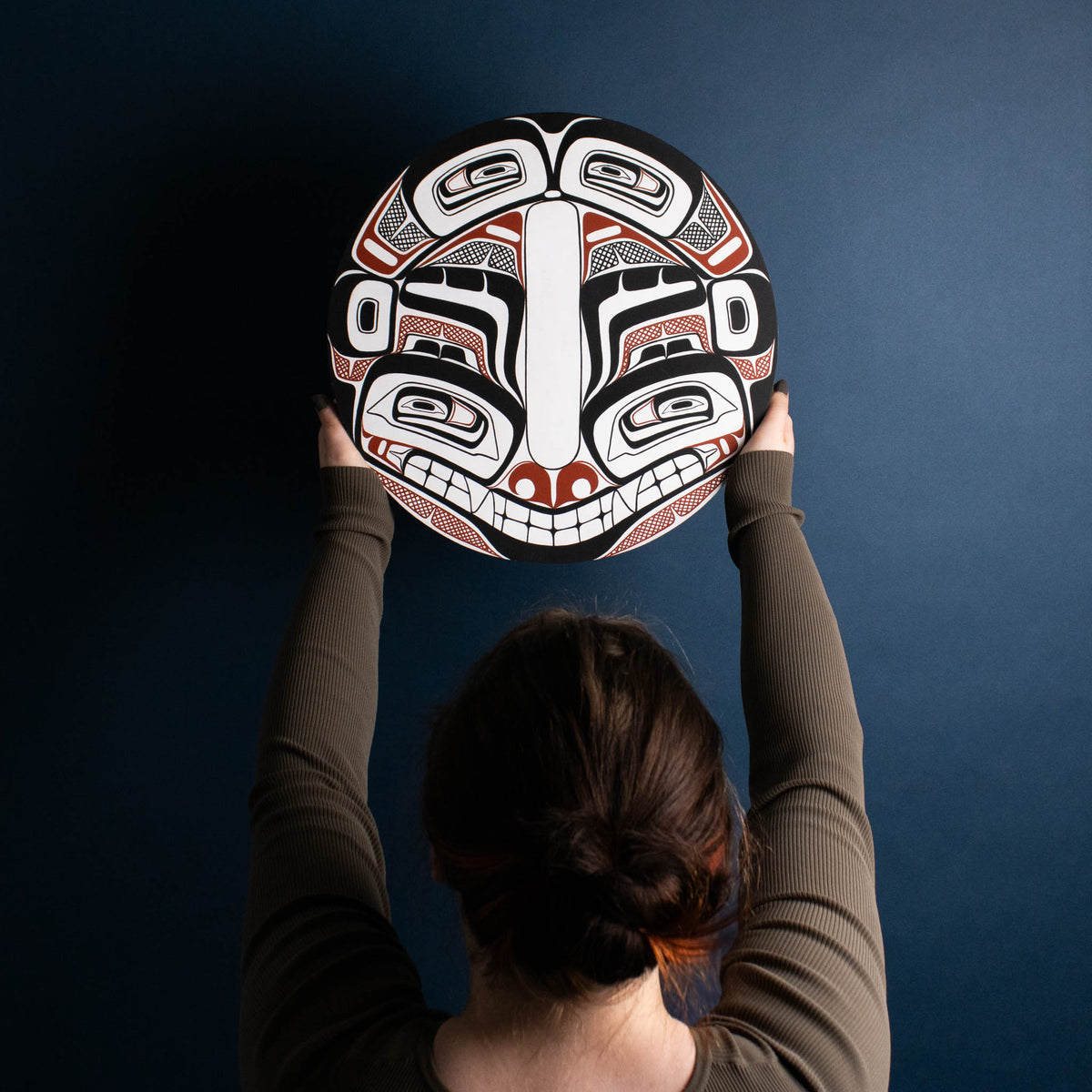
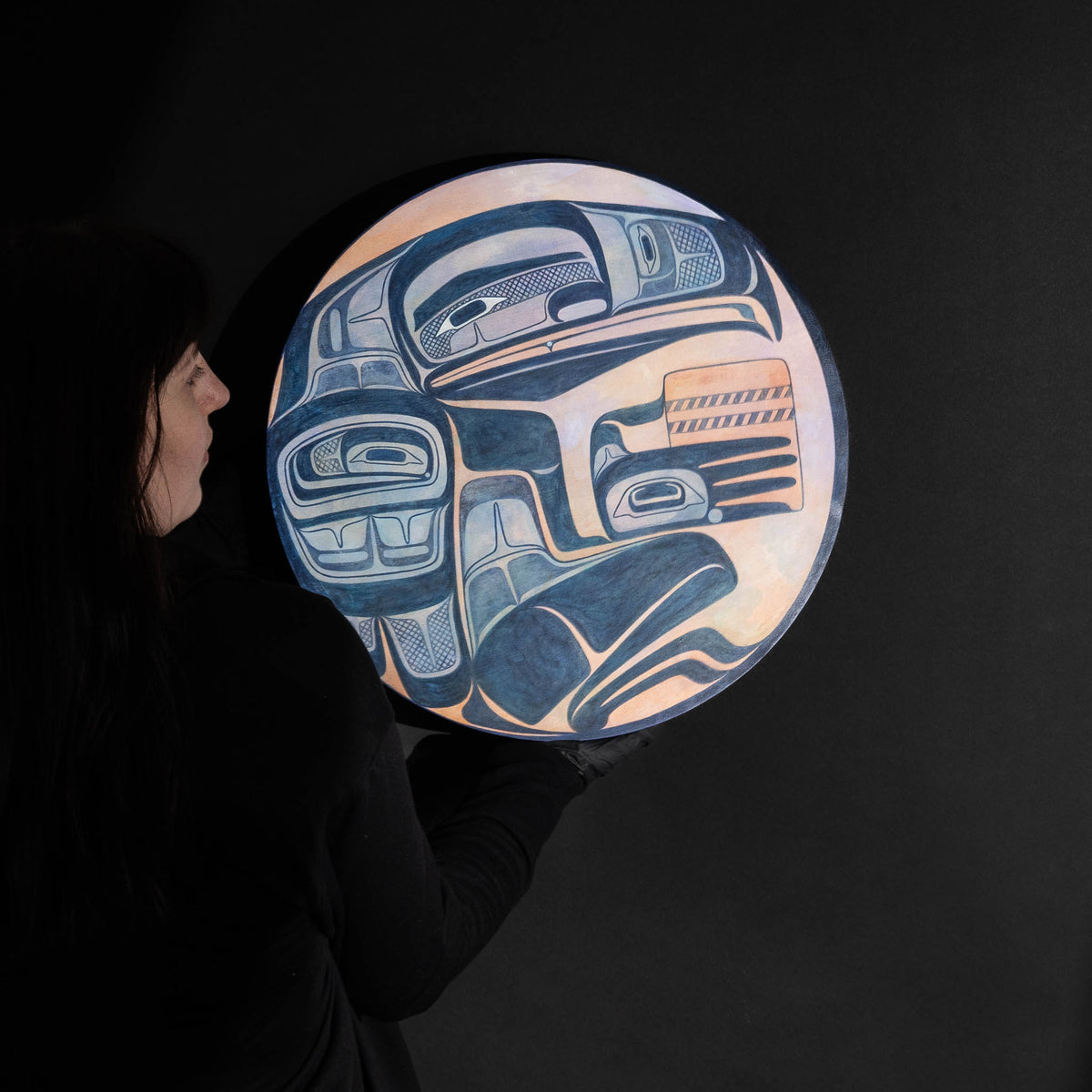
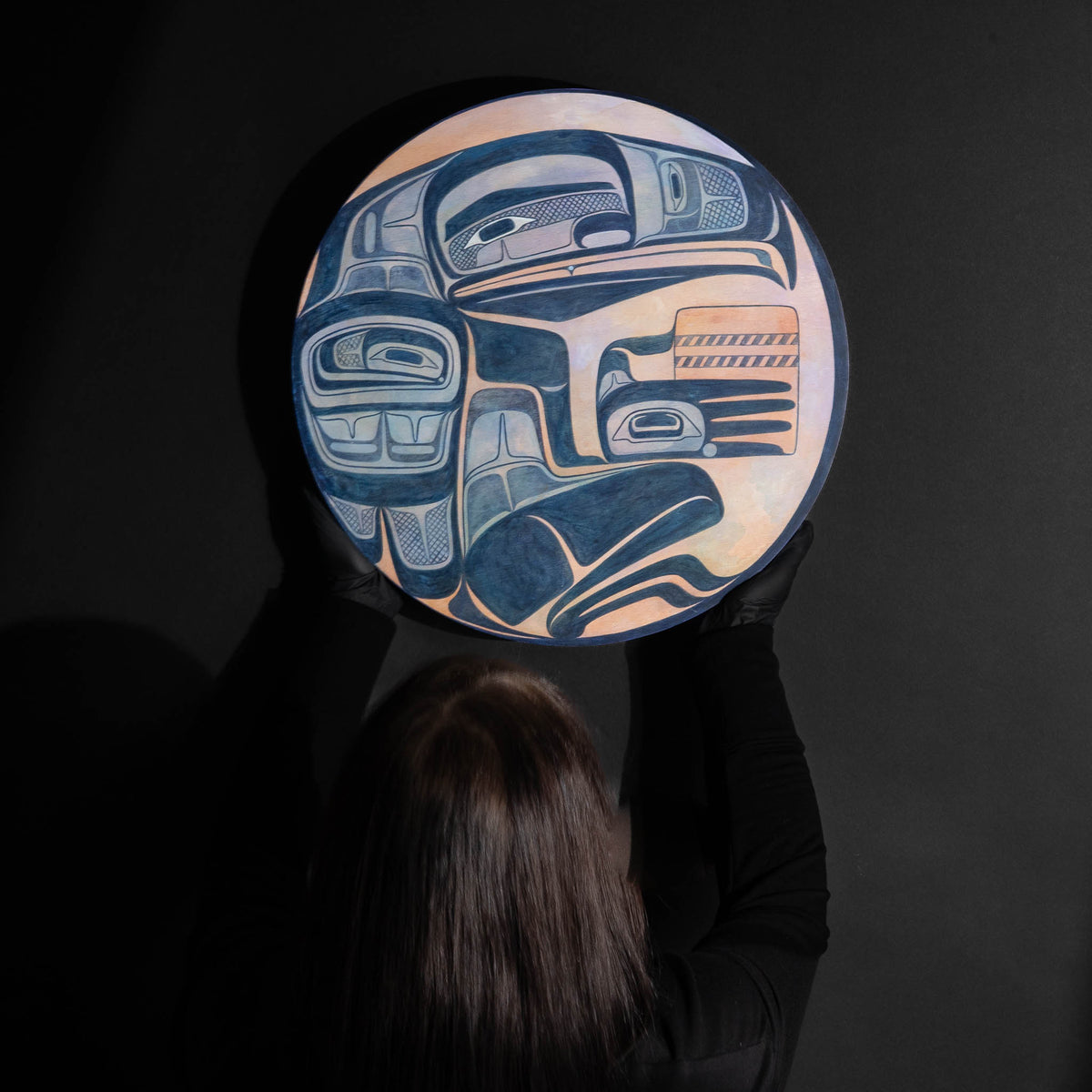
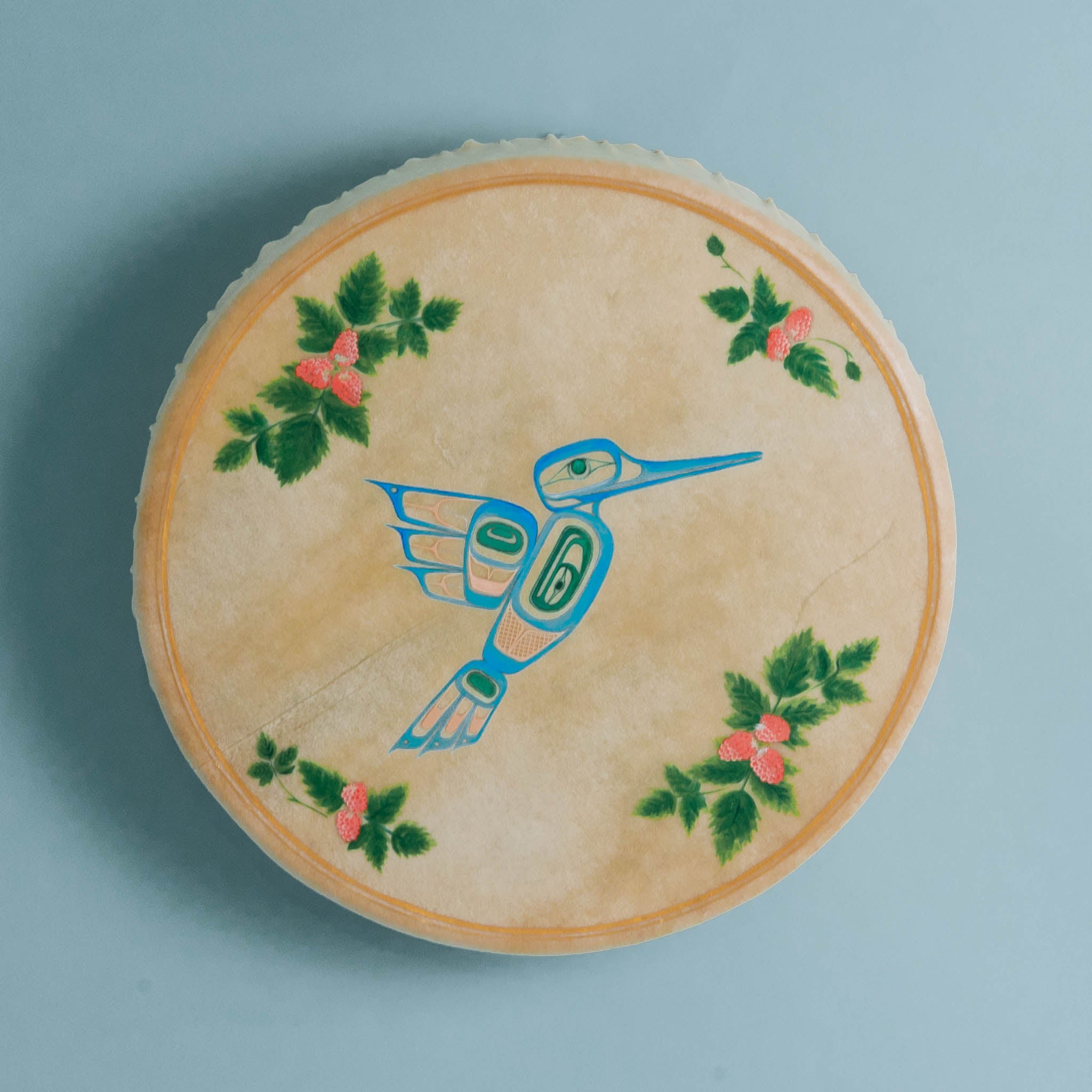
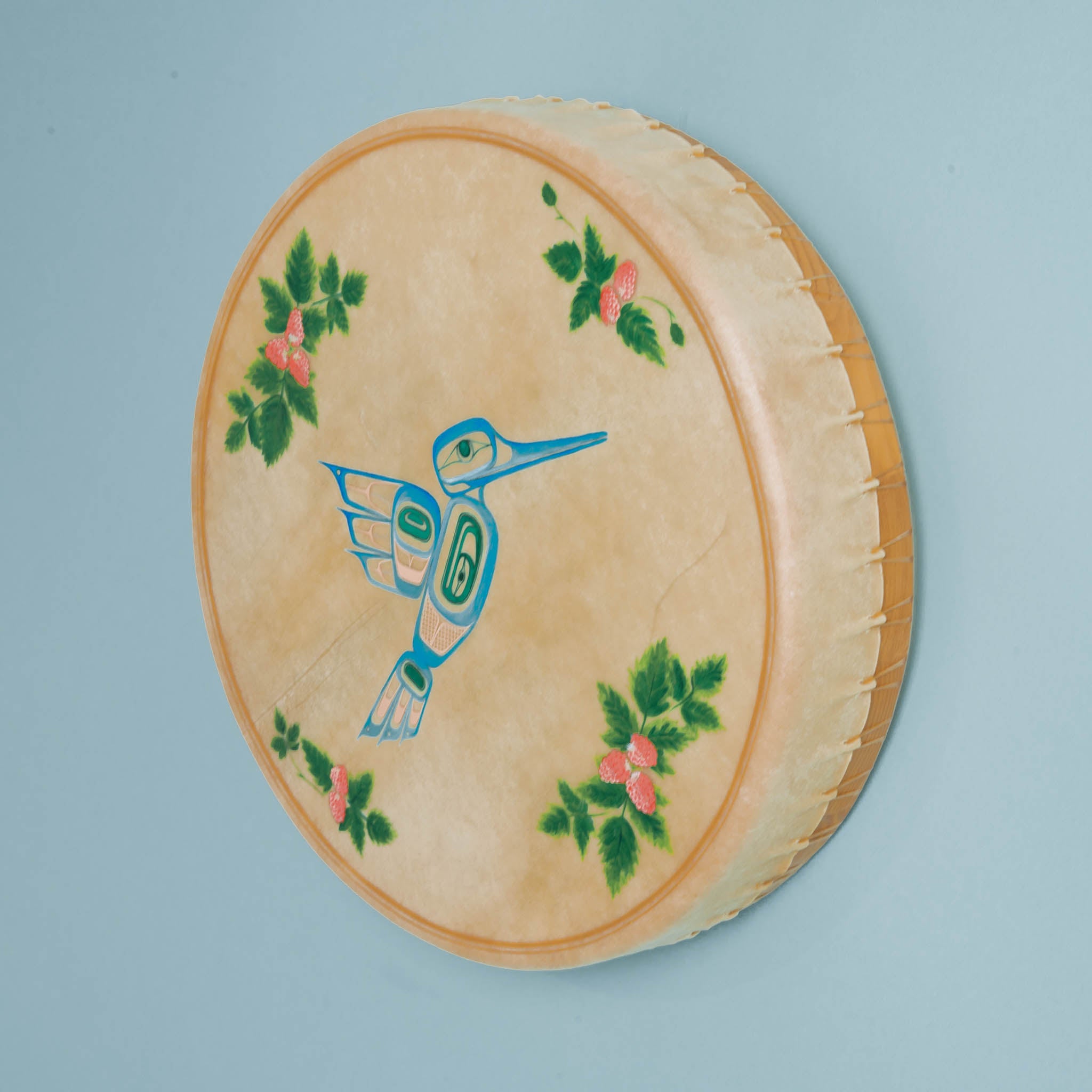
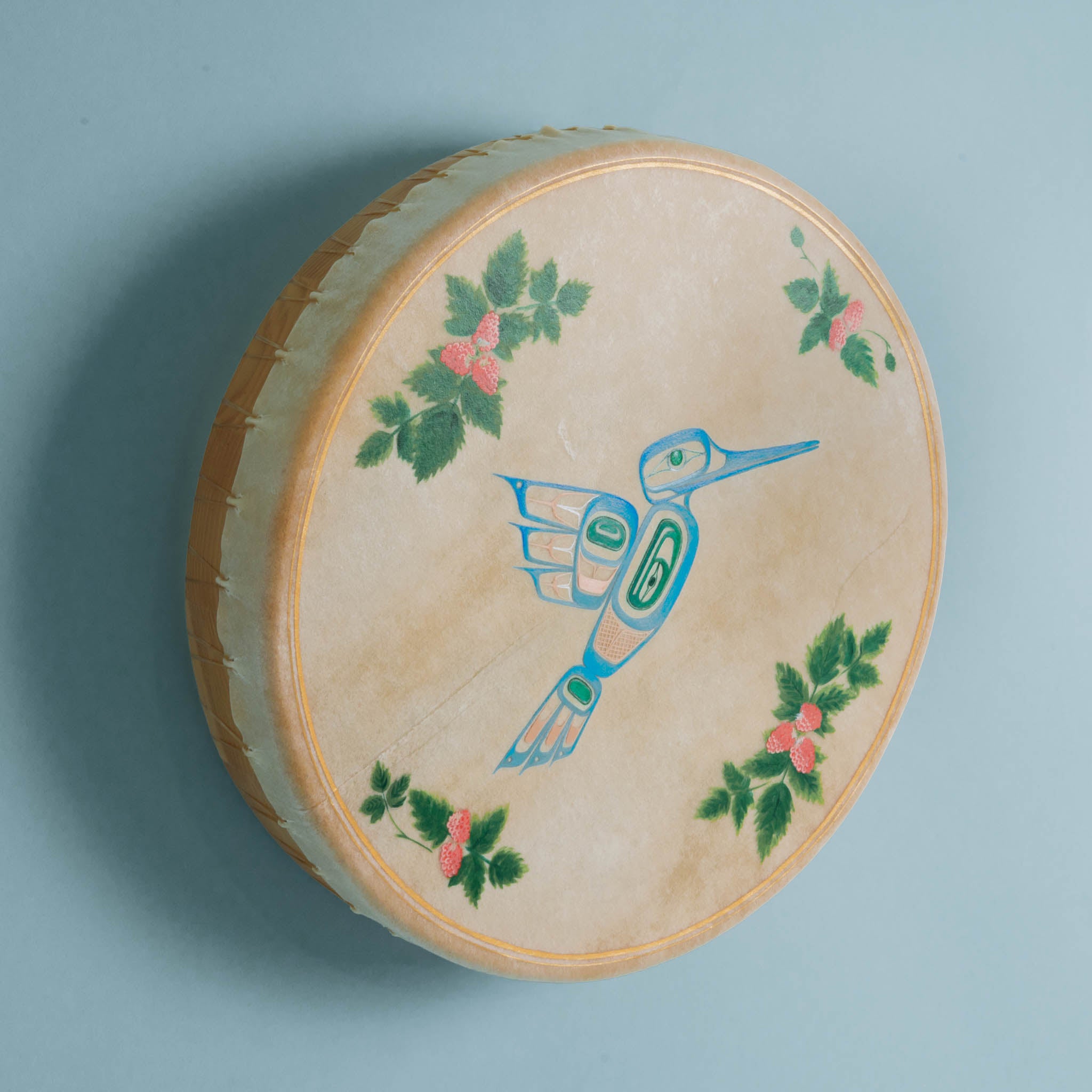
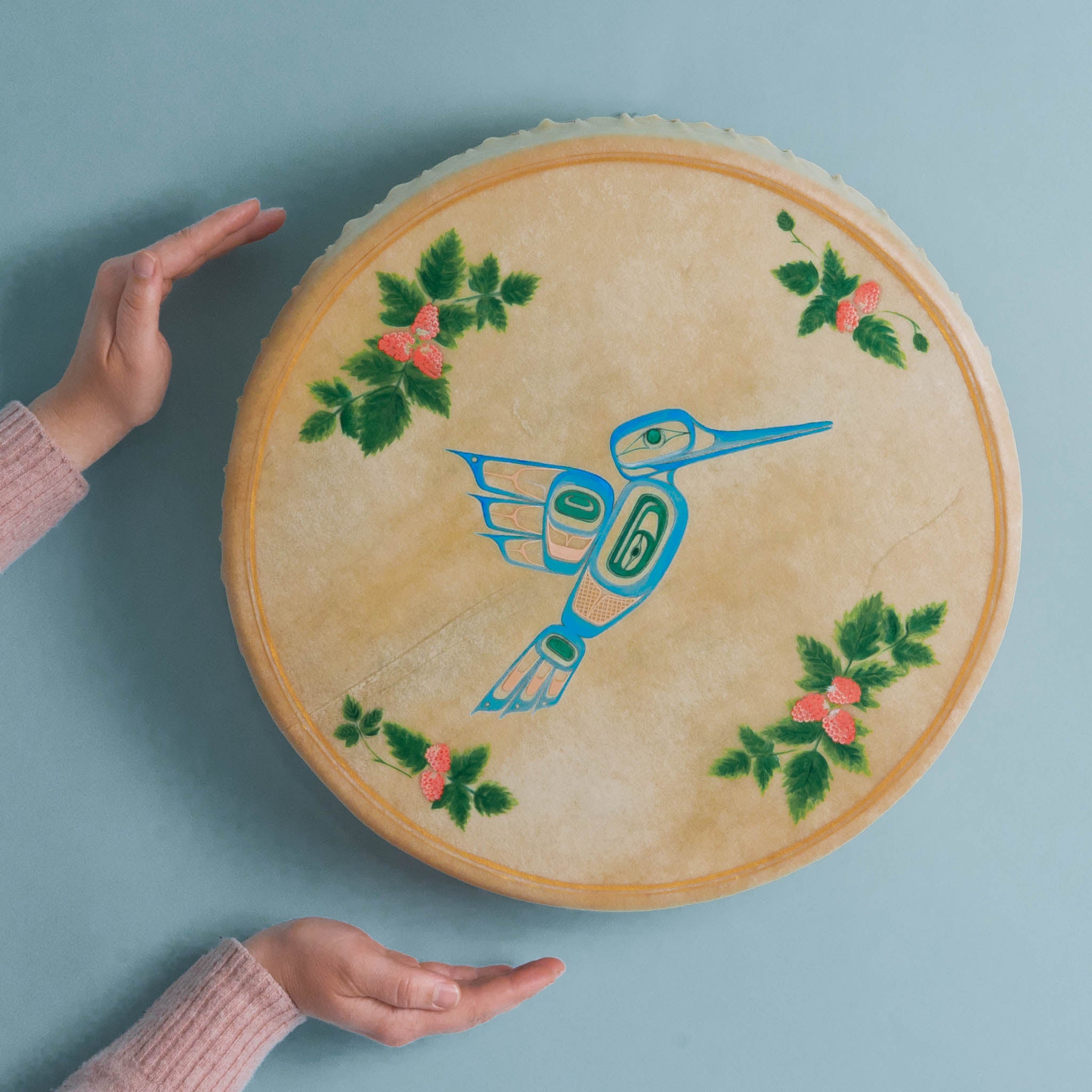
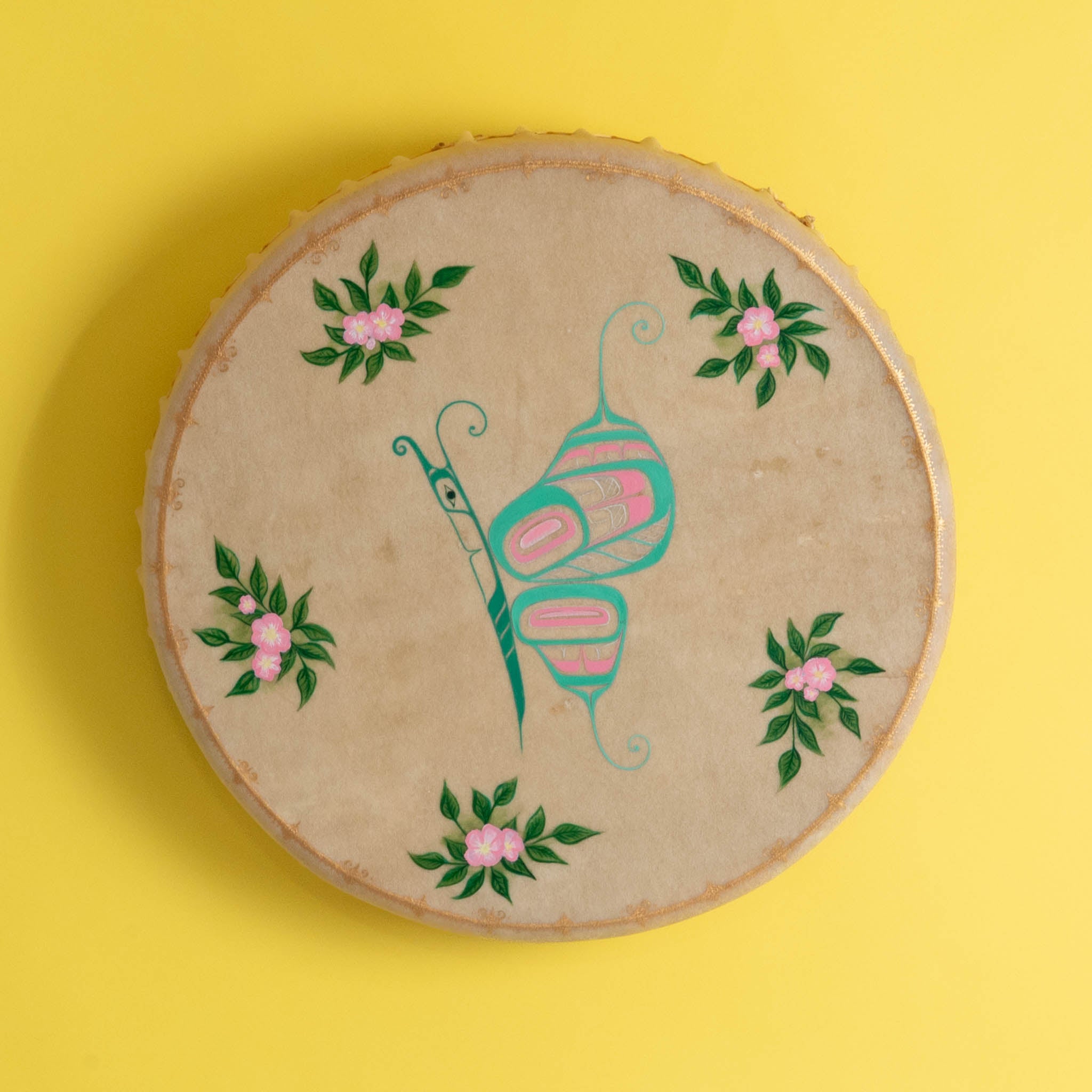
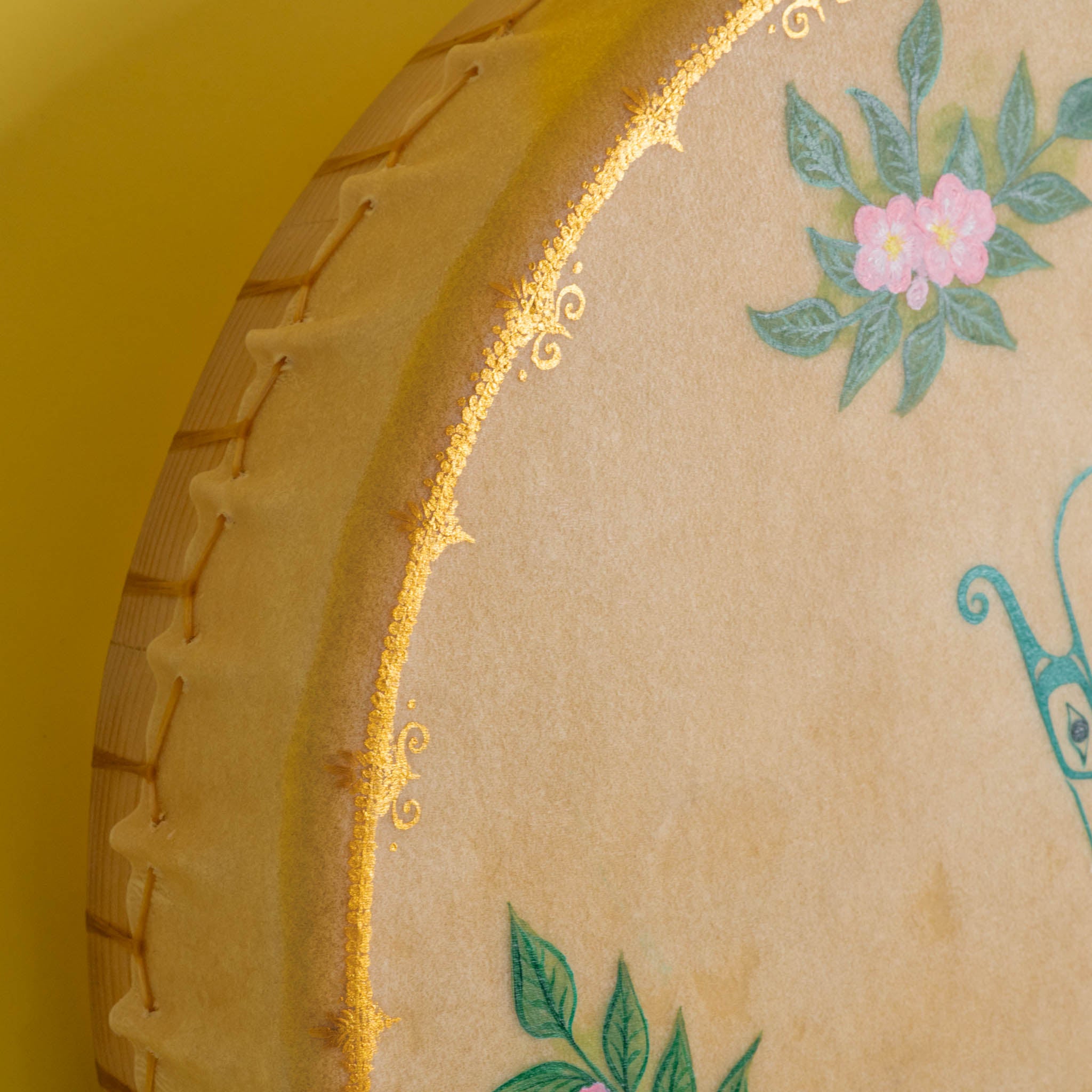
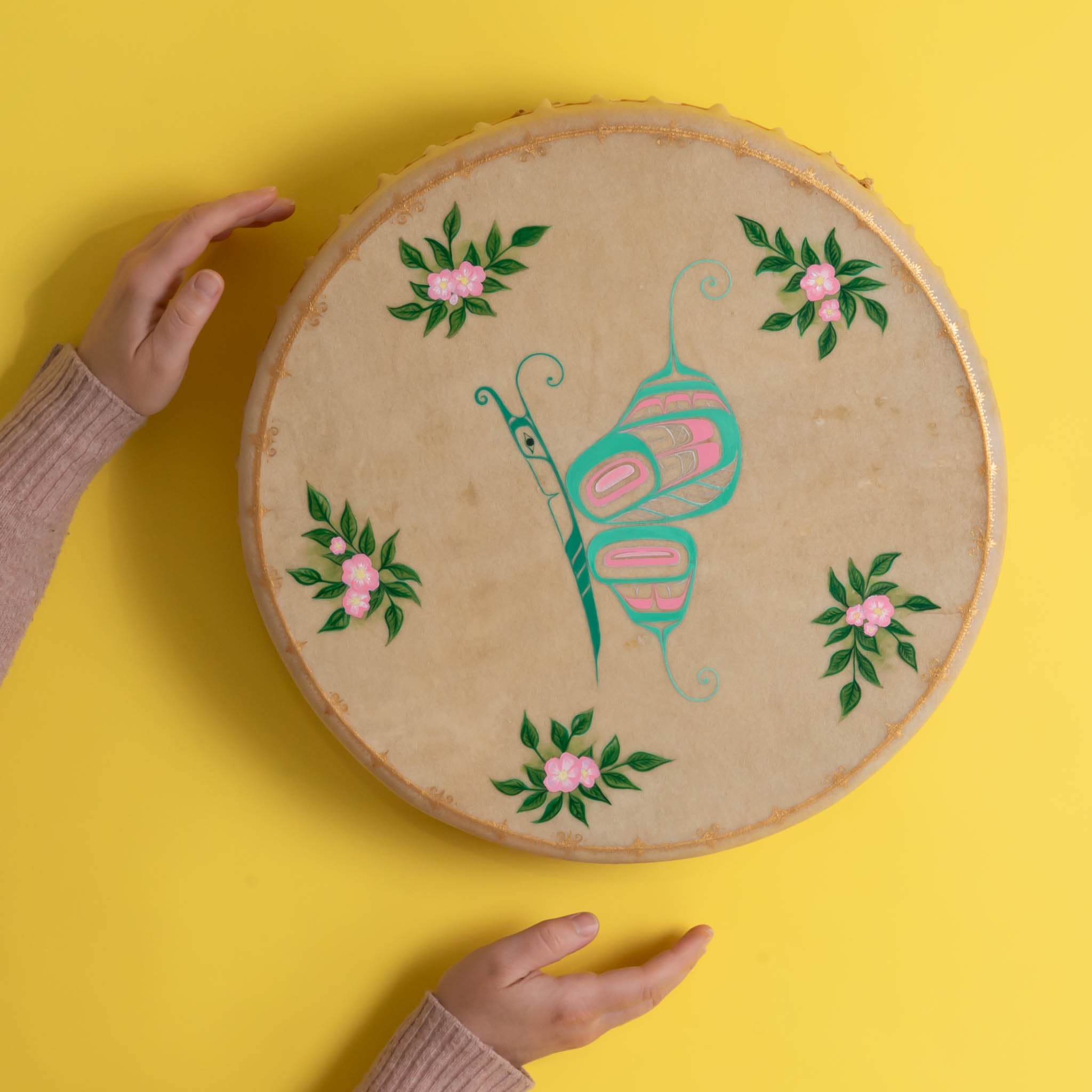
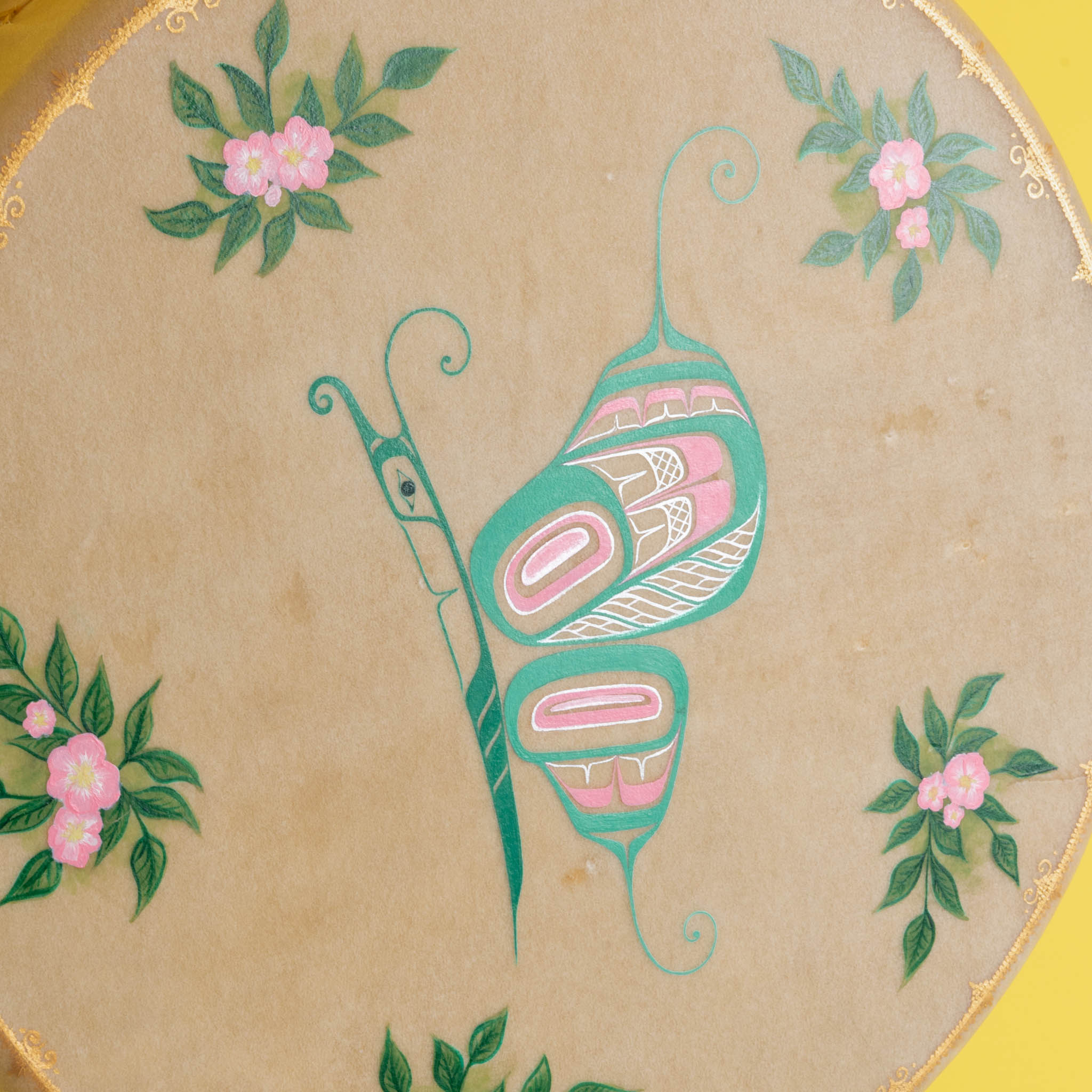
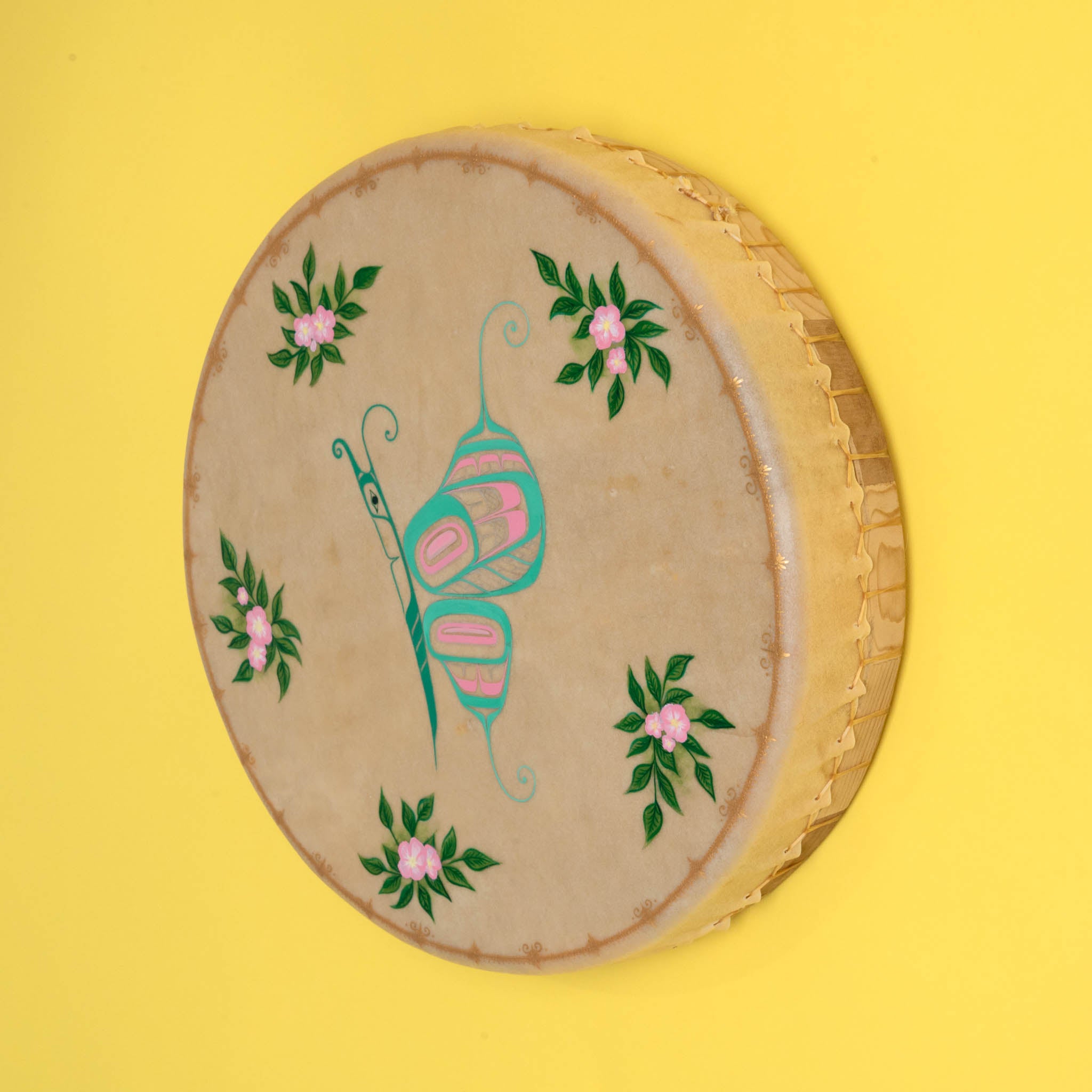
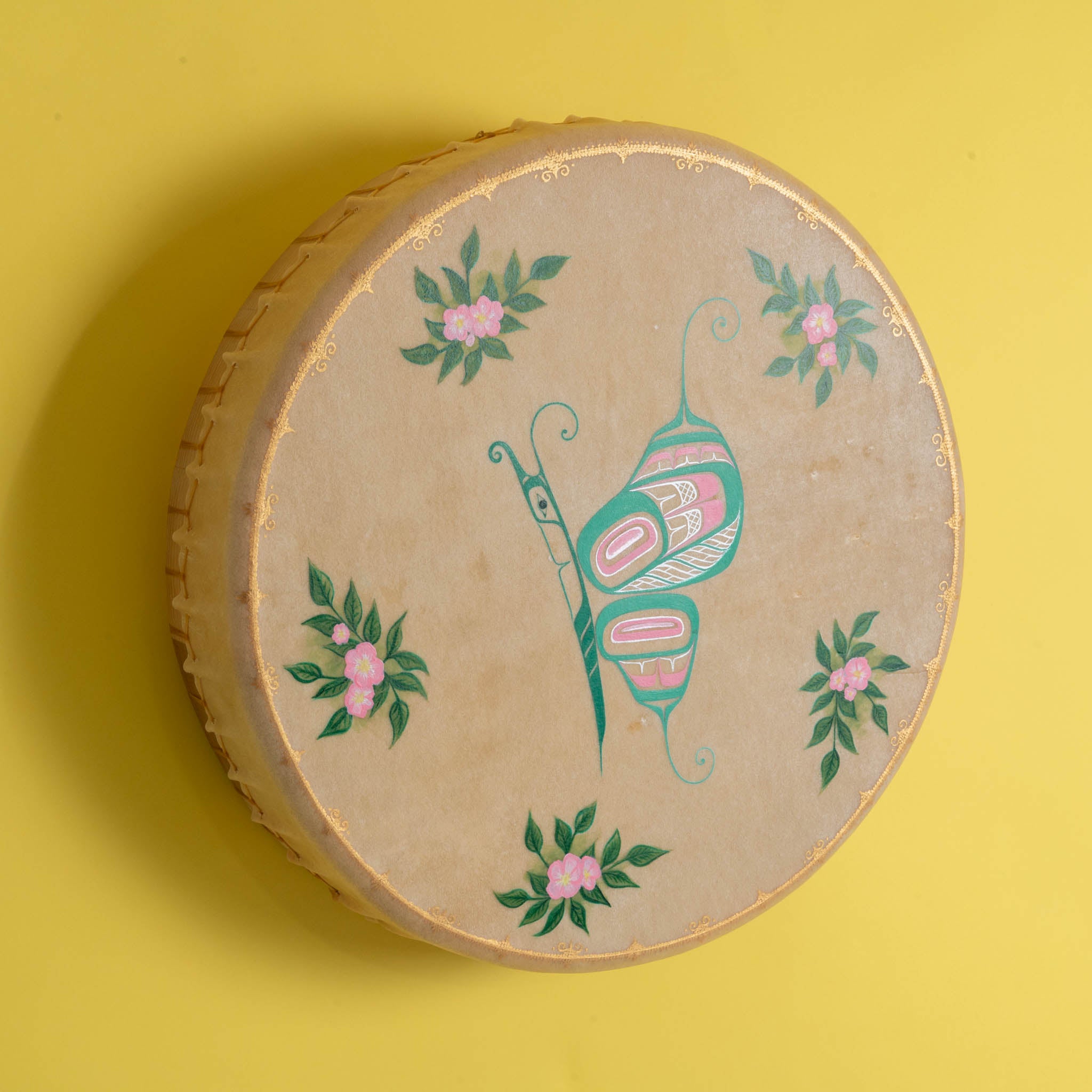
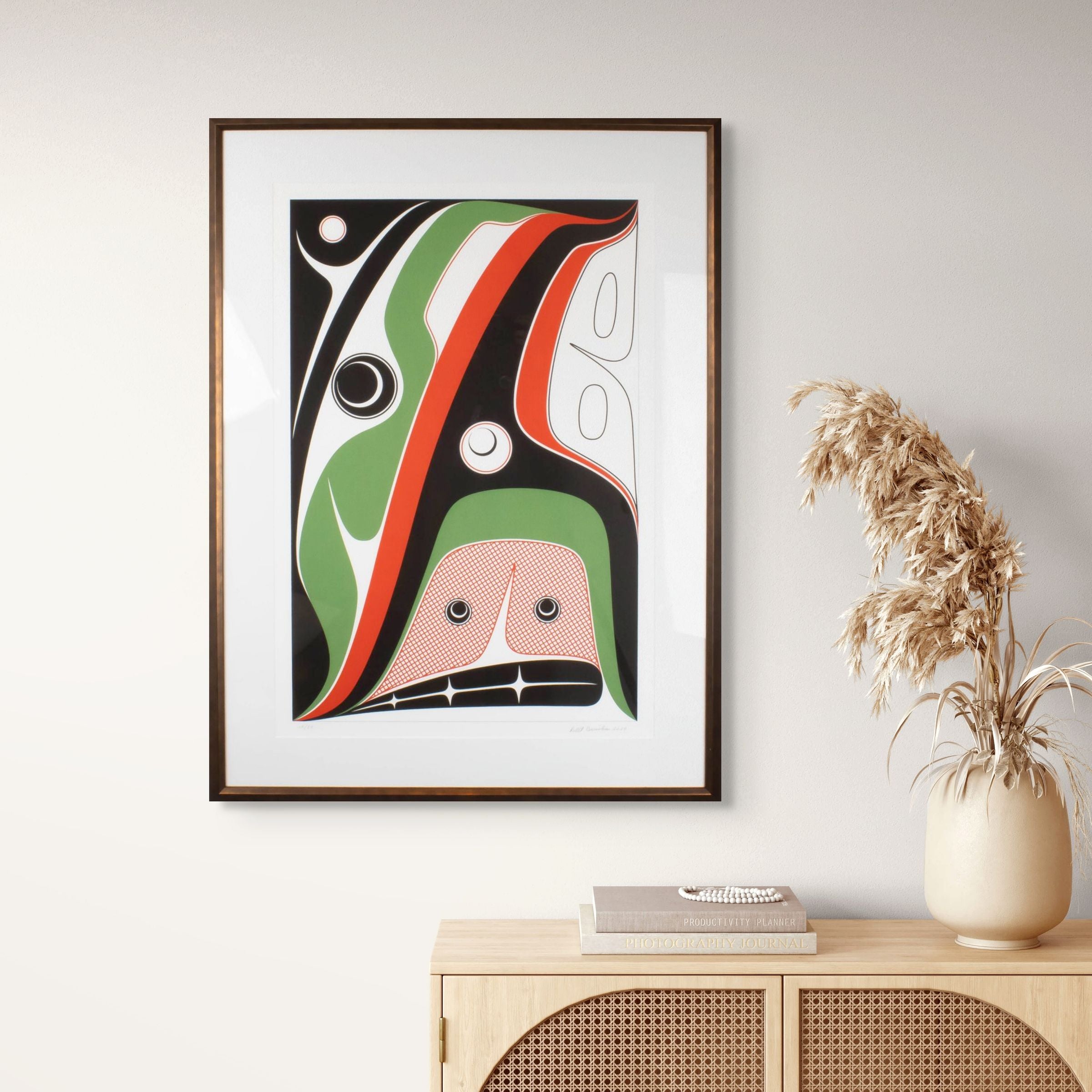
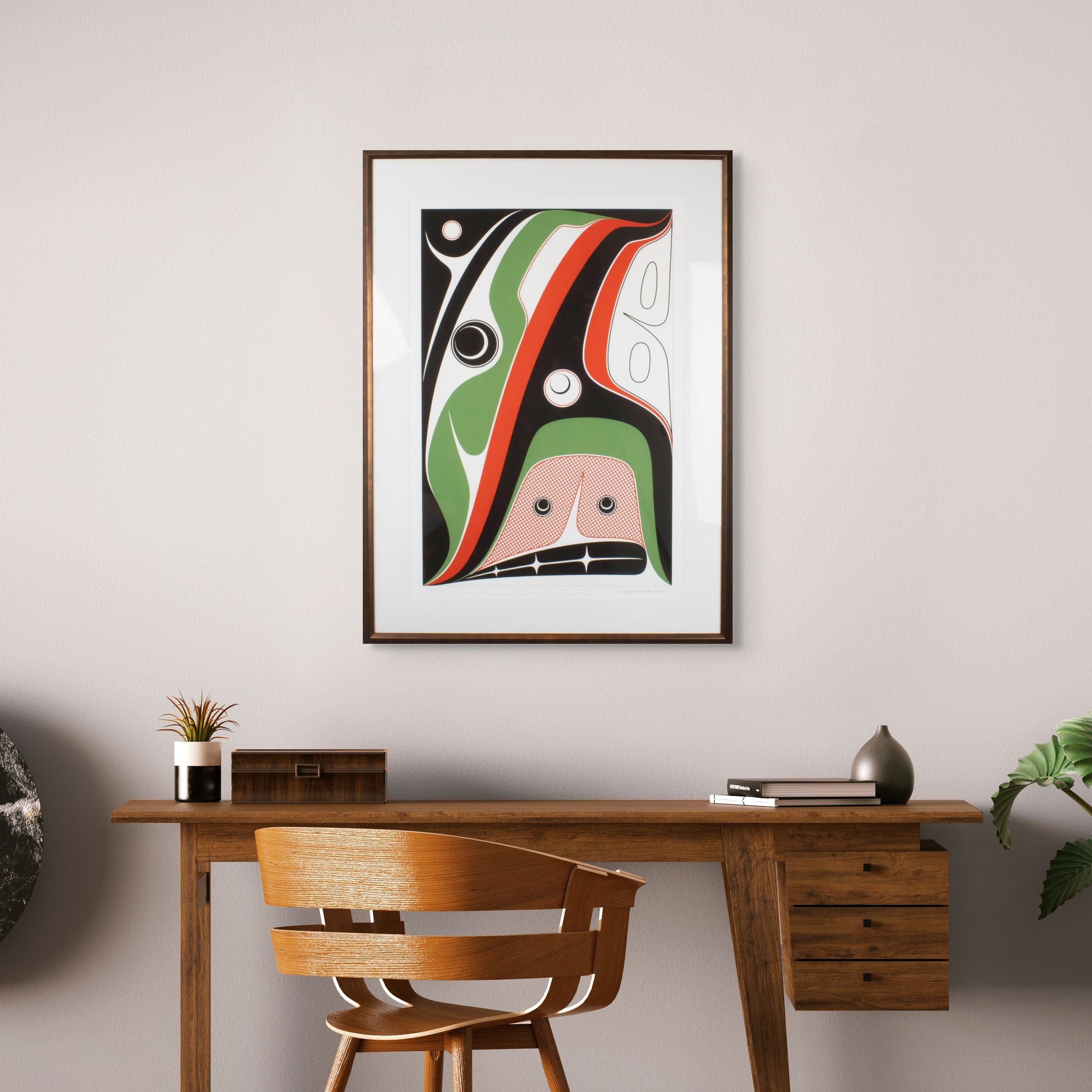
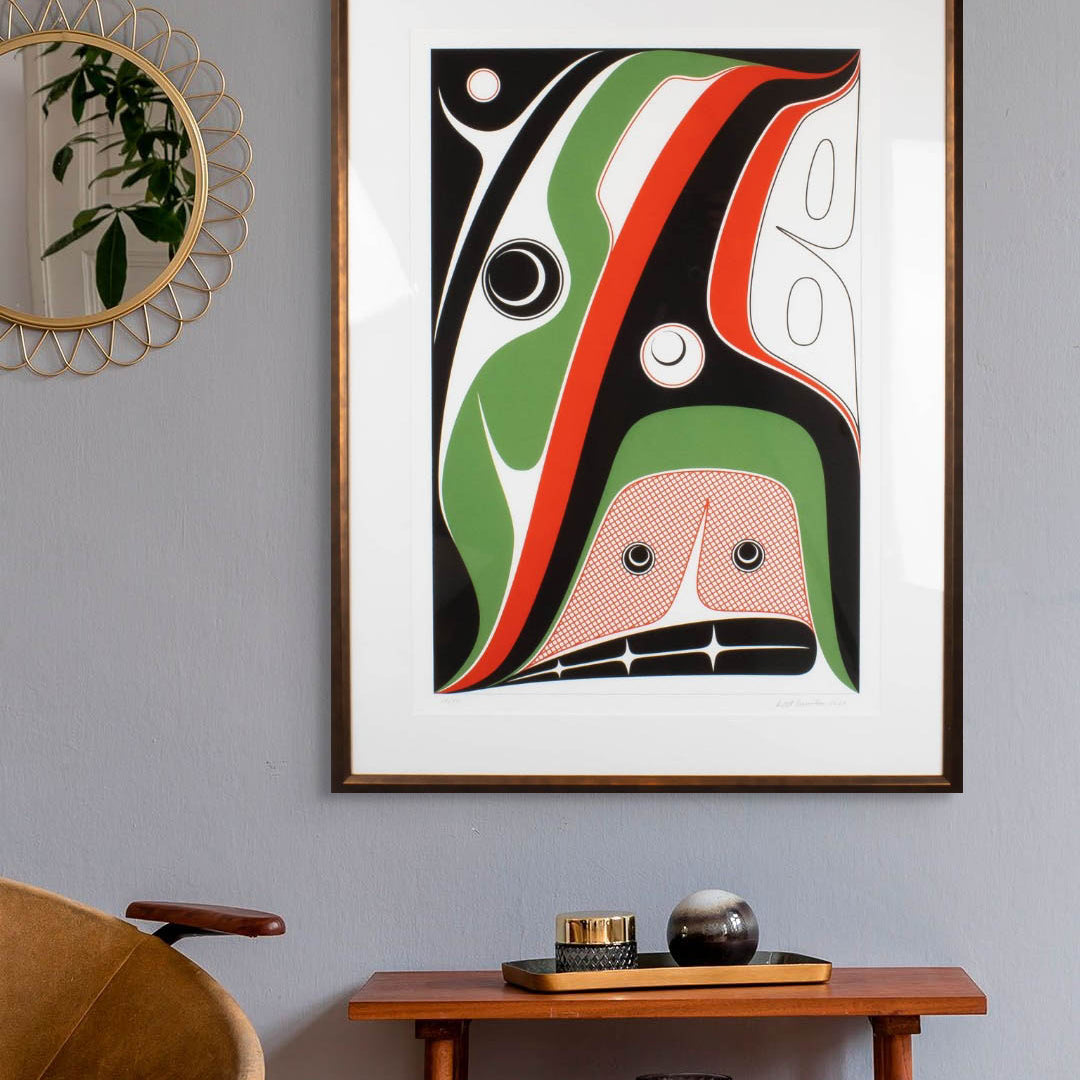
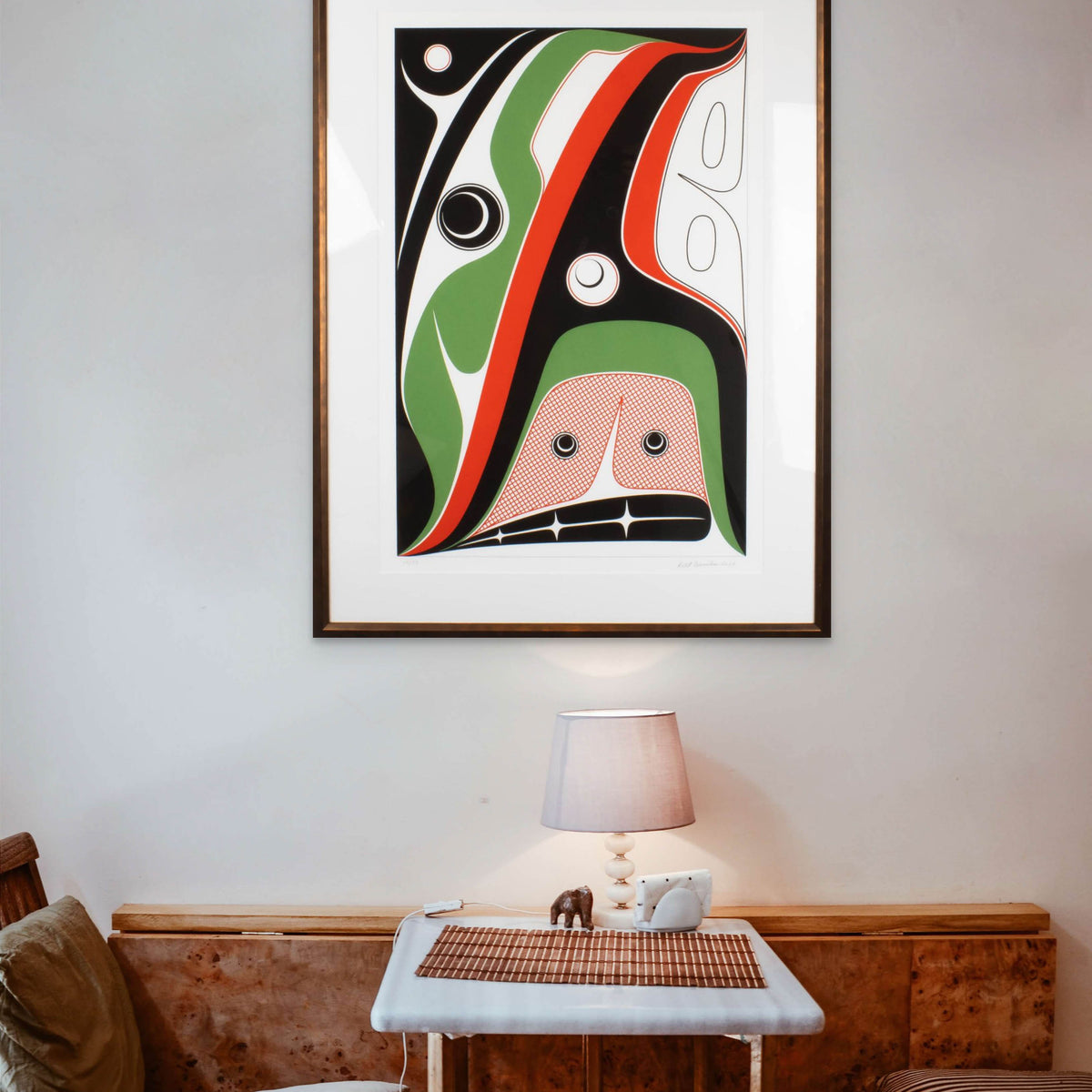
Haida art is the visual language of the Haida Nation, emerging directly from the land, sea, culture, and the ancestral homelands of Haida Gwaii. At its foundation is formline, a sophisticated design system Haida artist Robert Davidson describes as an alphabet used to communicate, document, and share stories across generations. This ancient art form is seamlessly integrated into everyday culture, transforming objects like bentwood boxes, paddles, and totem poles into powerful mediums for expressing history, family and clan lineages, cultural values, and the supernatural world. Rooted in traditional mastery, contemporary Haida artists continue to evolve this visual language by incorporating new mediums and modern aesthetics, while still sharing timely messages of cultural moments, values shaped by community and the natural environment, historical records, as well as current socio-political events.
Haida Art, Culture, and the Islands of Haida Gwaii
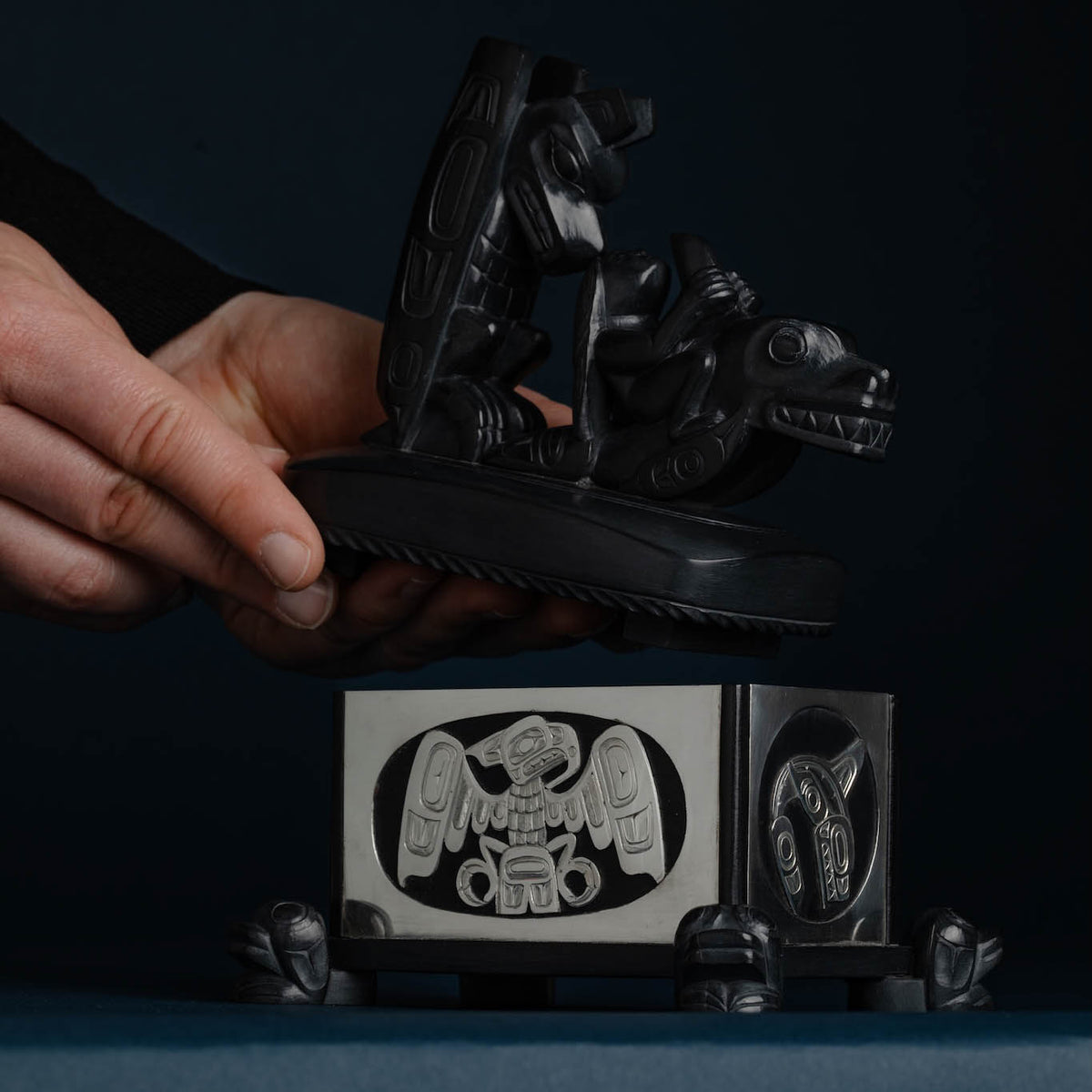
Haida Art is the art form of Haida artists from the Haida Nation, whose home encompasses the land and waters of Haida Gwaii, an archipelago located off the coast of British Columbia, Canada. Haida Art is well-known for its distinct formline design, monumental cedar totem poles, and argillite carvings, a black slate unique to Haida Gwaii. Historically and today, the art expresses stories from Haida culture, as a way to document the past and present.
Today, great efforts continue by the Haida Nation and allies to support the care and stewardship of Haida Gwaii, including the official recognition of land and water rights through Haida title, and the upholding of culture, language, respect for the environment, community, and the arts, all vital to the well-being of future generations on Haida Gwaii. The Haida have stewarded the lands here since time immemorial, evidenced through Haida oral histories that recount the times of the volcanics, the ice age, and many other historical and natural events that took place on these islands. Each year, modern science continues to validate and give even more context to traditional Haida knowledge and ways of knowing, dating back to the presence of communities thousands of years ago.
Meaning Behind Haida Art
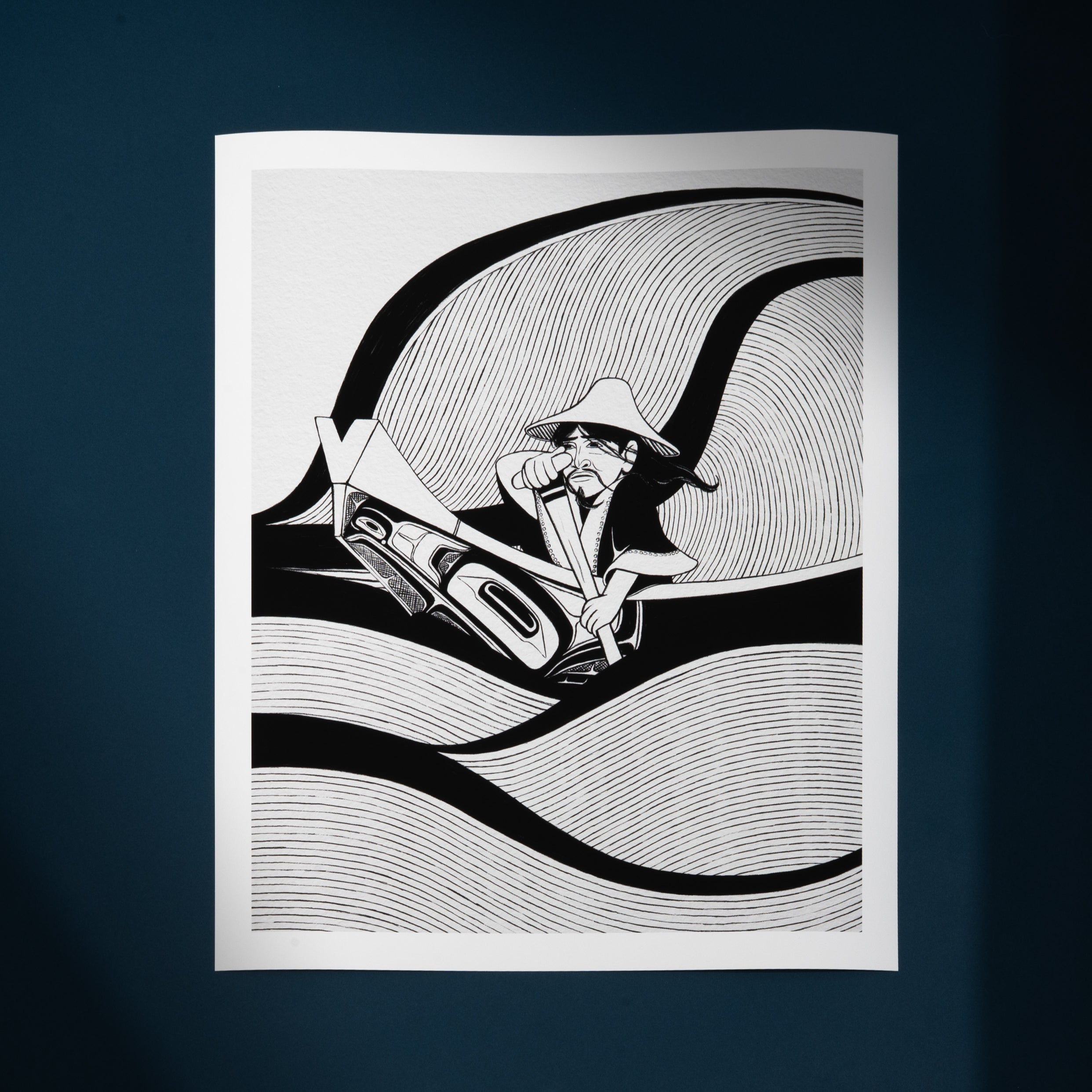
Haida art, used as a medium for storytelling, recounts stories of the past and present. It is also used to describe Haida family lineages, such as individual crests and clan structures. There are many well-known historical Haida supernatural stories, such as "Boy Riding Killerwhale," "Raven Steals the Light," "Raven and the First People," and "Fungus Man," among others, that surface in artists’ works. Many artists also draw on socio-political realities, environmental concerns, and cultural resilience through their practice. In doing so, Haida art remains a living, evolving form of expression, grounded in tradition while speaking to the present.
What is Haida Formline?
Since time immemorial, Haida formline, which is the design structure of the Haida, has captivated the imagination of Haida artists and made a distinct impression on those who have encountered this system of design.
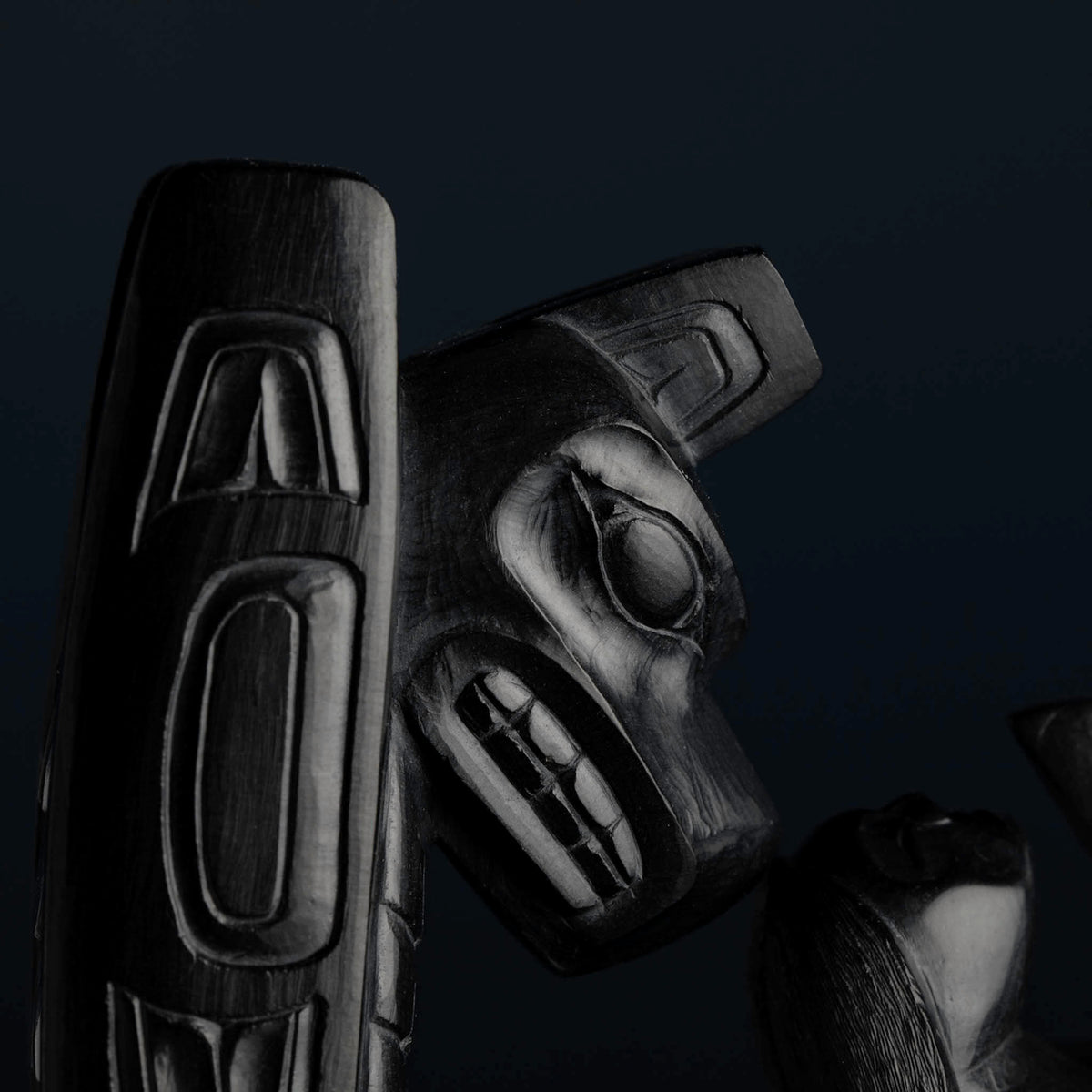
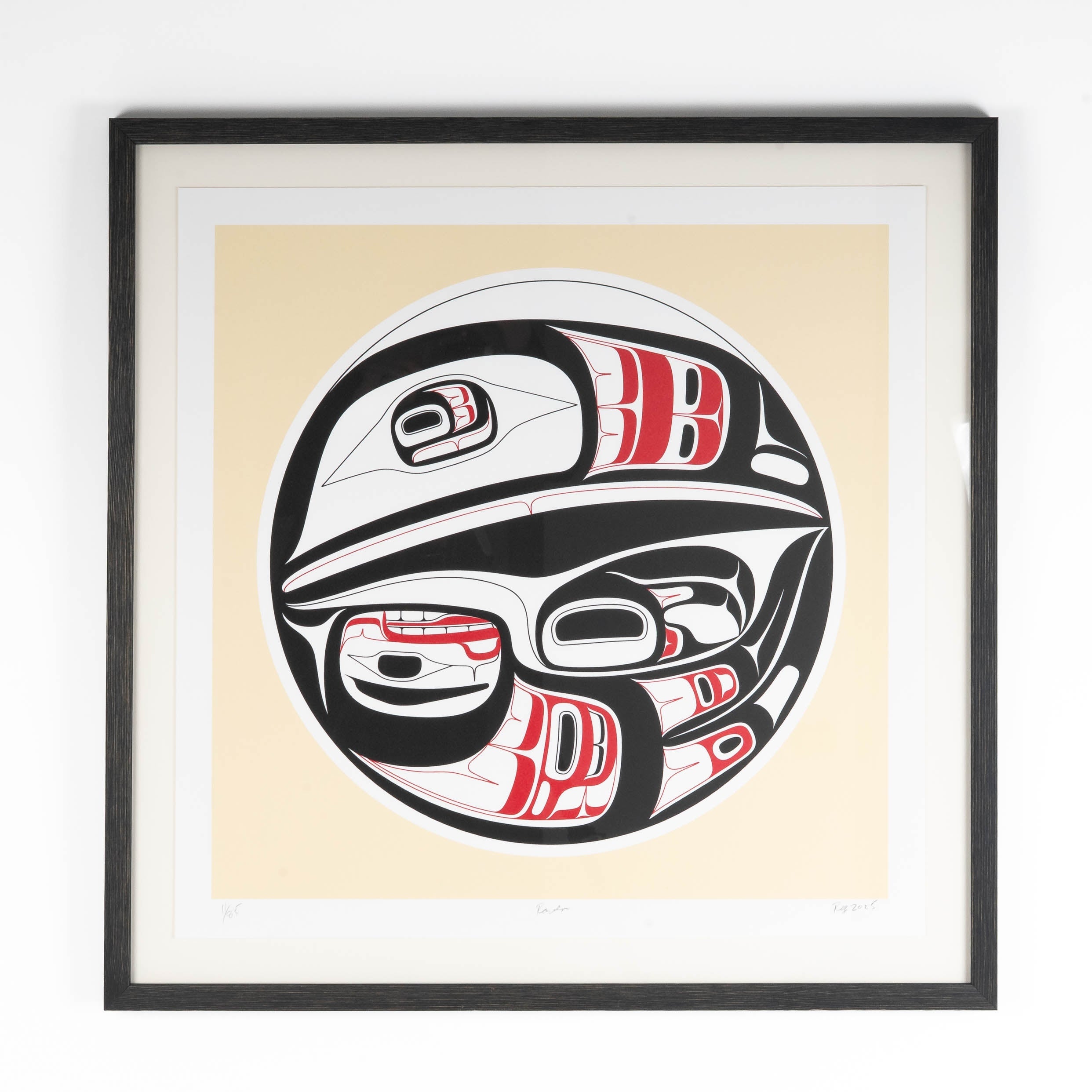
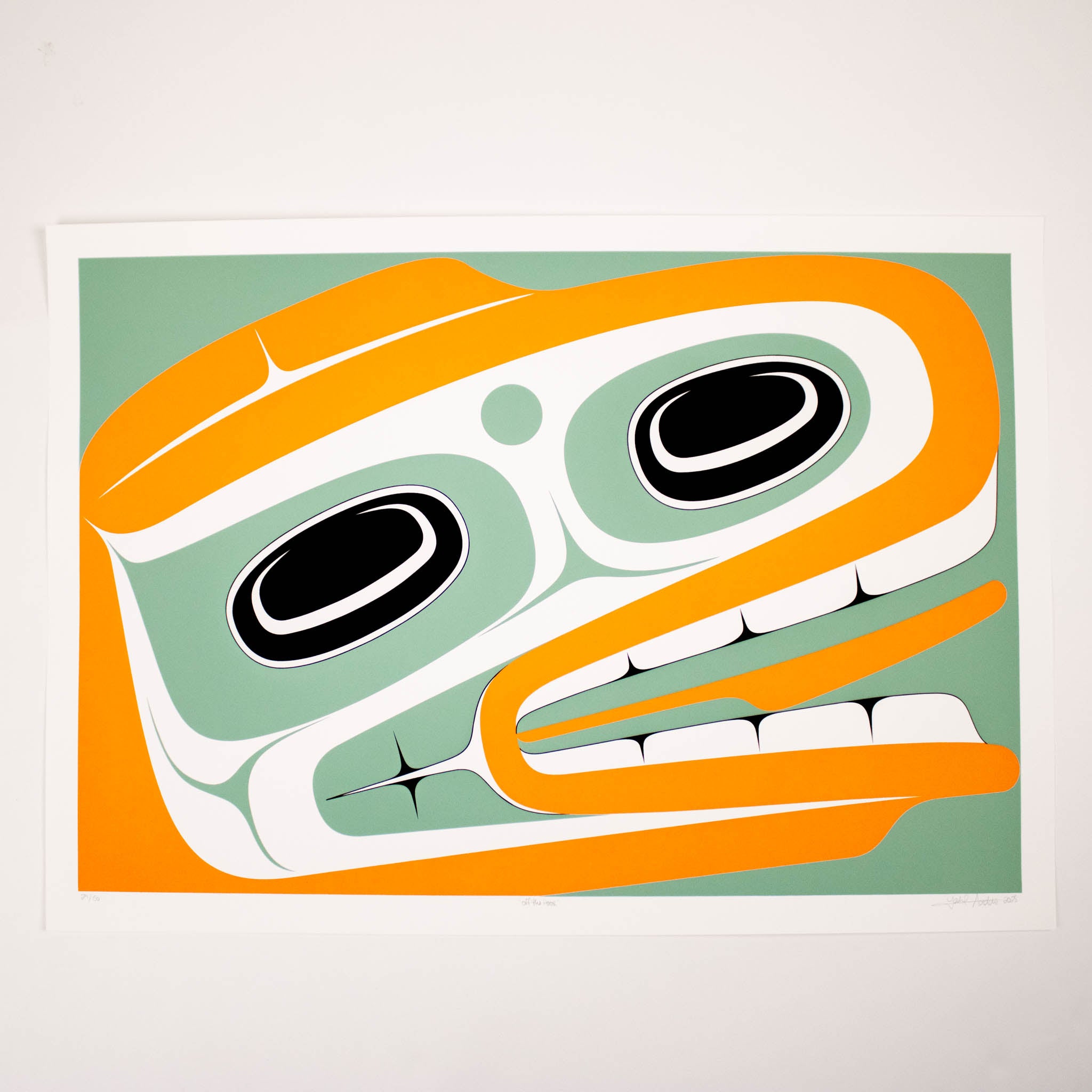
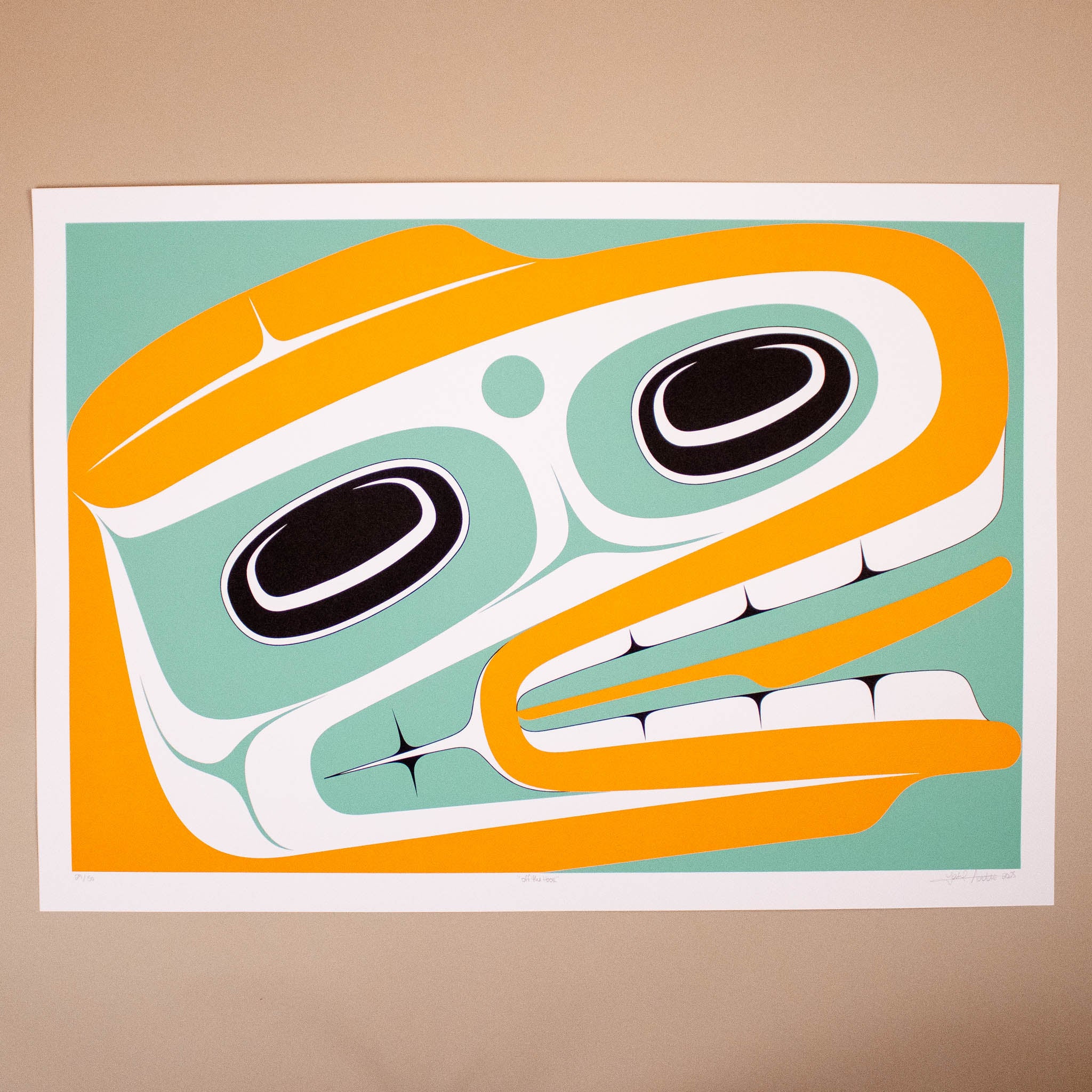
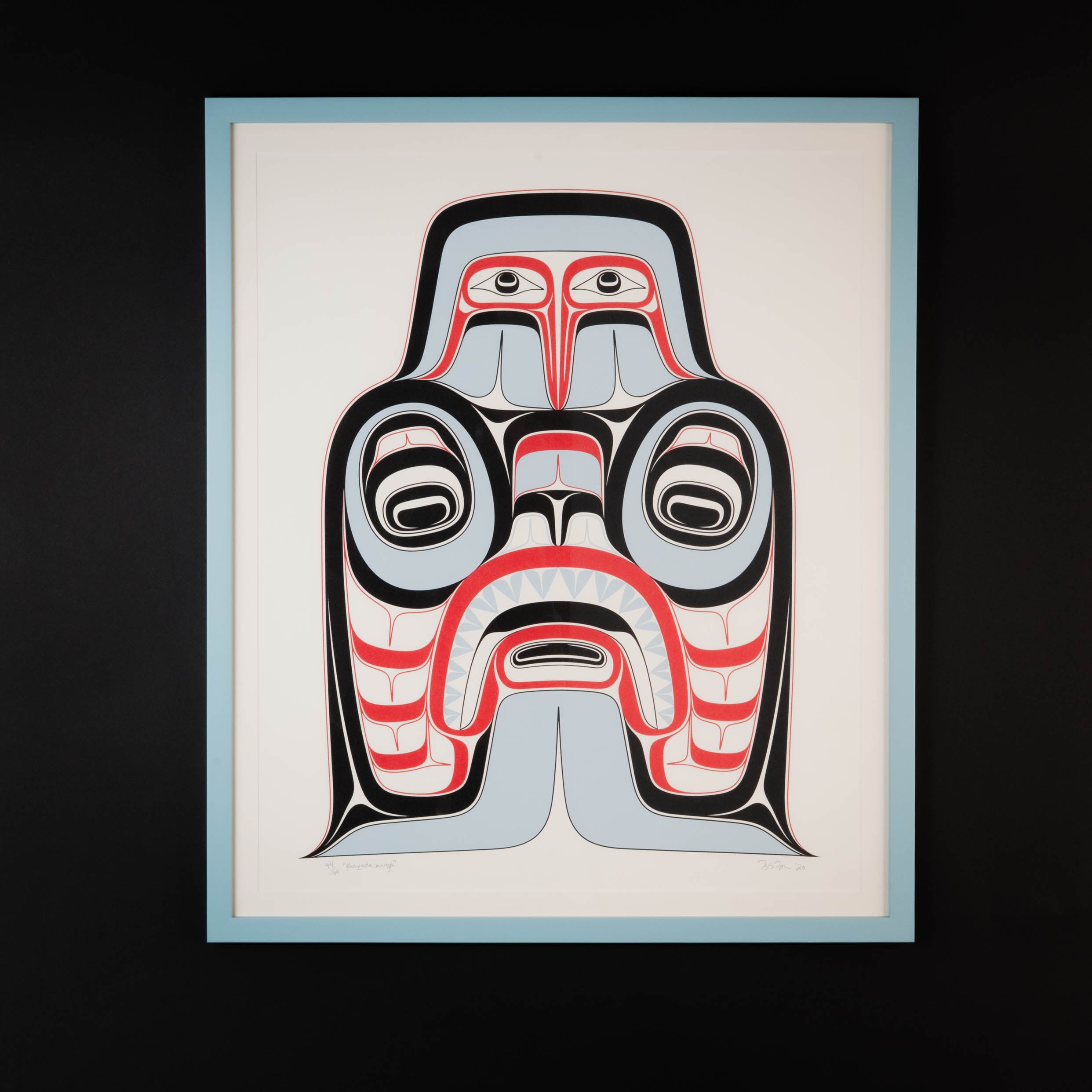
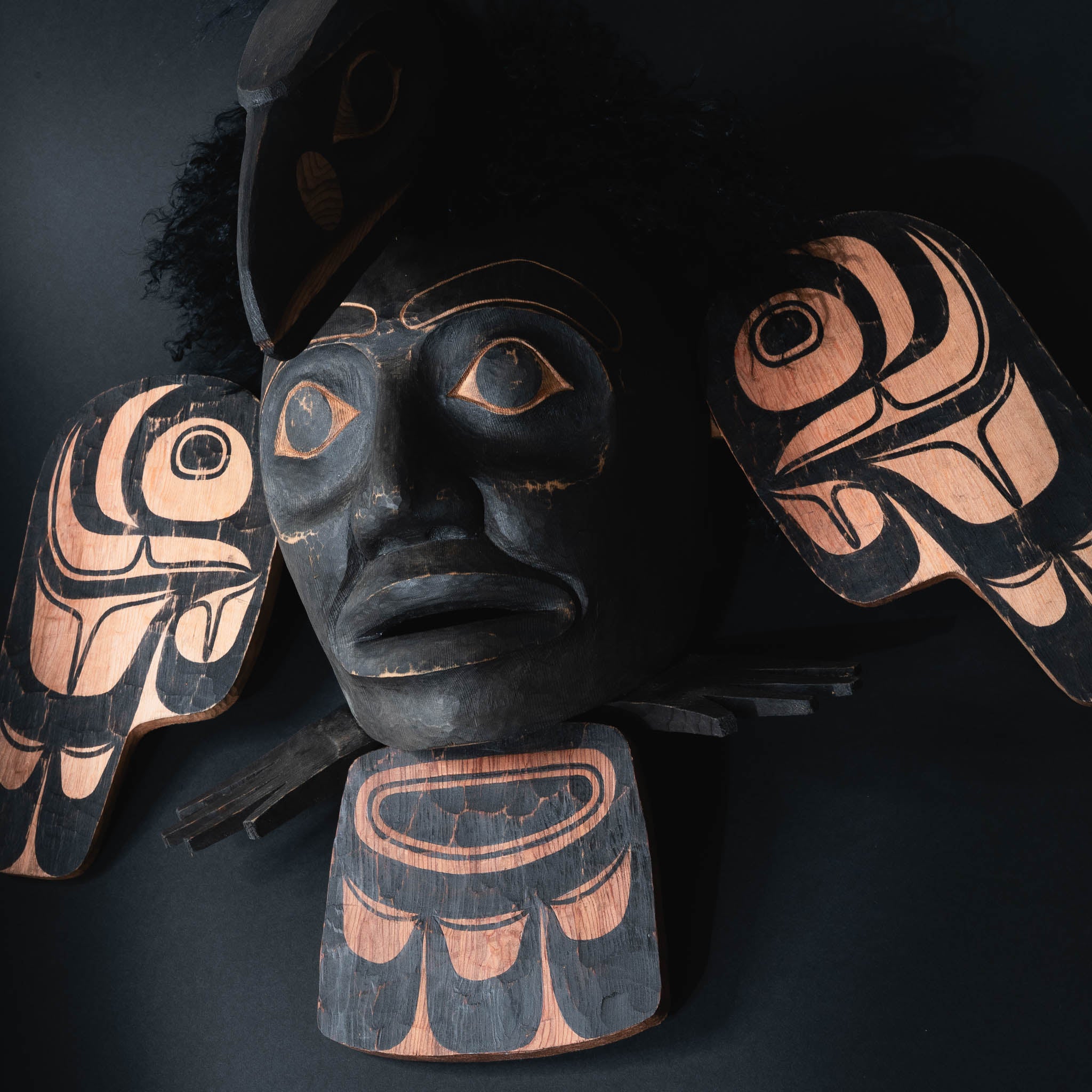
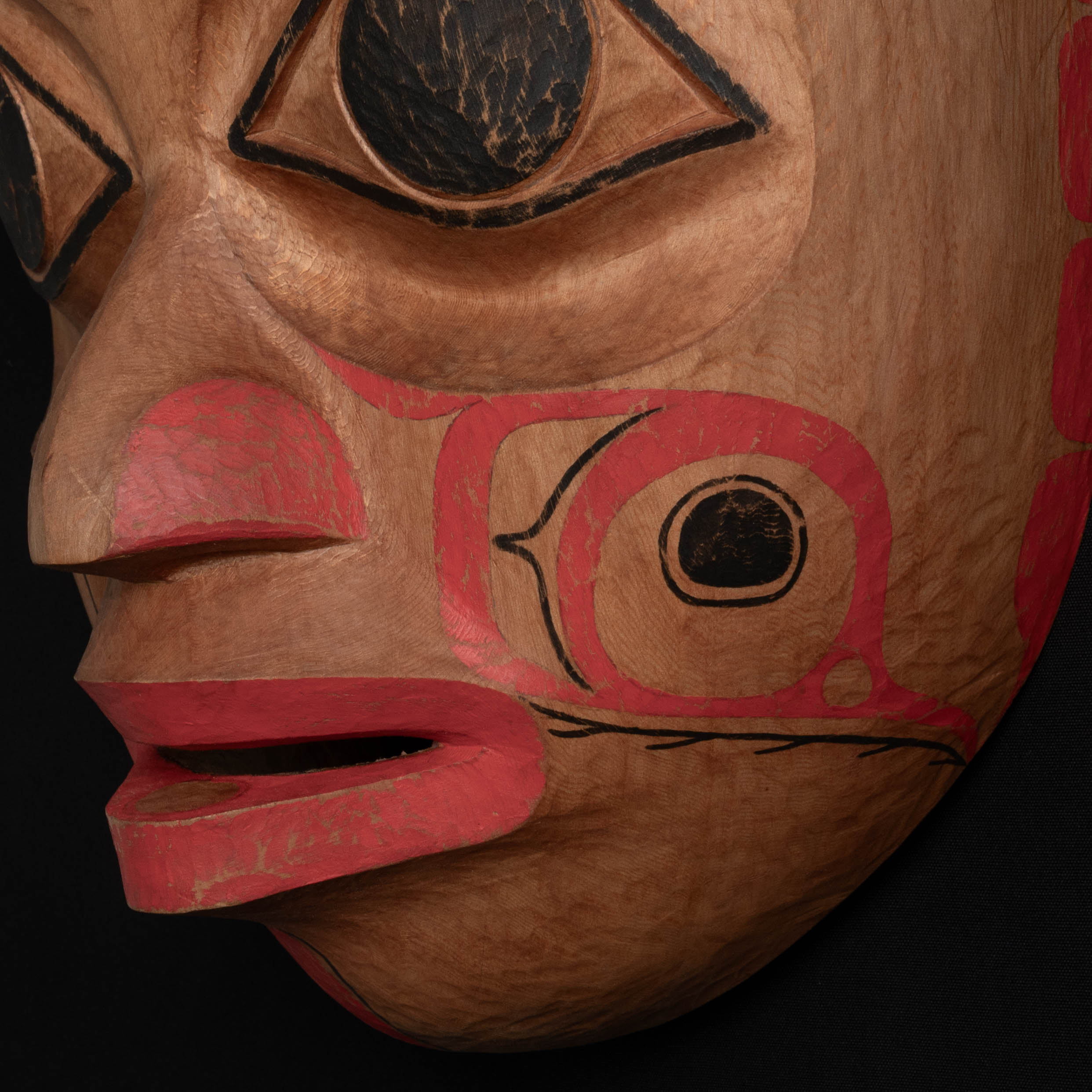
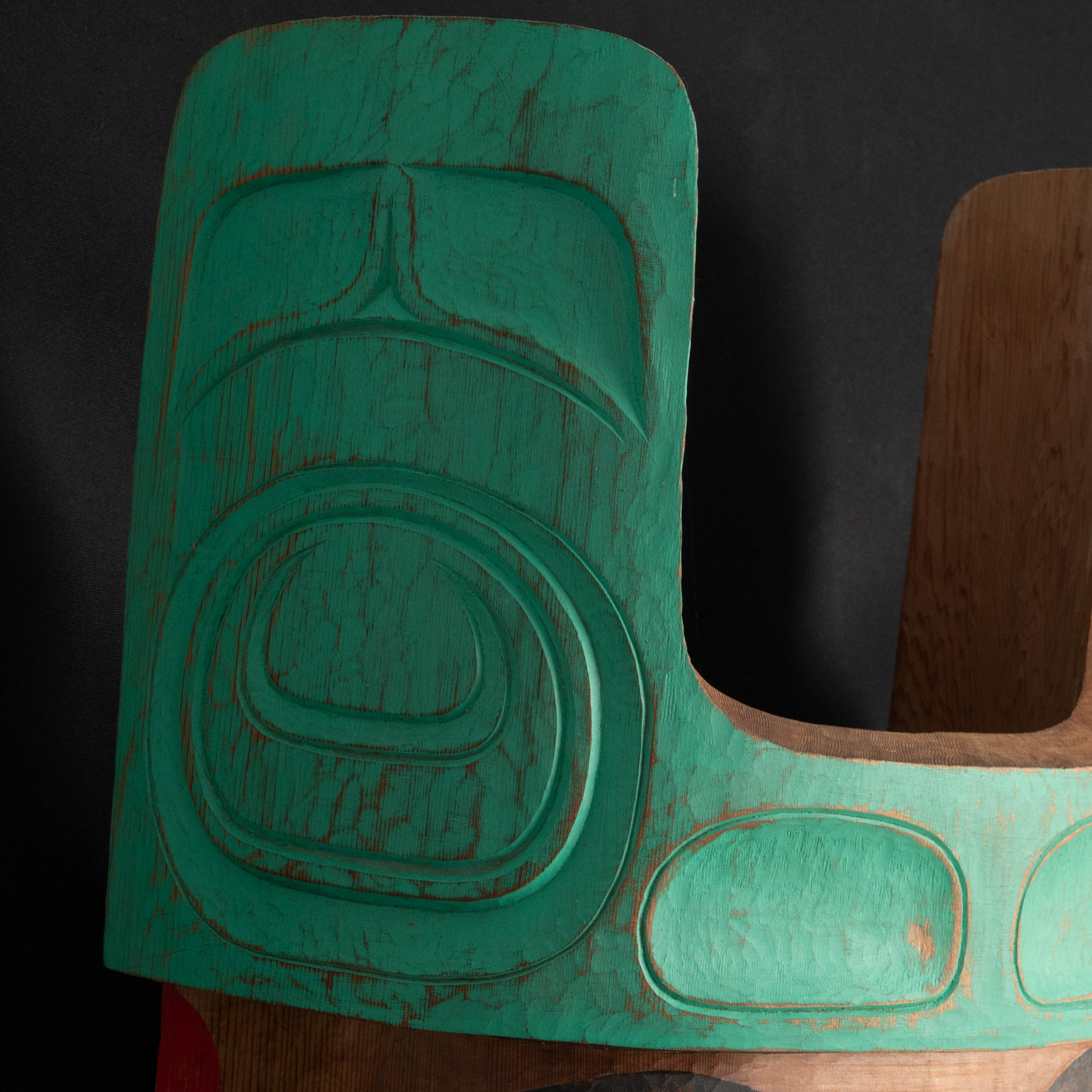
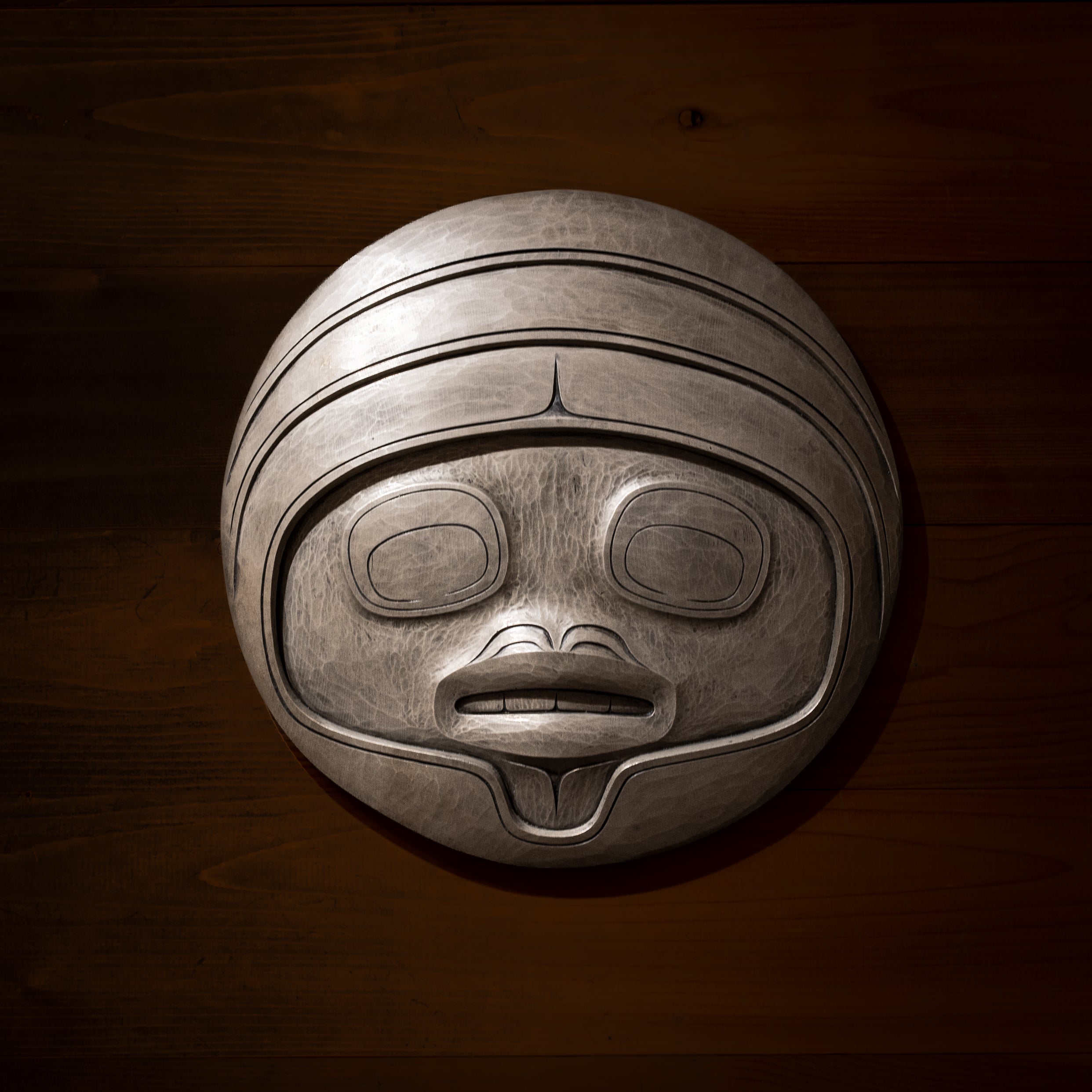
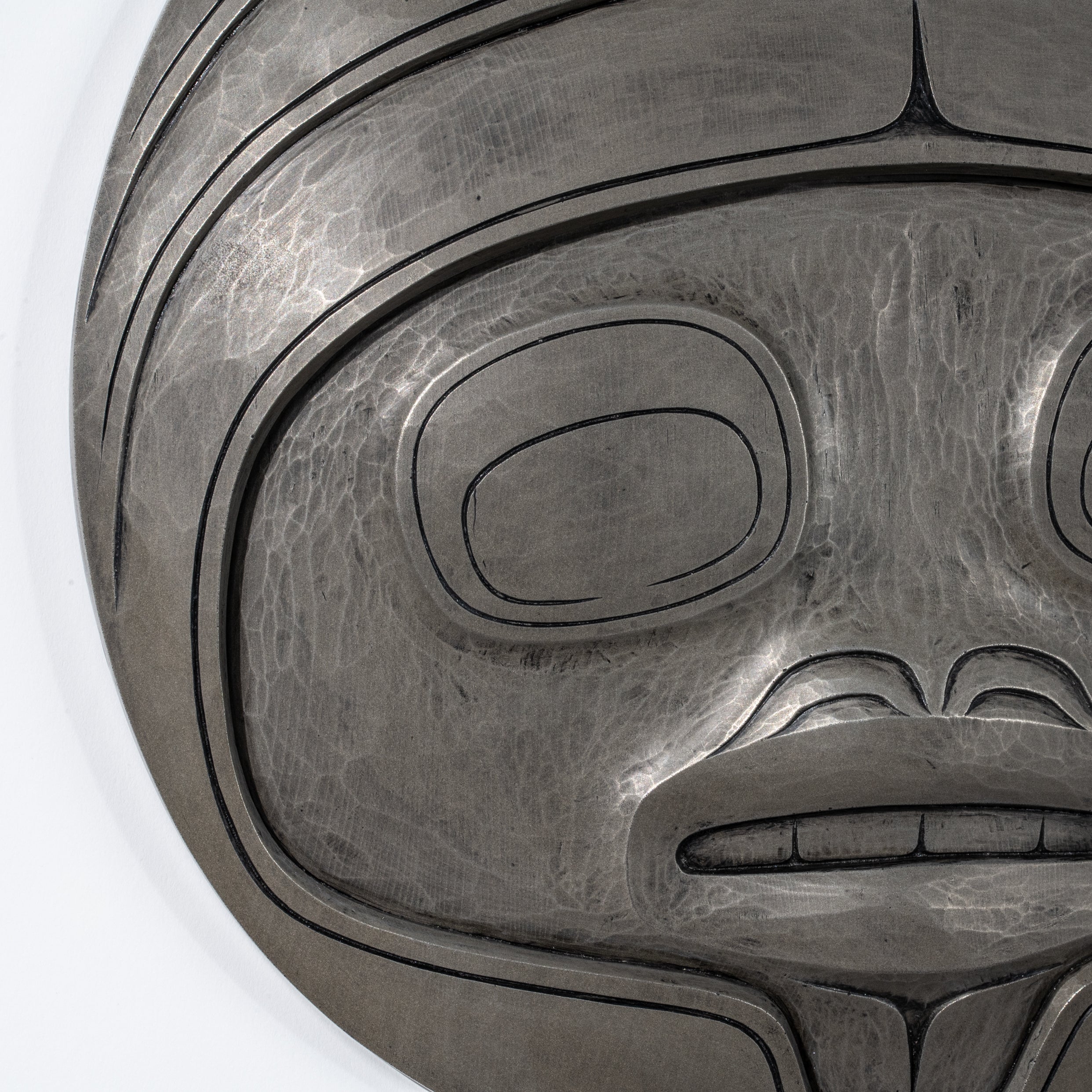
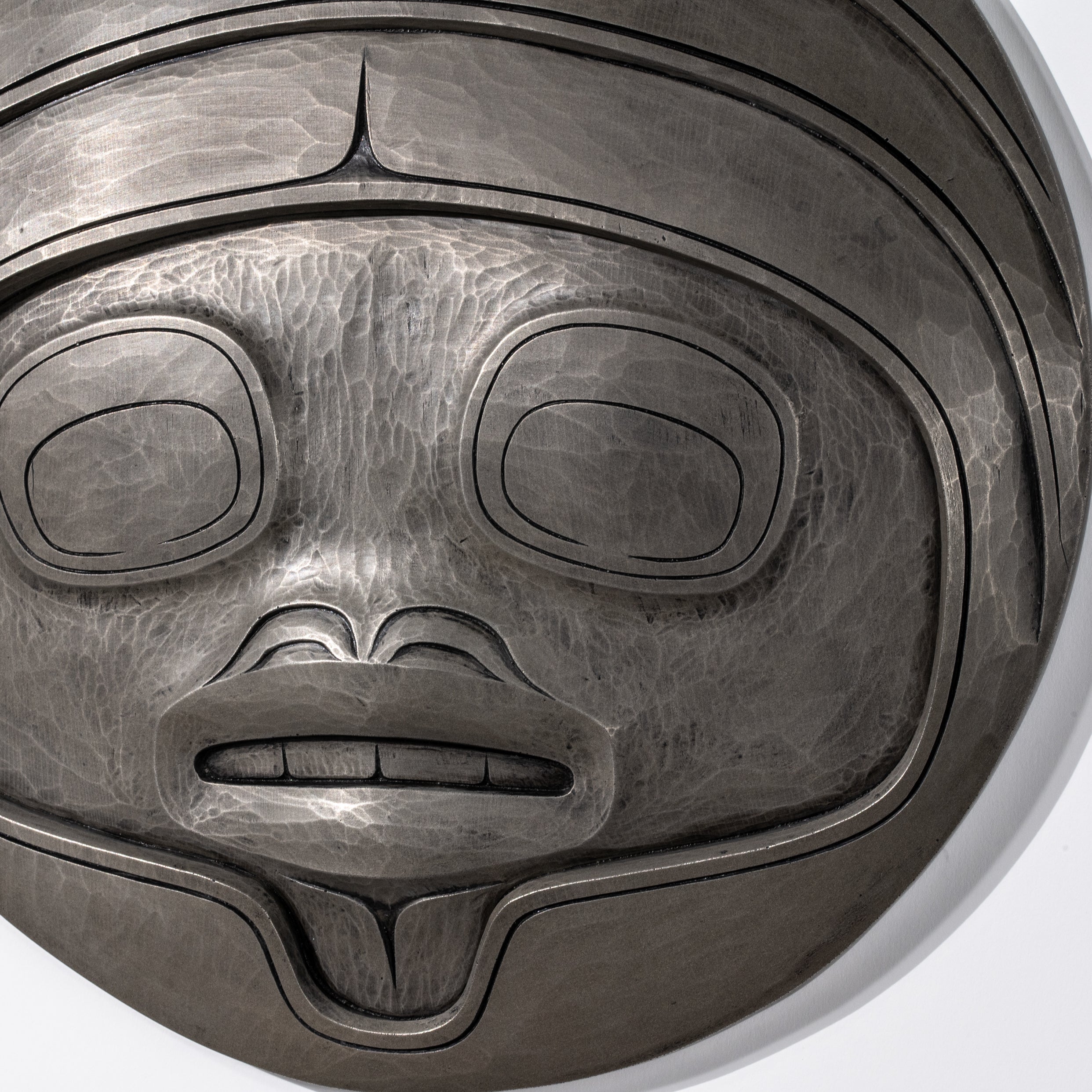
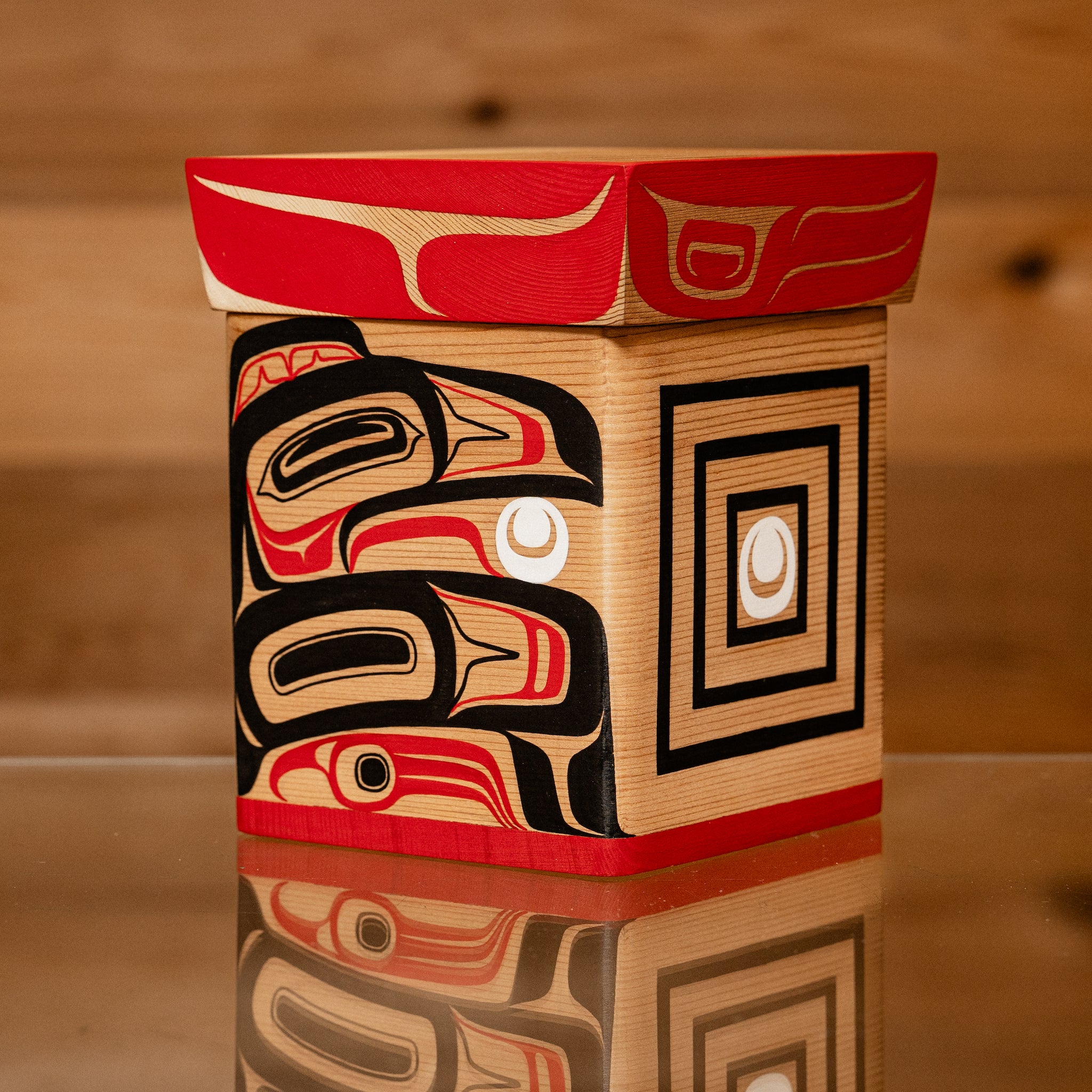
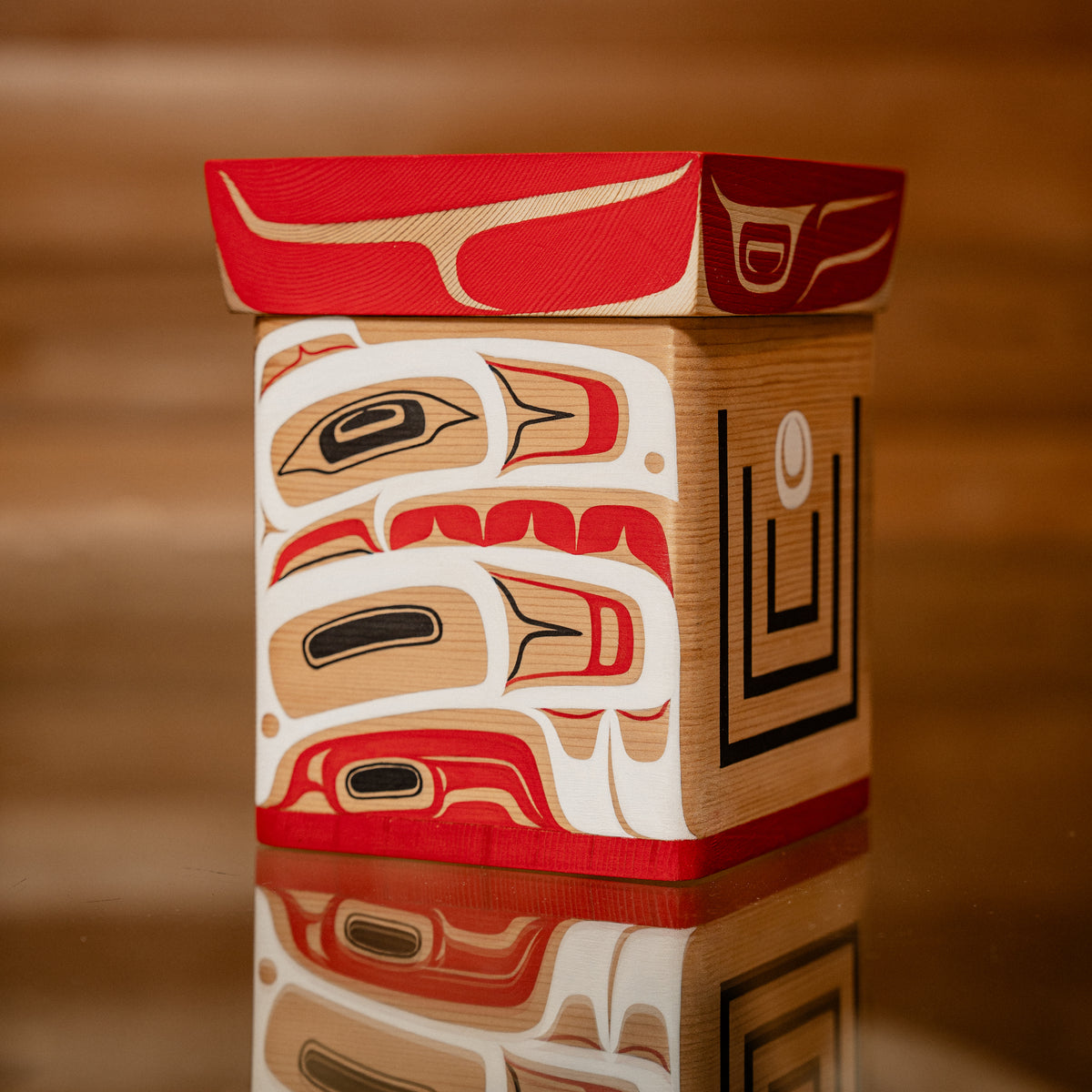
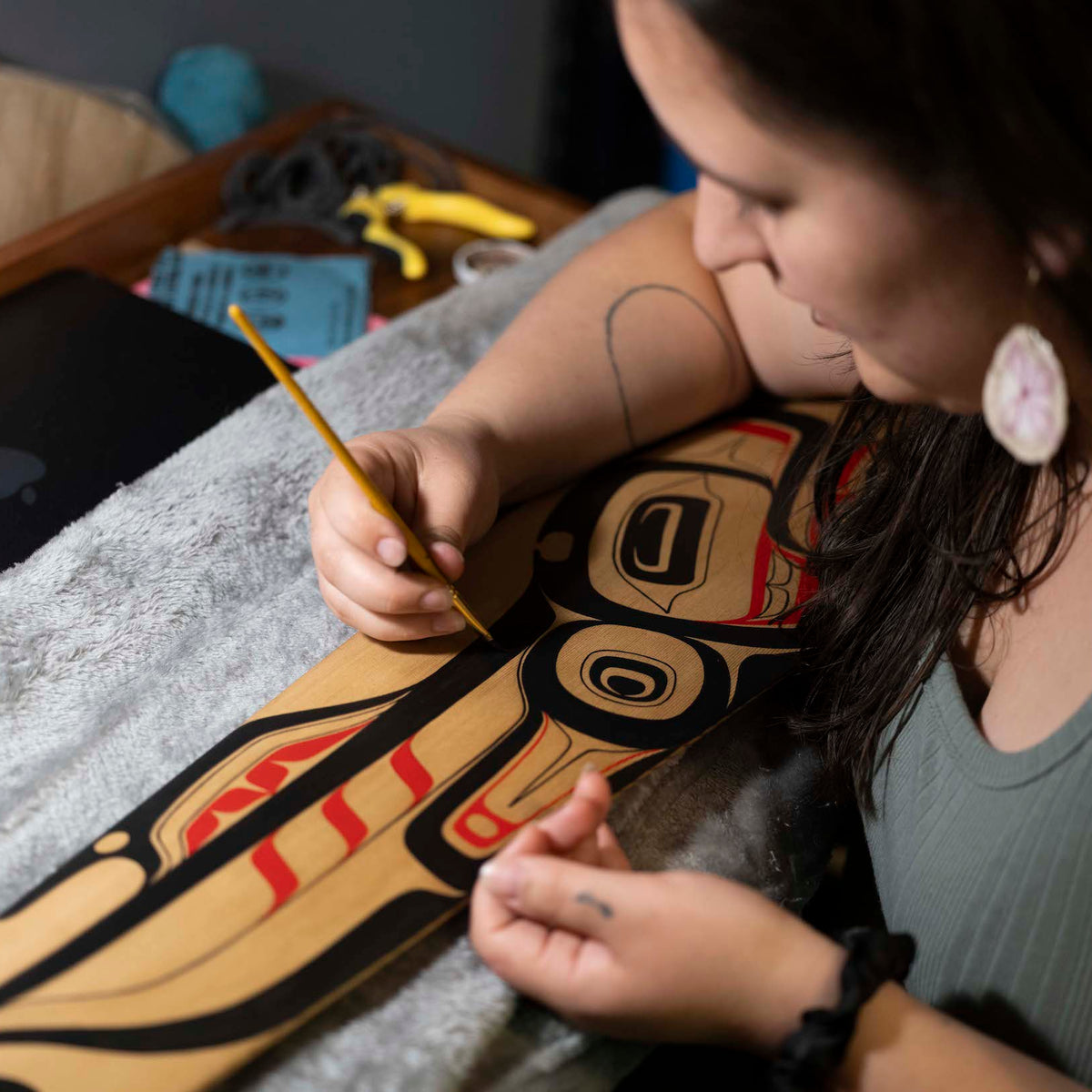
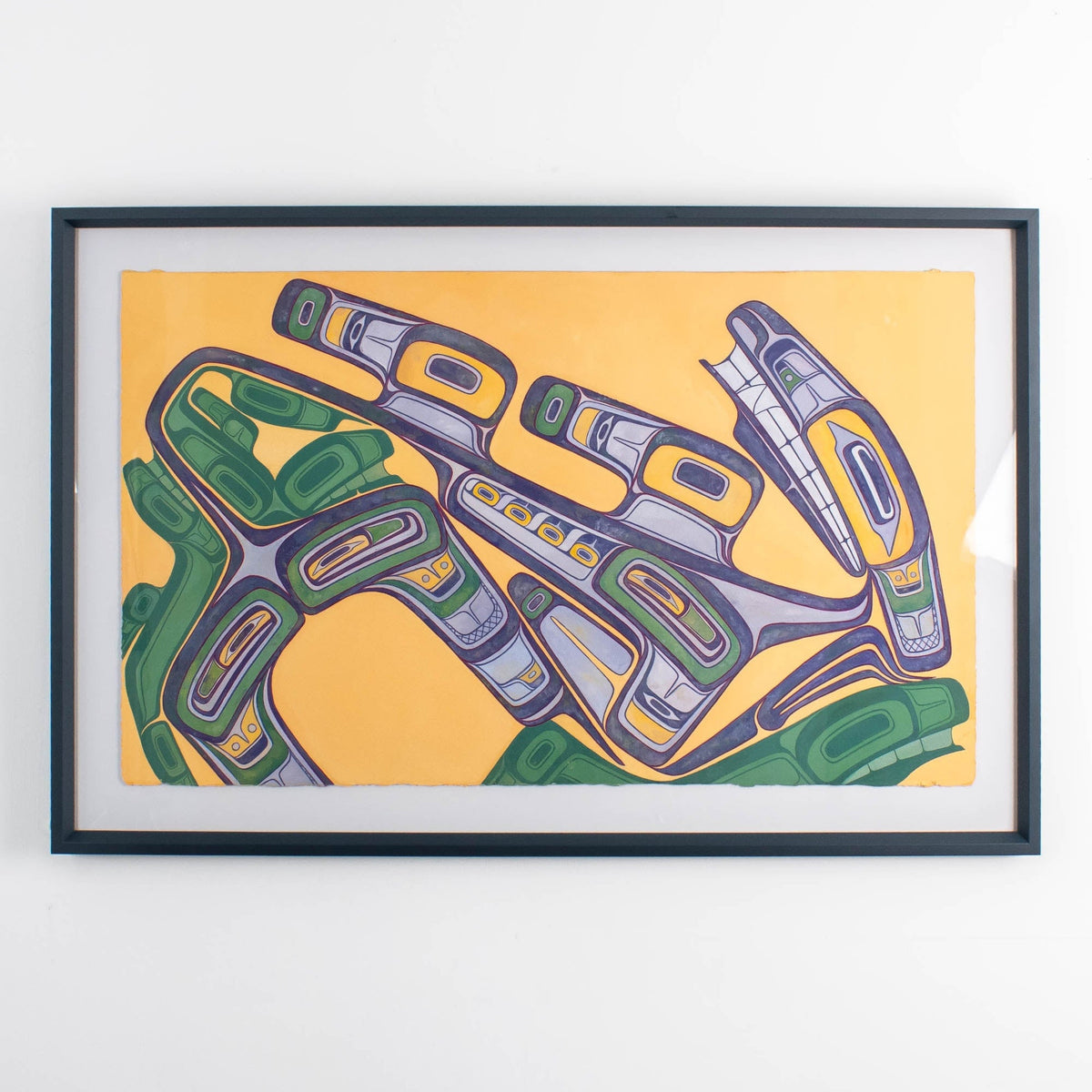
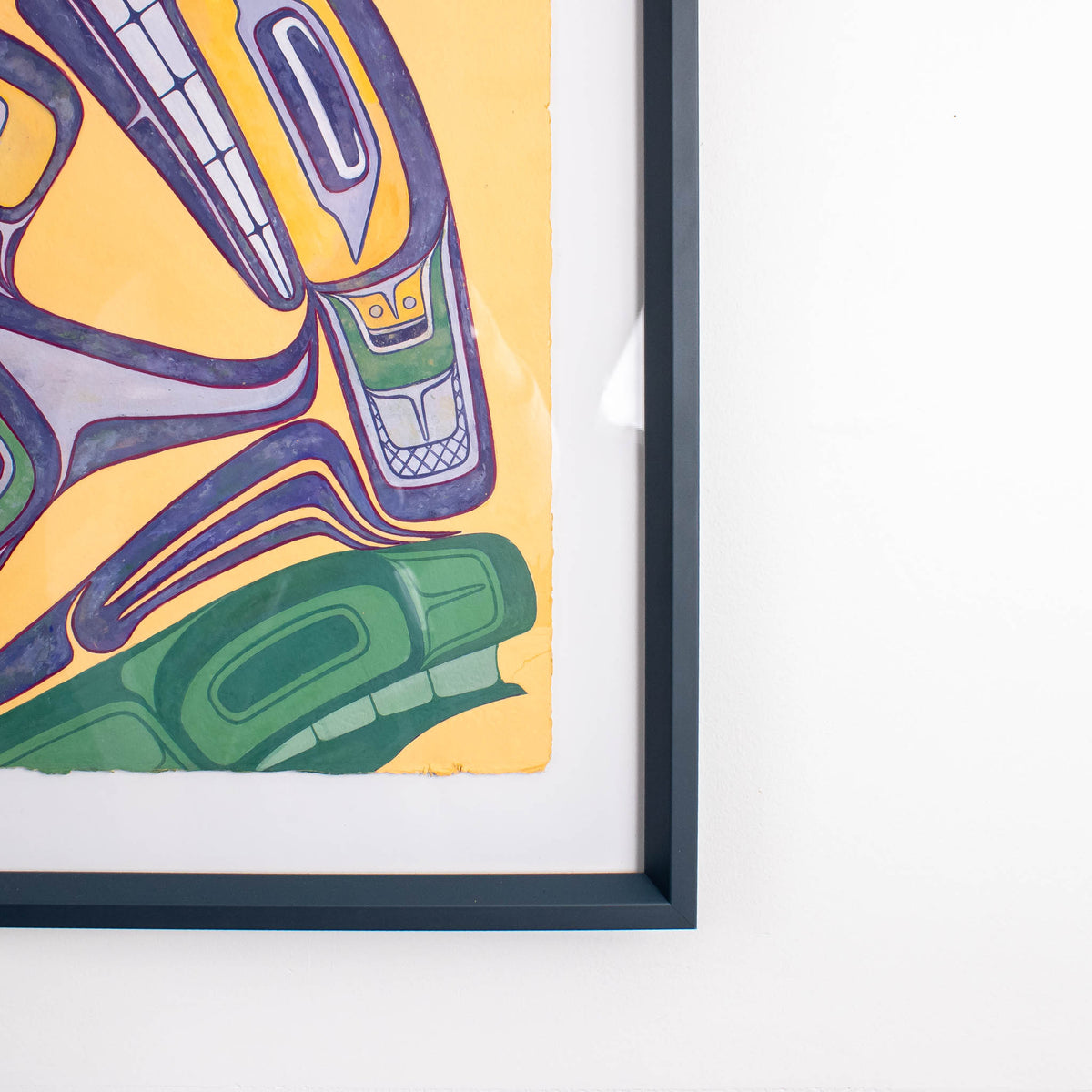
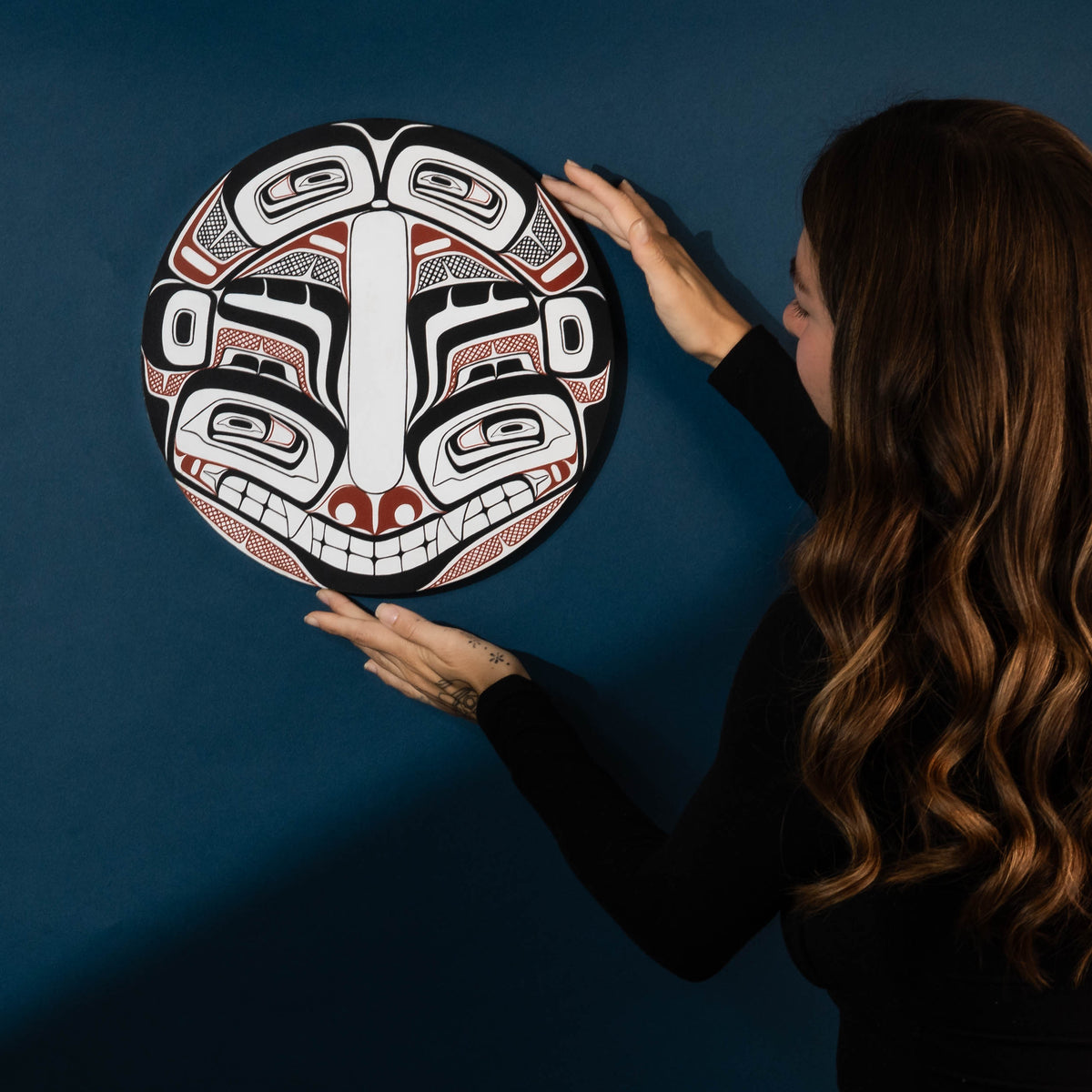
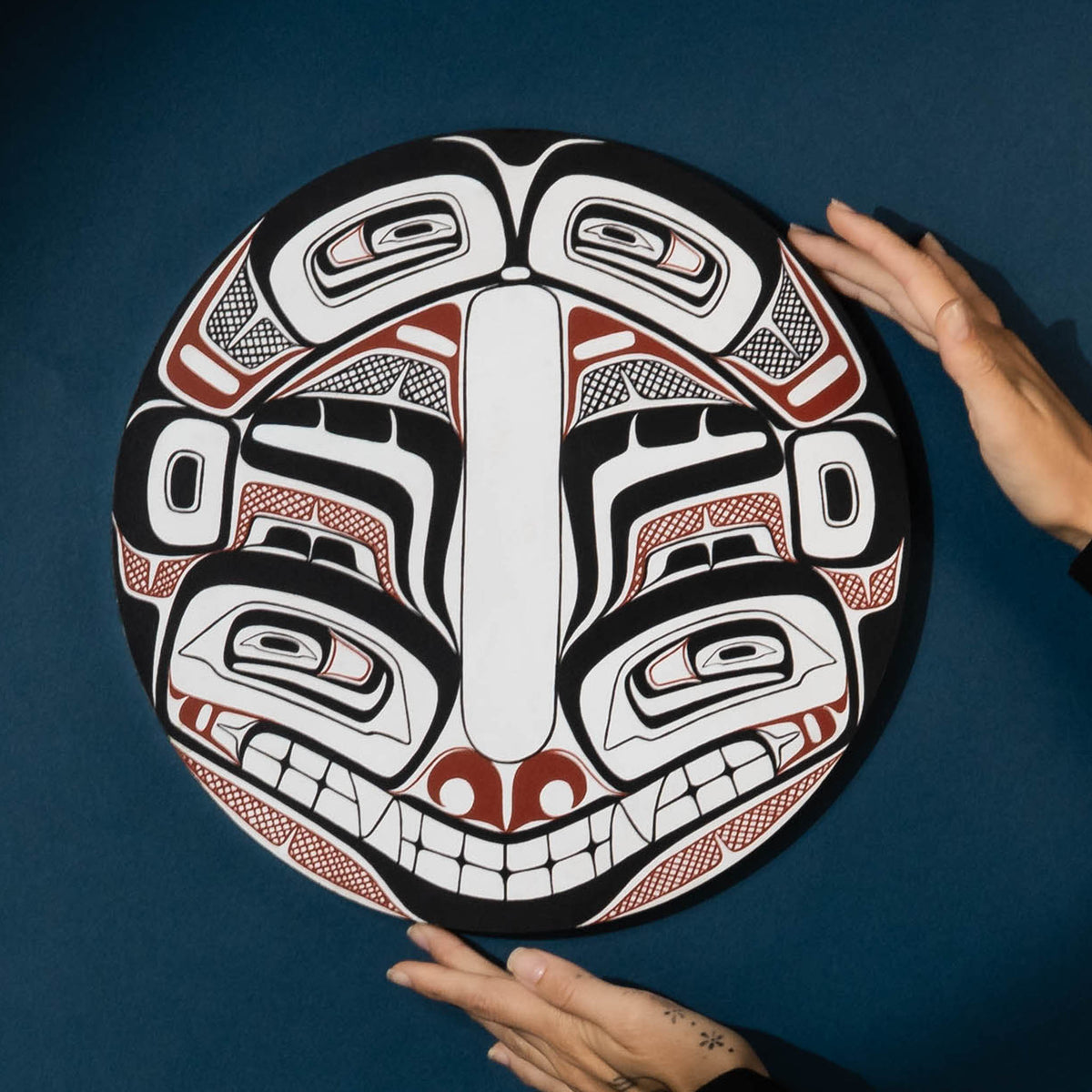
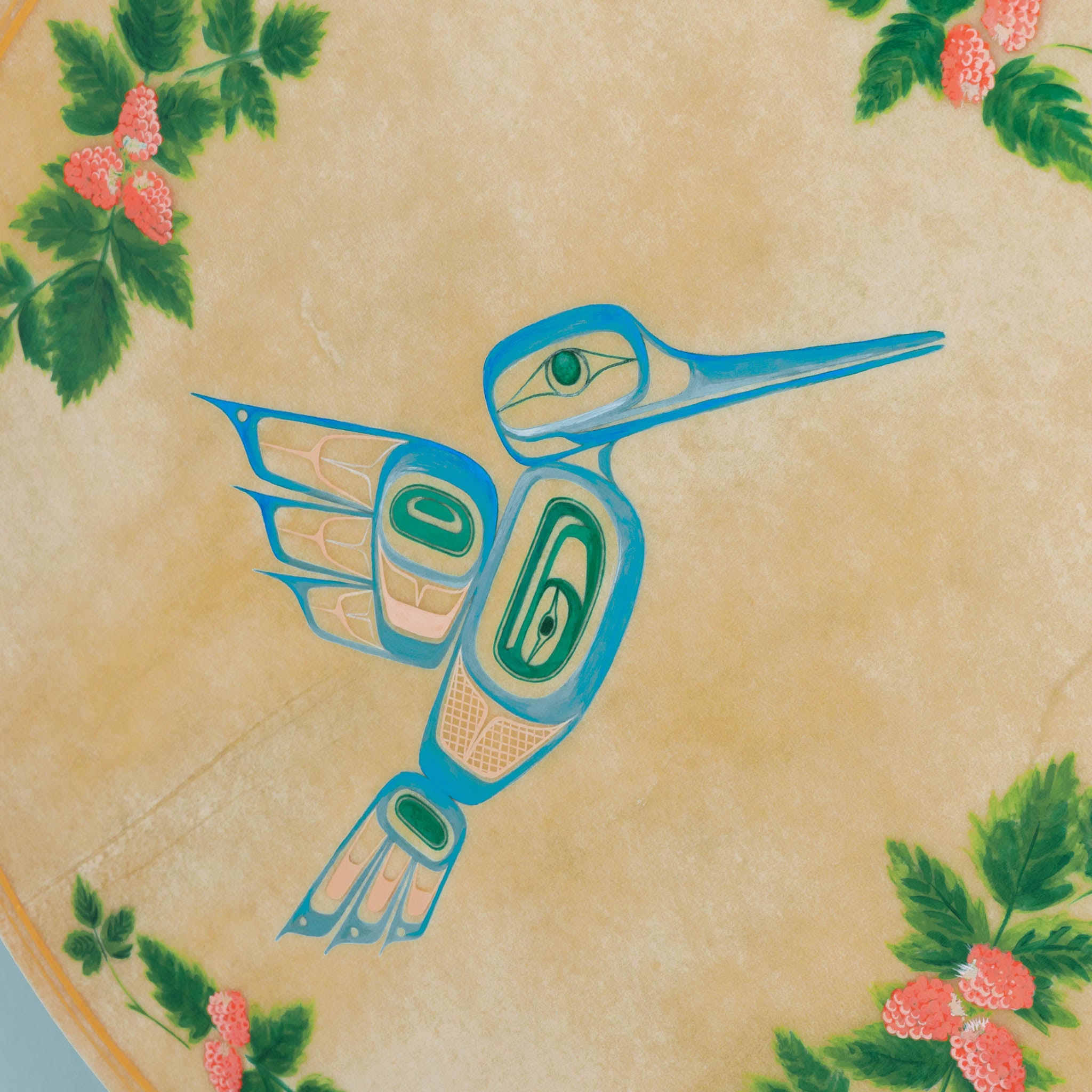
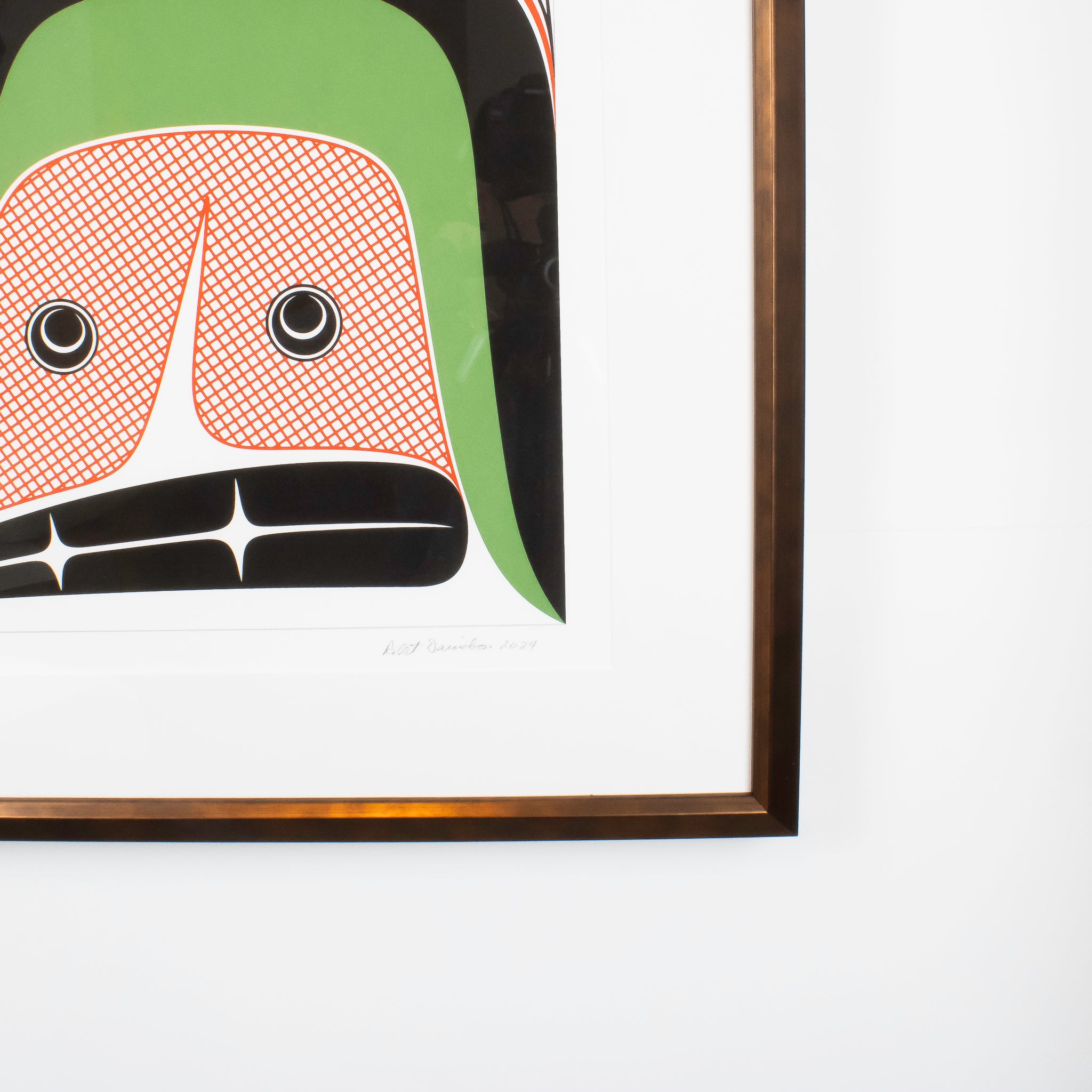
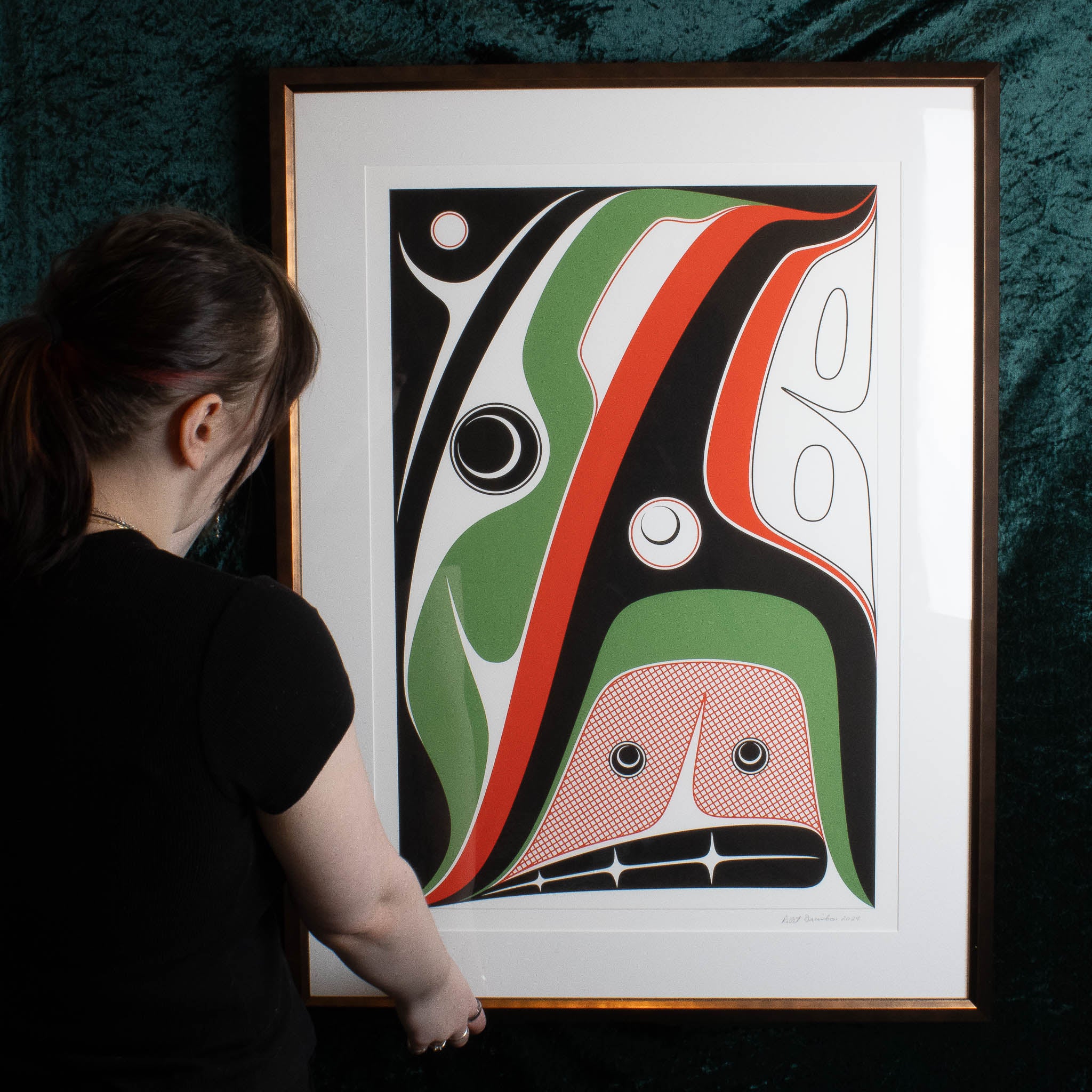
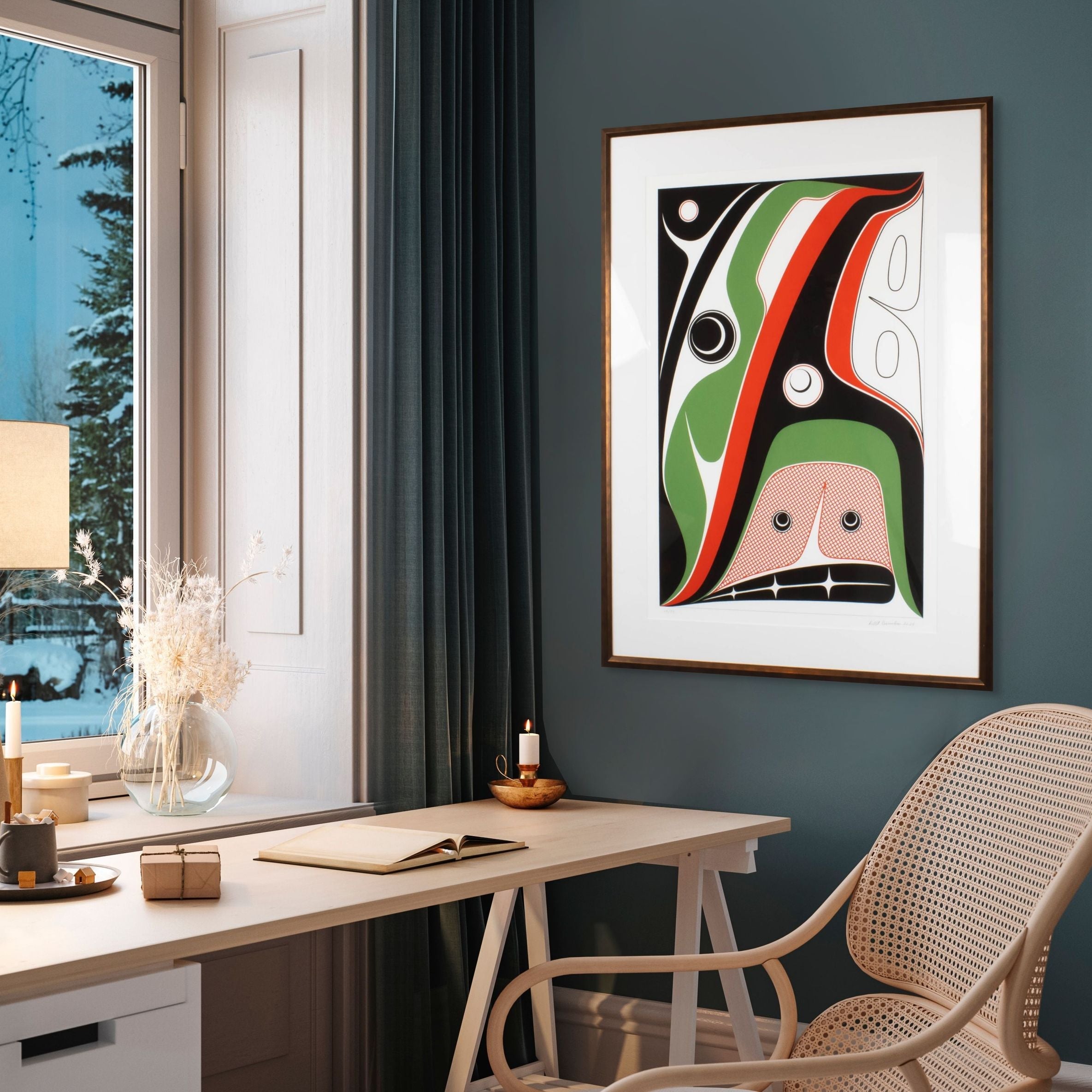
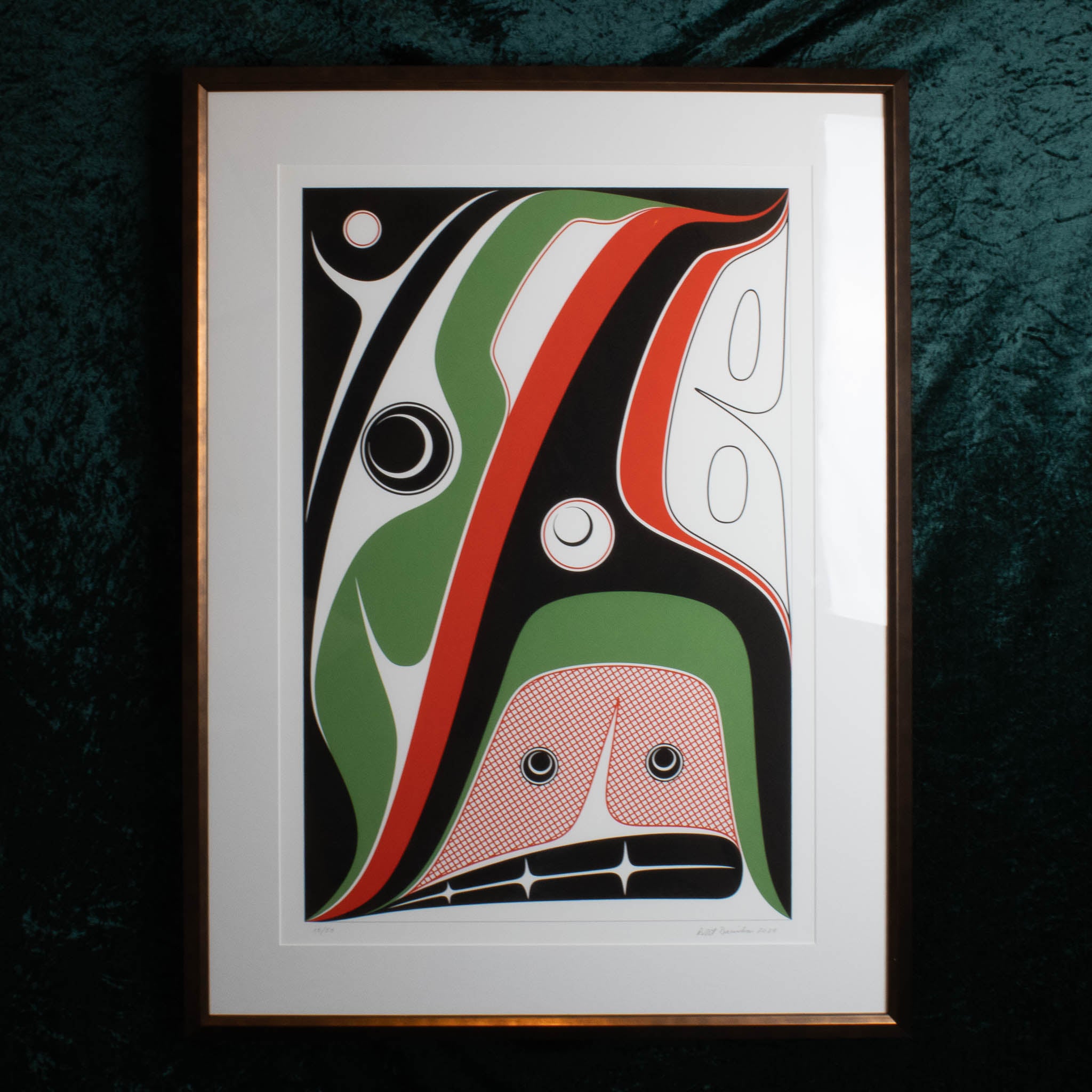
In his book from 2022, Echoes of the Supernatural, Robert Davidson describes Haida formline as a language, and each component of formline as letters in the alphabet. In this way, formline can be understood as the visual representation of the Haida language, used to communicate, document, and tell stories - both from the past and present. Within Haida formline Davidson denotes four main design elements, being the tri-neg (t-shape), ovoid, split-u, and s-shape. These shapes, the main building blocks of Haida formline, can all be present in a singular design, but sometimes not all elements appear as well.
It's said that a Haida artist must practice formline shapes for over 10,000 hours to get to the next level of their artistic journey. Although the shapes can be individually identified and have names, focusing on their individual shapes alone would miss their true purpose, which is to work together in unison to create flow and balance. Similarly, following the golden ratio in design, together these shapes create the perfect visual image, often only accomplished by those with an advanced command of this art form.
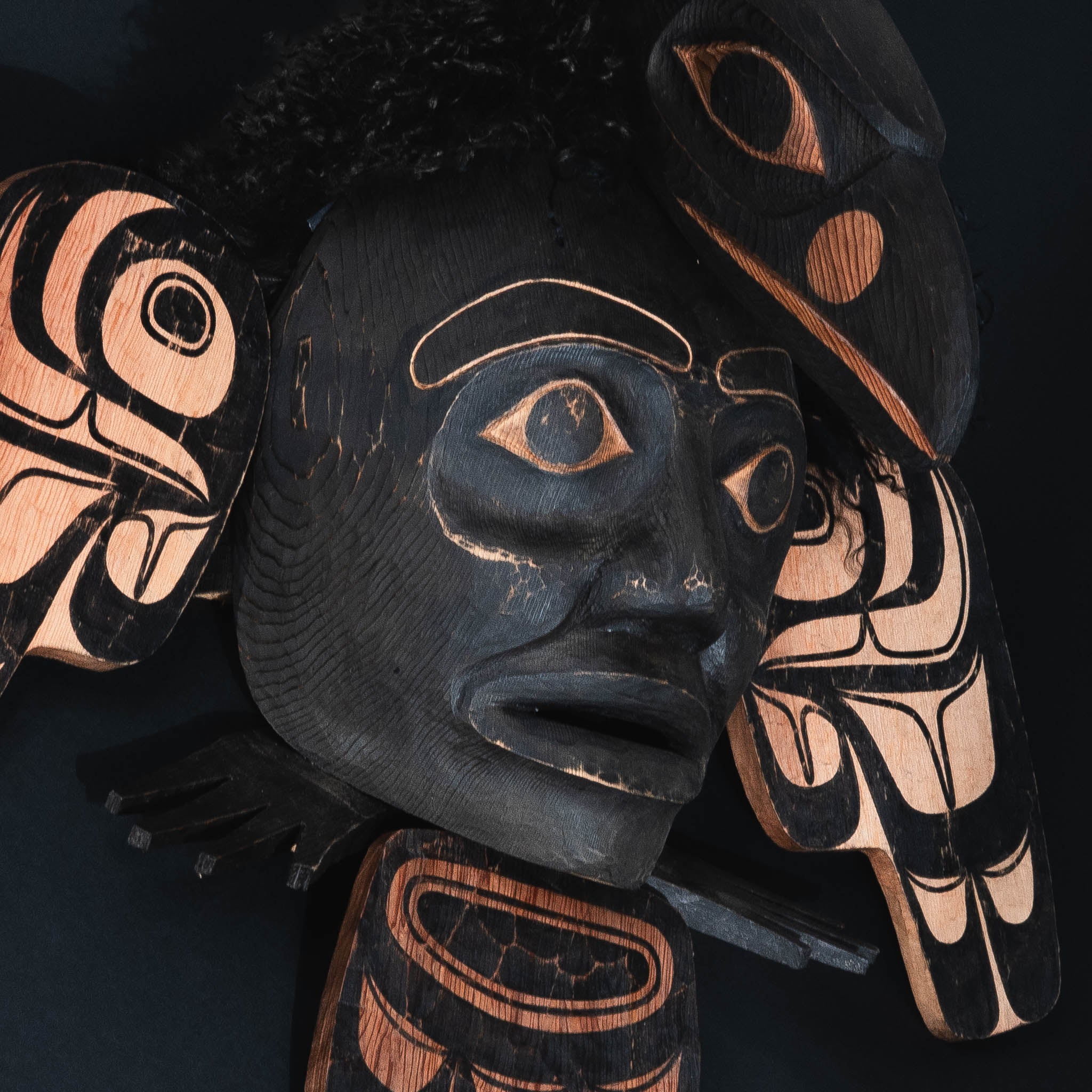
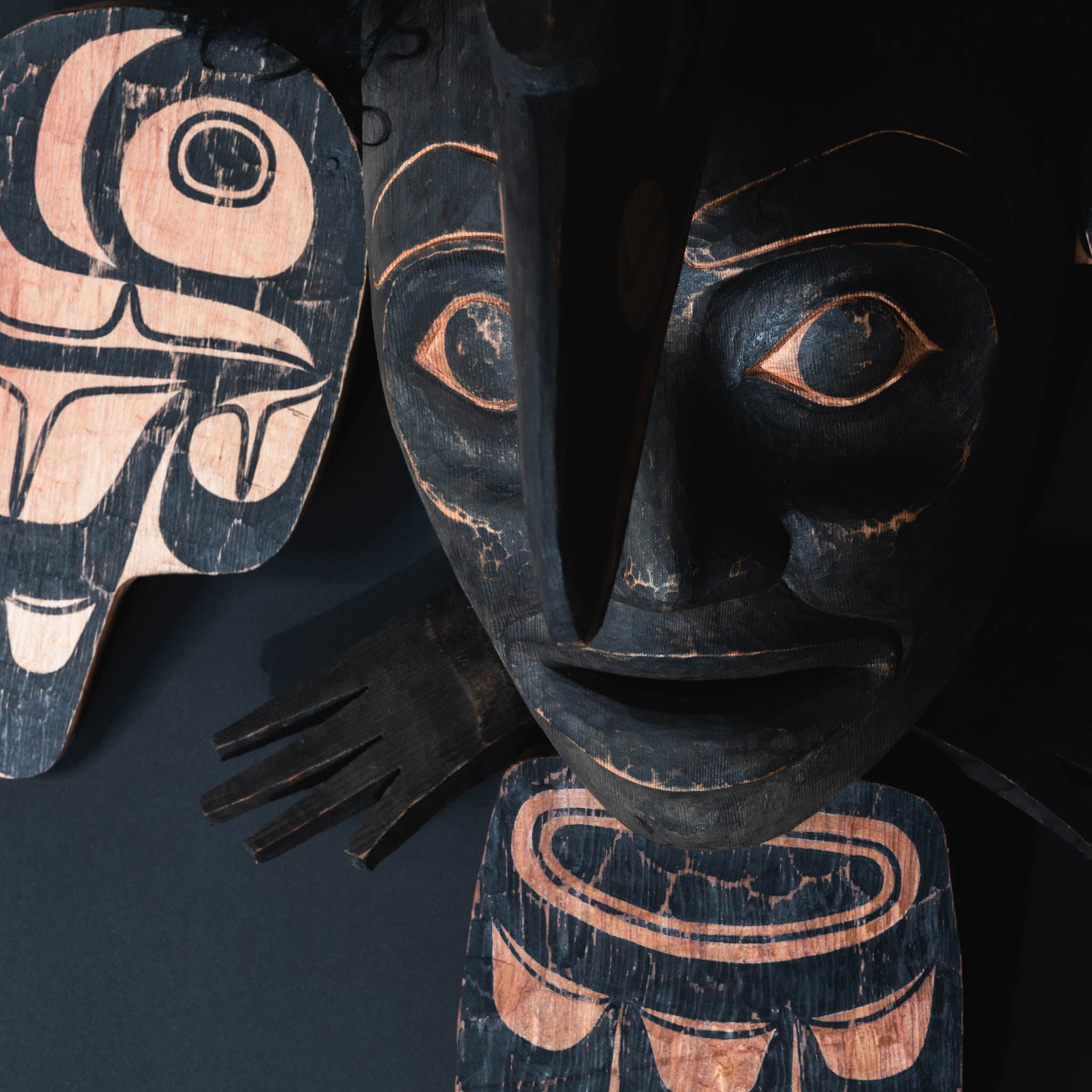
It's said that when looking at Haida formline art, if the eye naturally moves around the whole artwork, the design goal of movement has been accomplished. Formline is often referred to as a 2-dimensional art form; however, its end result, to create flow and balance, is similarly applied to 3-dimensional carvings and design.
An Art of Function & Beauty
In Haida culture, art is not understood as something separate from daily life, but as an integral way of expressing knowledge, identity, and relationships. As Haida artist Gwaliga Hart reflects, Haida visual practice is deeply connected to land, language, and worldview—emerging from the lands and waters, and carried through Xaad Kíl, the Haida language, which holds a rich visual vocabulary embedded in how the world and objects within it are described.
This understanding challenges Western notions of “art” as a distinct category. Within the Haida language and worldview, there is no direct equivalent for the term, reflecting instead that visual expression is inseparable from language—a way of communicating that exists across all aspects of life.
This perspective is shared across many Northwest Coast cultures, where art is both functional and communicative. Objects were not created solely for aesthetic purposes, but to carry stories, generational lineage, and cultural knowledge. Totem poles, for example, use crests and figures to document family histories, clan stories, and encounters with supernatural beings and the supernatural world. Where paddles and bentwood boxes would carry designs that reflected their purpose, communicating their role in everyday life and to mark special occasions.
In this way, beauty and function are not separate ideas, but deeply interconnected as each object created serves both a practical purpose, both in its form of visual language and in its function that carries knowledge forward.
Types of Haida Art: Materials and Mediums
Traditionally, mediums used for Haida art corresponded to the materials that were readily available, such as wood, argillite, and items procured during trade, such as metals. Today, Haida art continues to evolve and adapt to new materials, technologies, and ideas. Yet, still rooted in the design fundamentals from which formline was created. Some more recent mediums of the Haida art form include casting at small and large scales, 3D printing, sandblasting, and digital design.
Argillite Carving
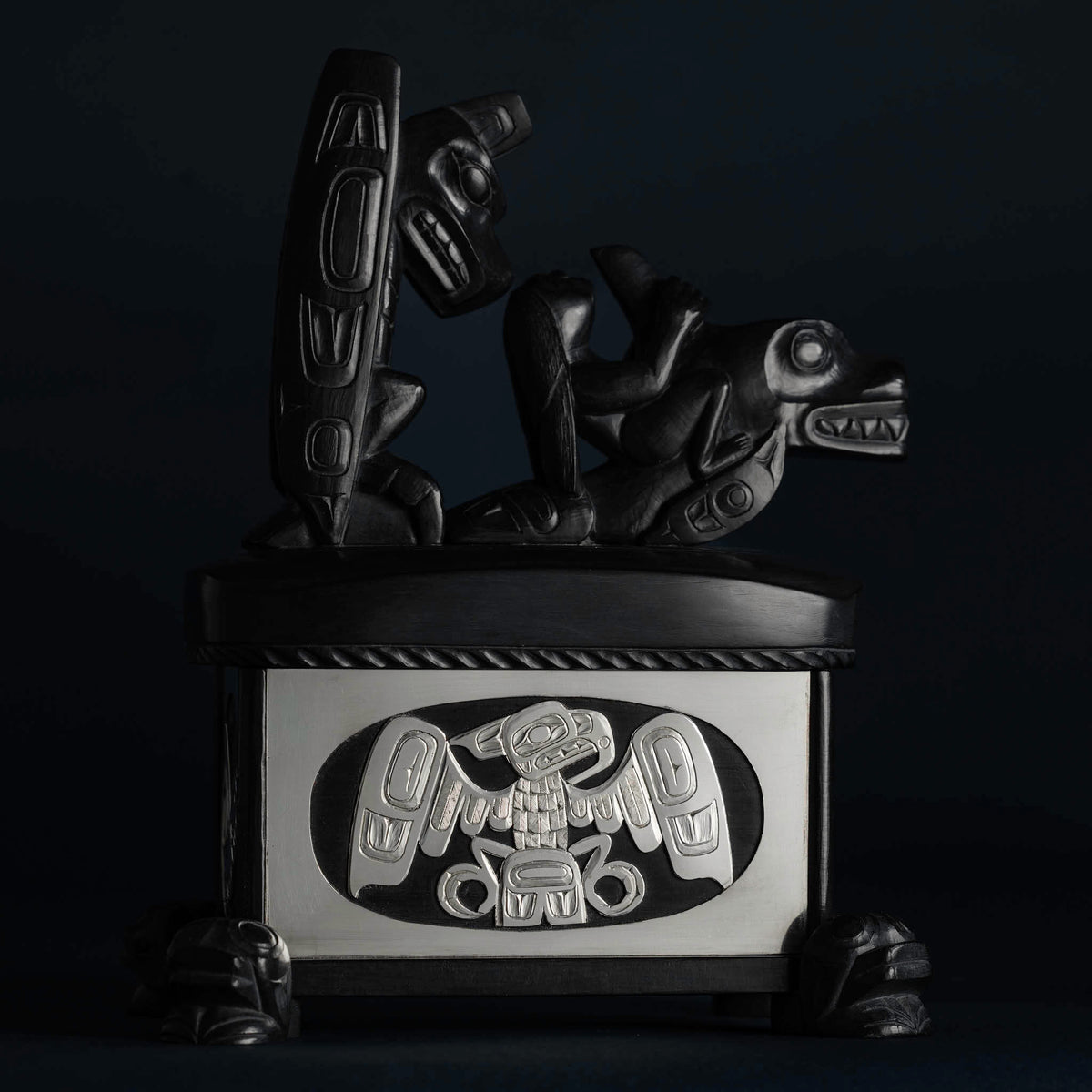
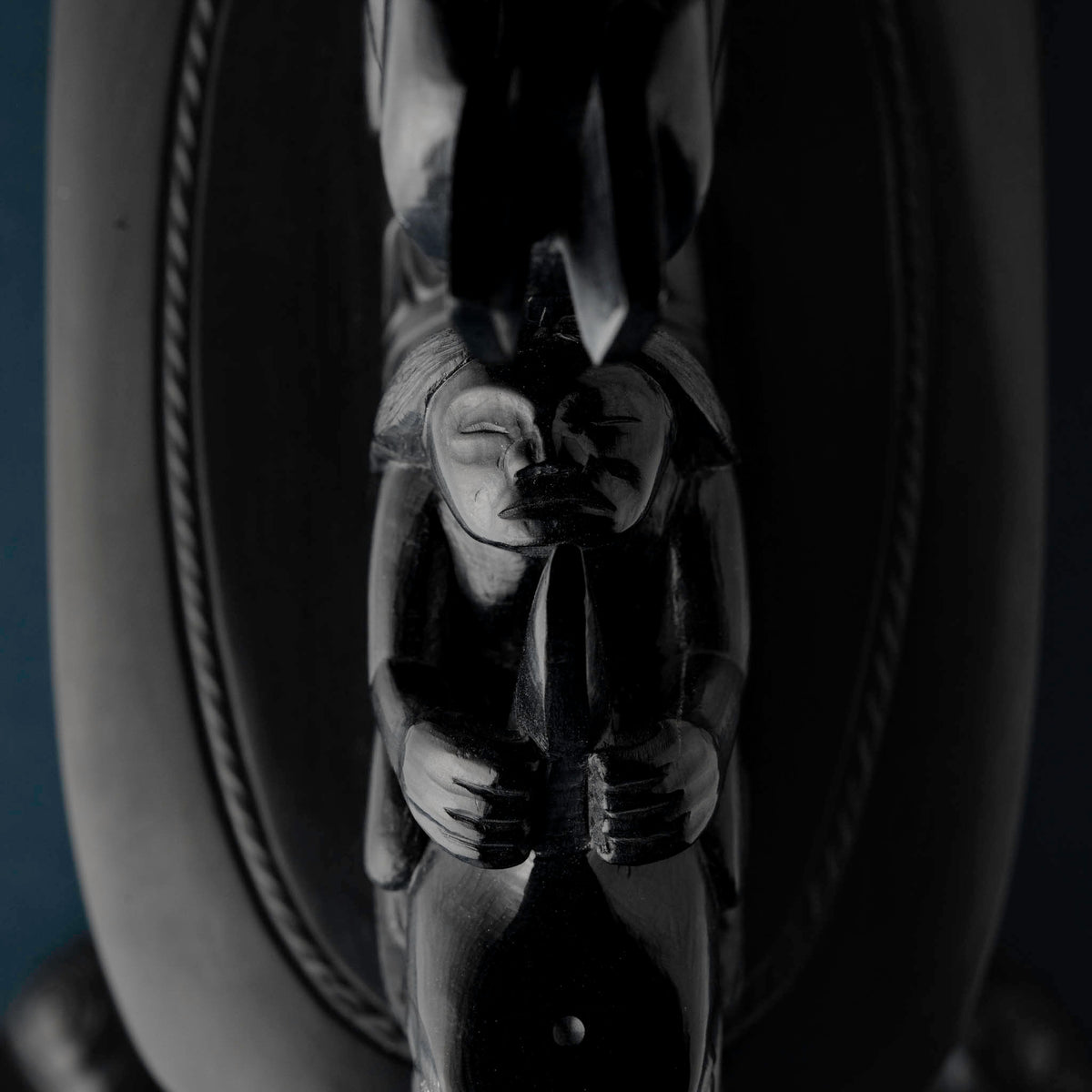
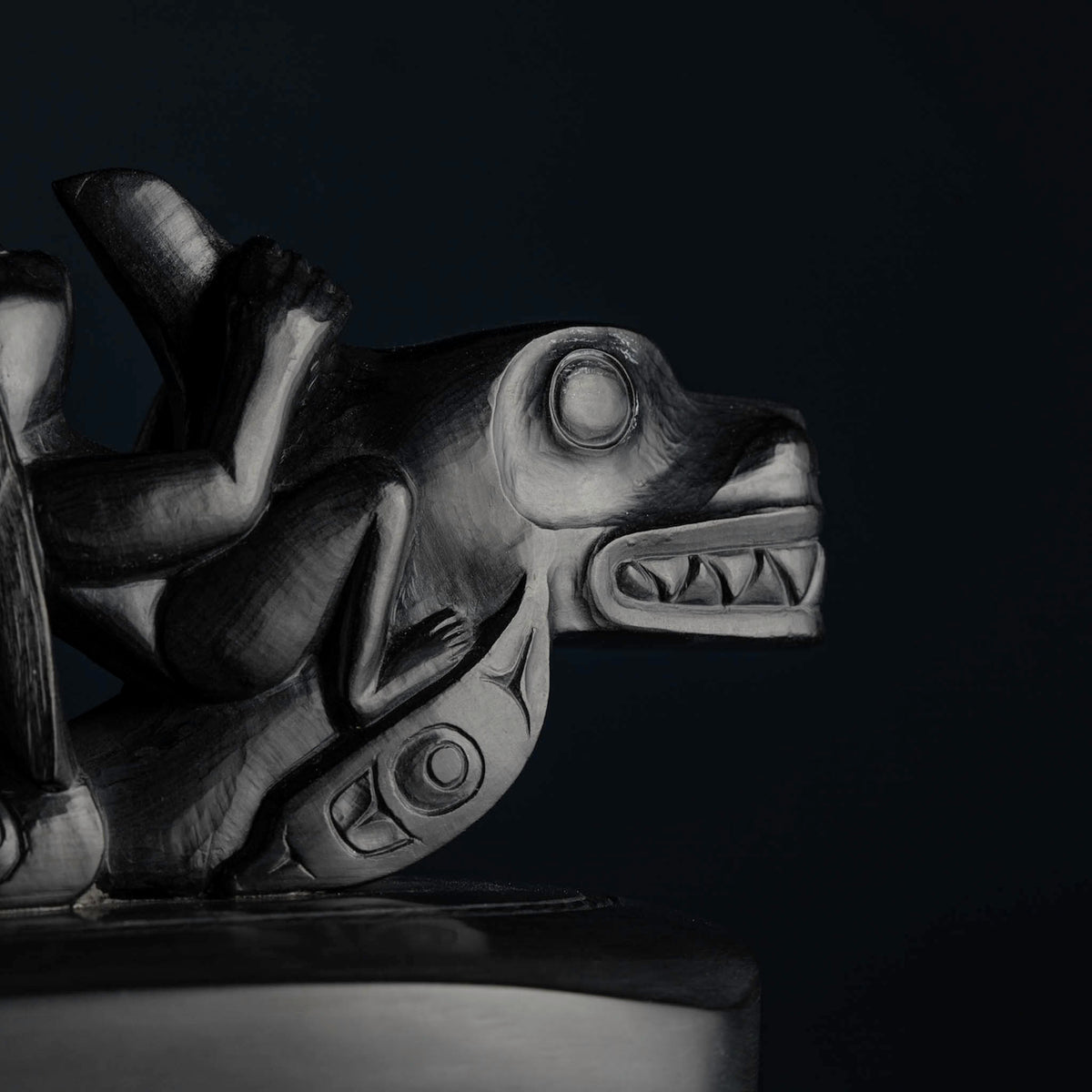
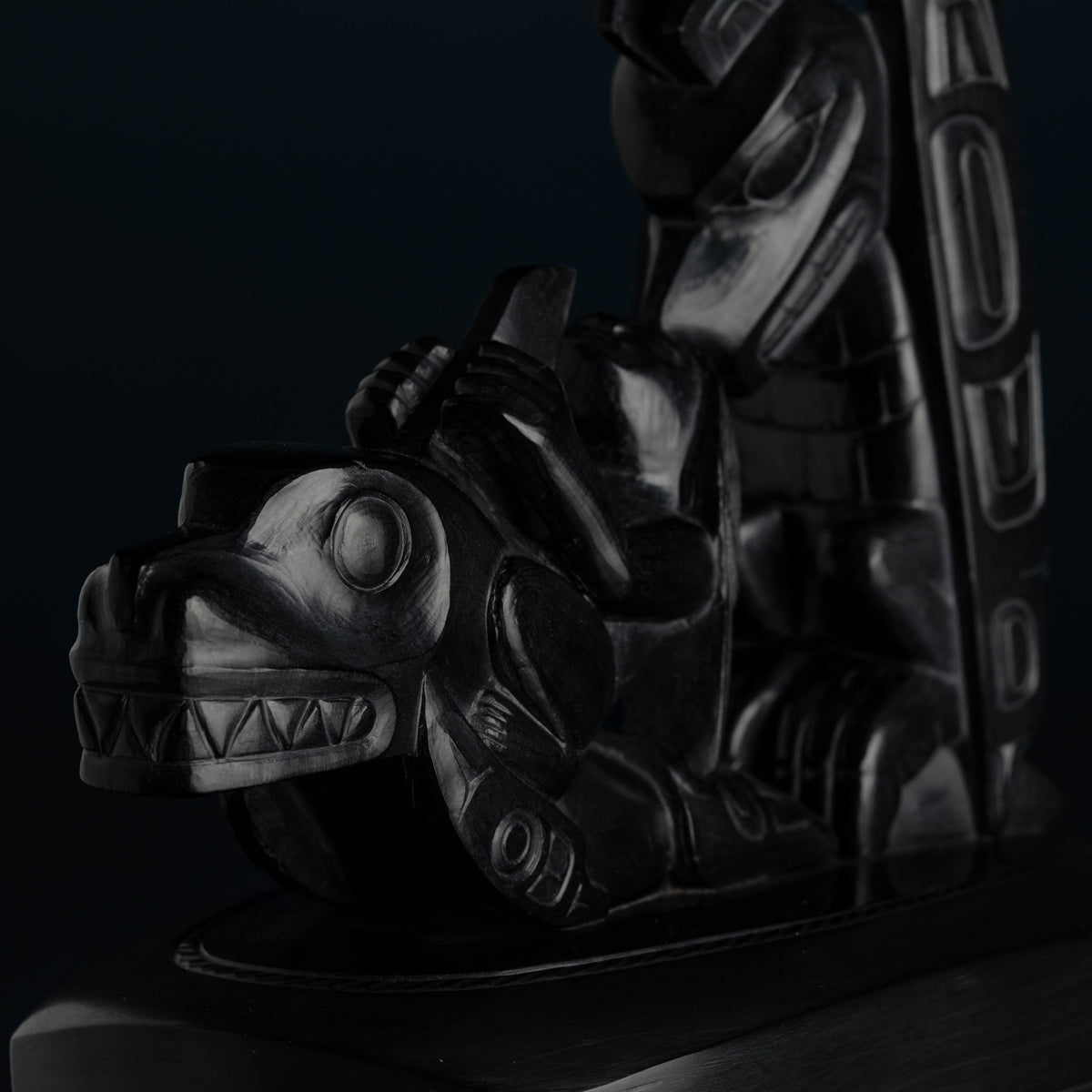
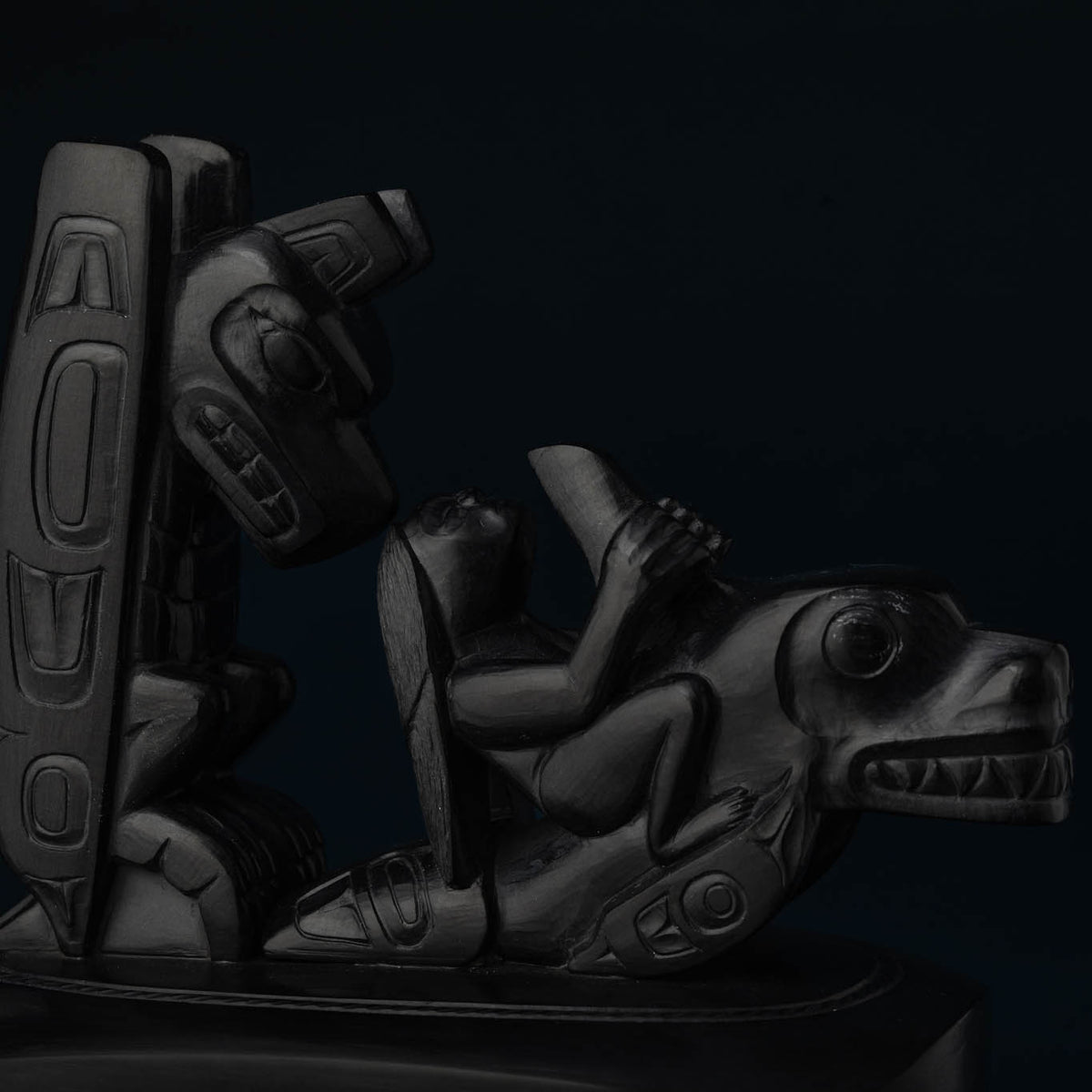
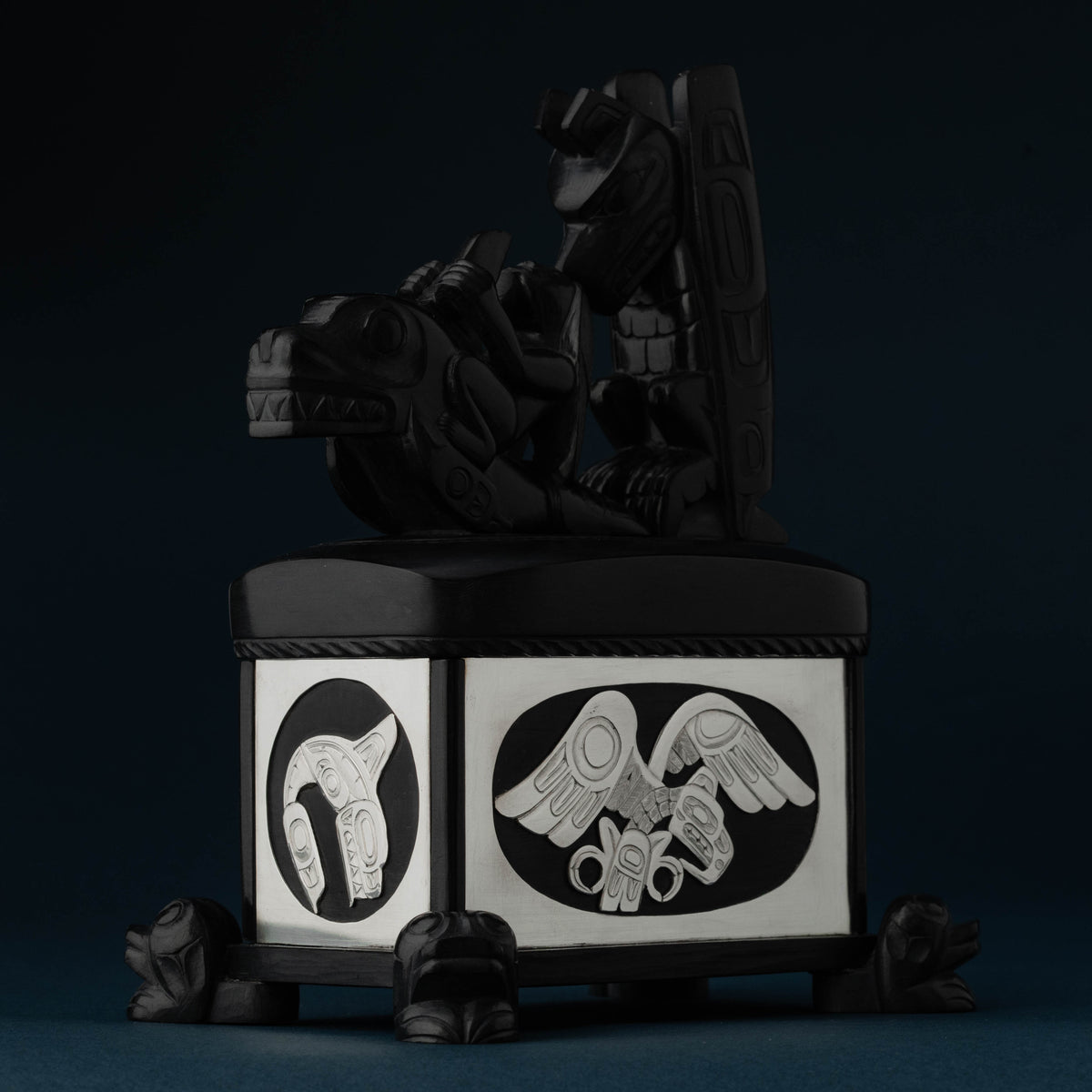
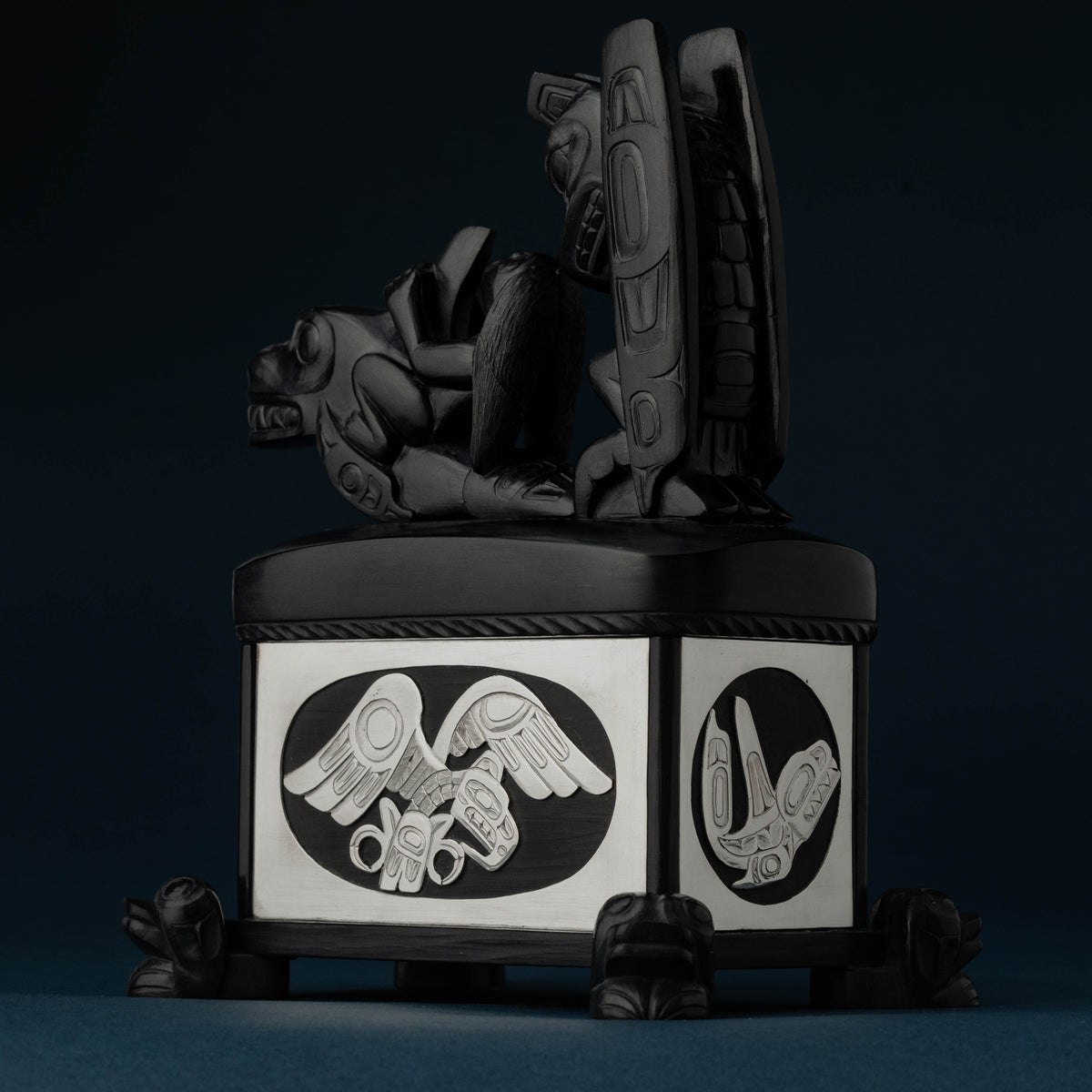
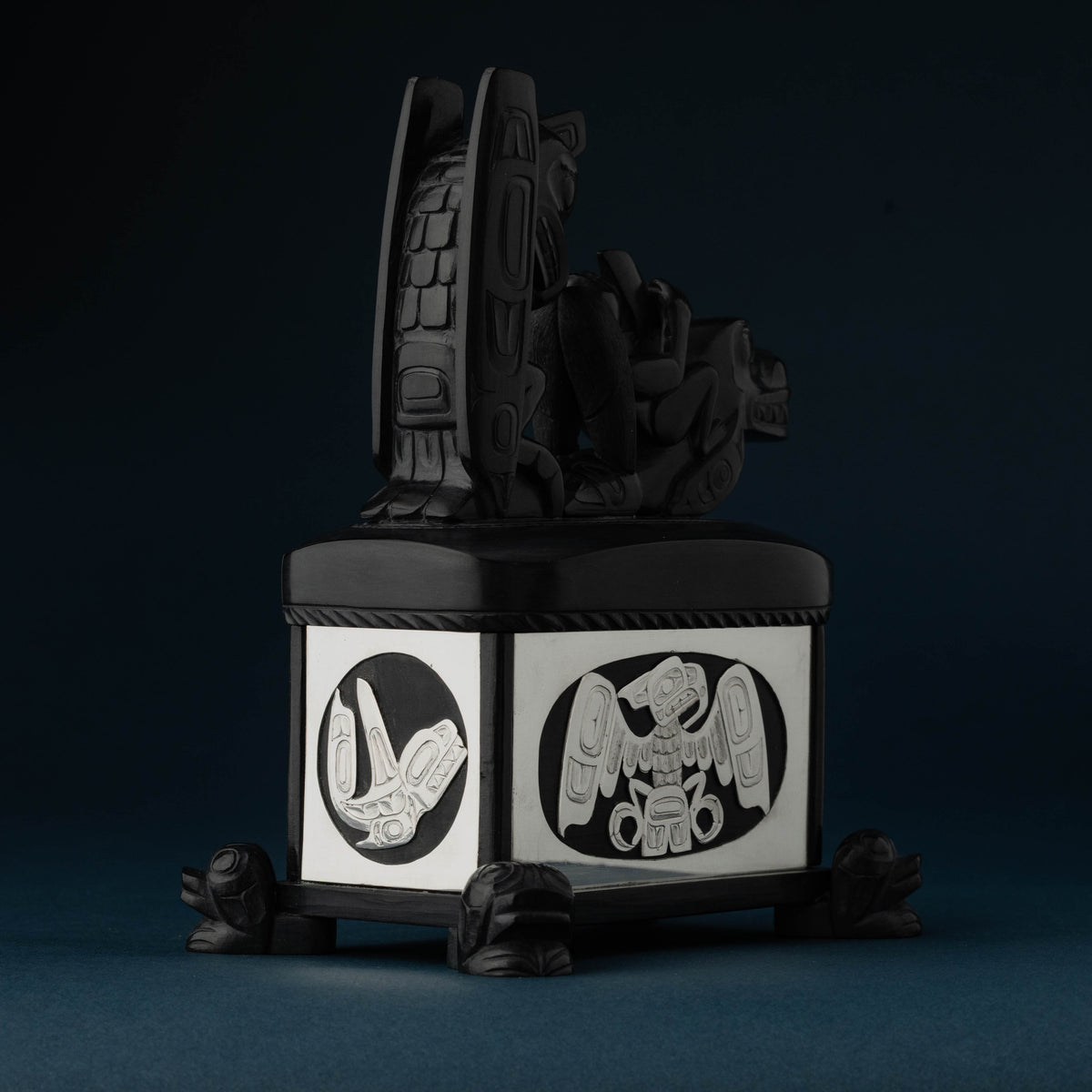
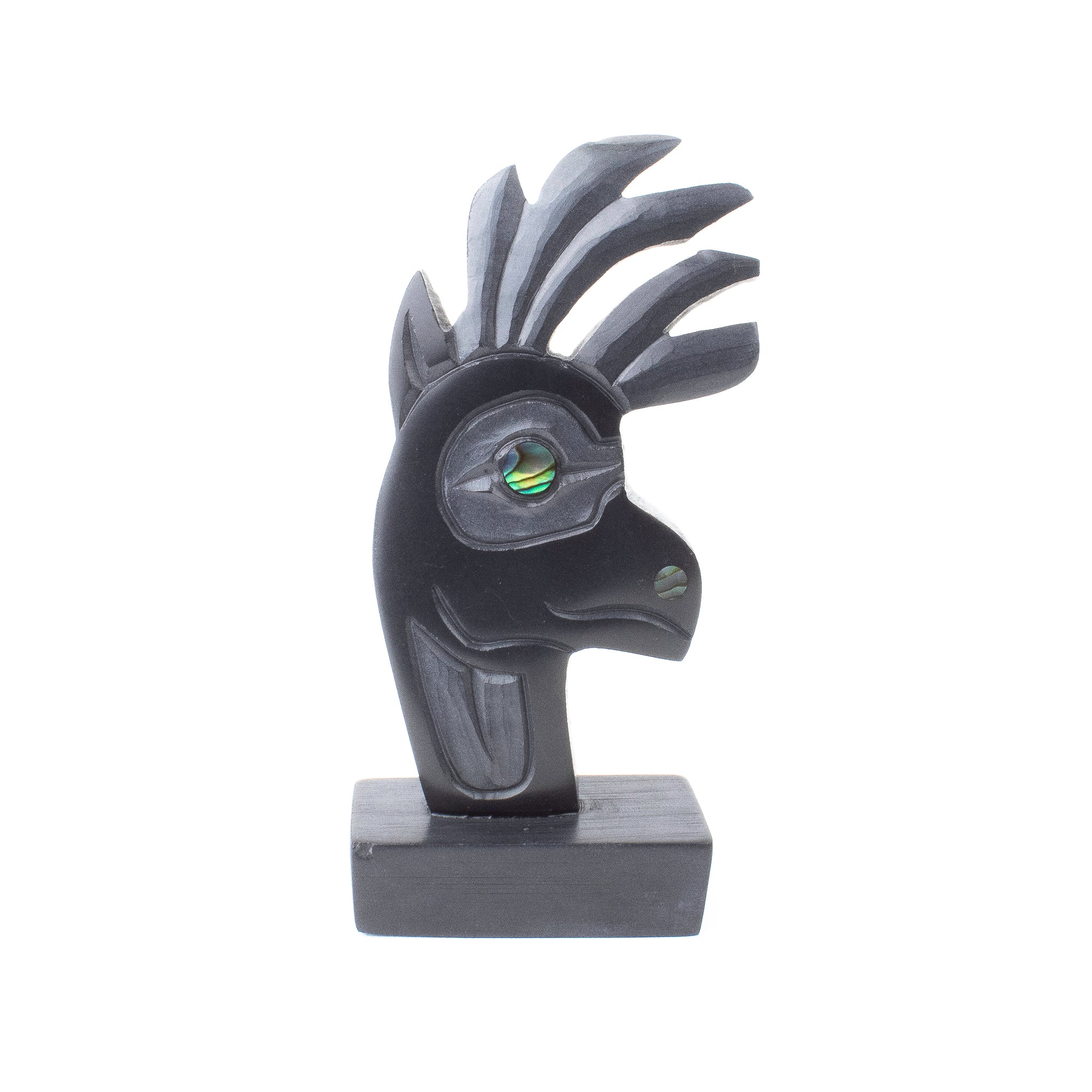
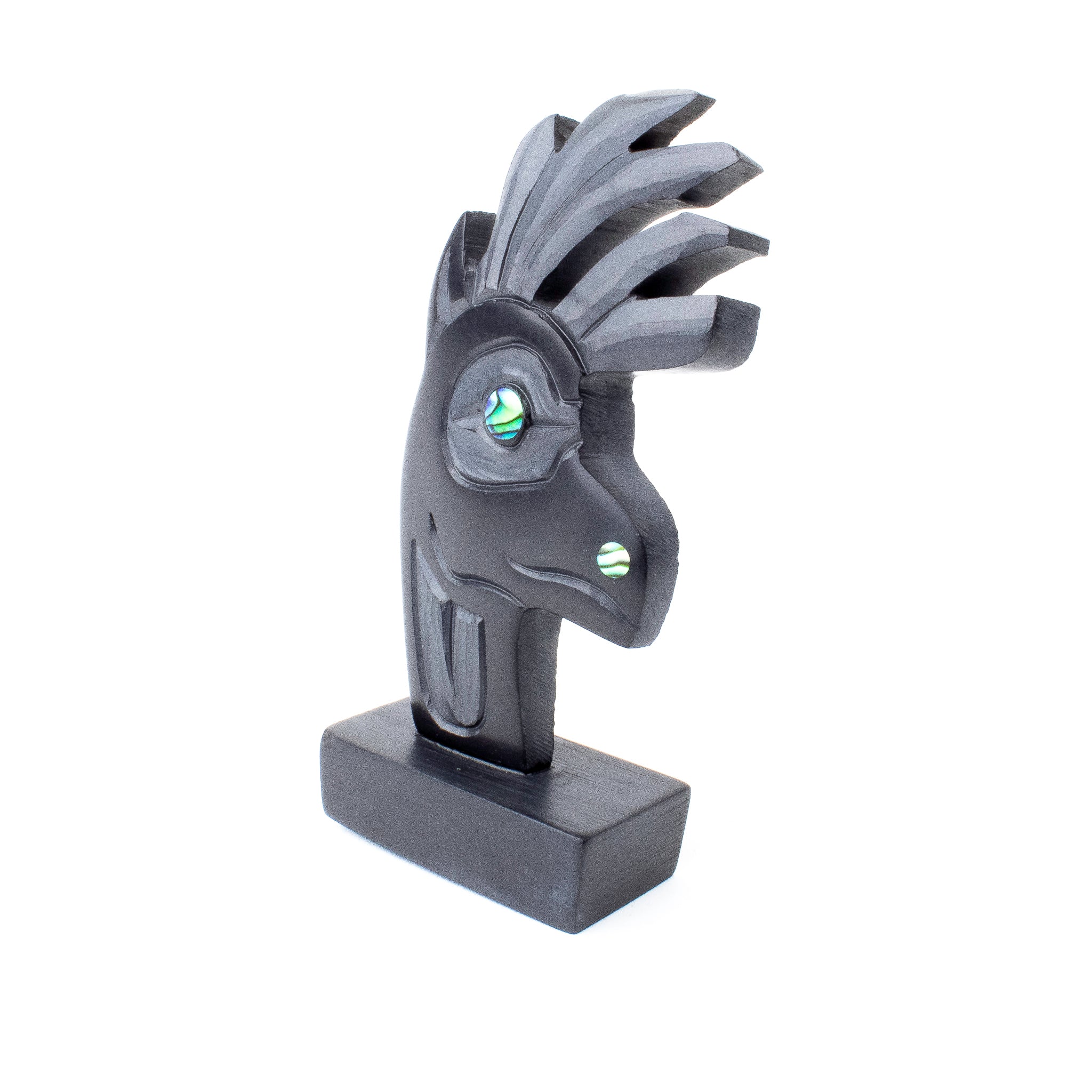
Argillite, a carbonaceous slate found on a single mountaintop on Haida Gwaii, is a material long coveted by Haida artists. The elaborate Haida argillite carvings and sculptures are among some of the most distinctive and highly sought-after works from the Northwest Coast.
Known as Kwaa HlGahl, this unique black stone originates from Slate Chuck Mountain near Skidegate and has been used by Haida carvers for generations. Historically, argillite held deep cultural significance as early carvings included amulets bearing crests and worn for protection by SGaaga (medicine people).
Over time, the use of argillite evolved alongside shifting cultural and economic contexts. By the 19th century, Haida artists began producing works for trade, including Victorian-inspired objects such as pipes and tableware, followed by carvings depicting European figures like ships and sailors. Later, artists returned to more explicitly Haida narratives, creating intricate works that depict ancestral stories and Supernatural beings on model poles, bowls, and platters—pieces that continue to be highly valued by collectors and cultural institutions today.
Metal Jewelry
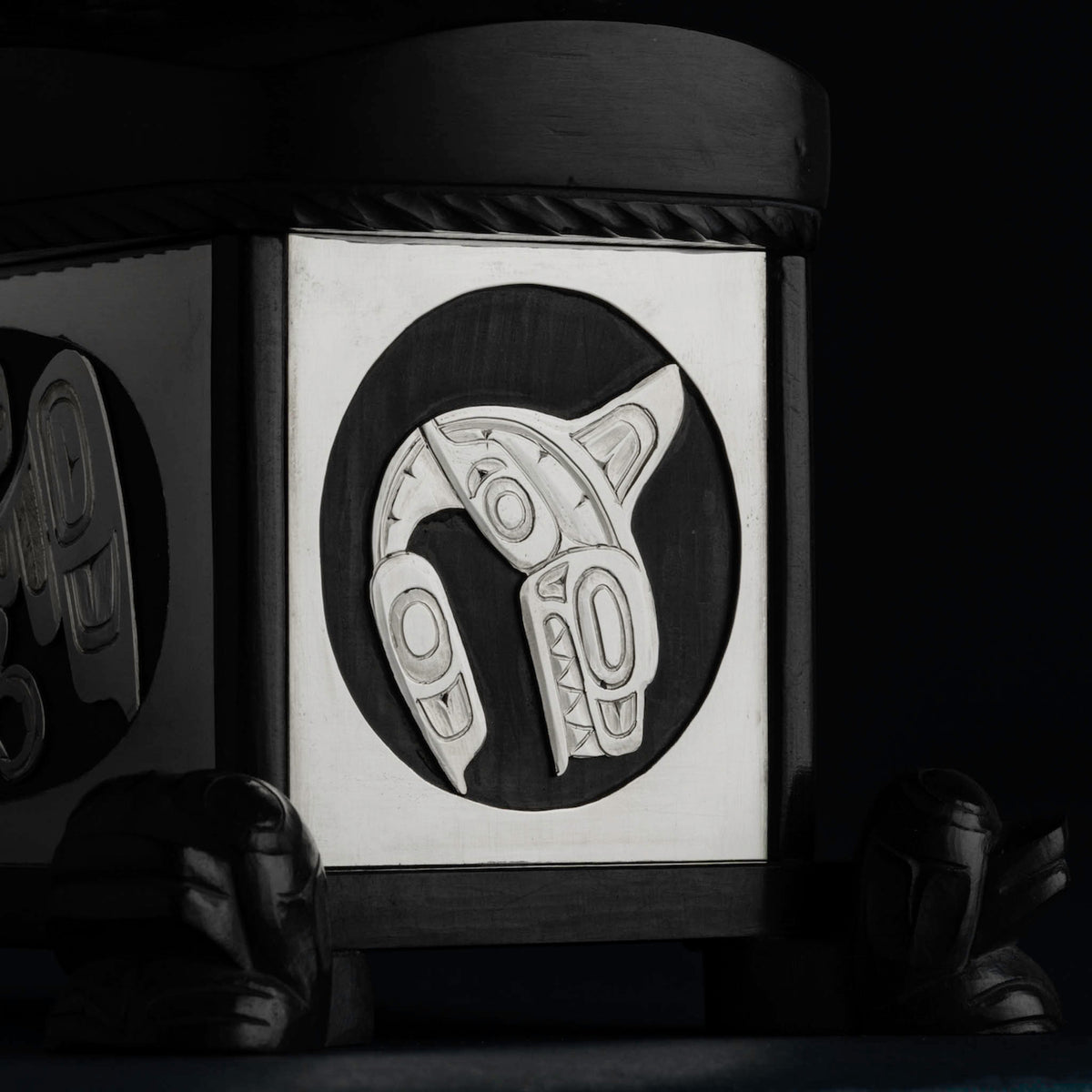
Metal jewelry engraving emerged out of a time of resistance. In the past, tattooing was commonplace as a way for Haida people to document their crests, clan and family affiliations. As the practice of culture was outlawed in the dark period, during the Potlatch ban of 1884 to 1951, everything from potlatching to speaking the Haida language, along with tattooing, was deemed illegal. As an act of resistance, Haida artists found a way to continue the representation of crests and clans, having them engraved on metal jewelry, such as wide cuff bracelets, a way to continue the practice of tattooing, using a new medium, within the rigid rules put forth by the Canadian government during that period. Today, this act of resistance has evolved and made way for a whole new category of art - the creation of Haida jewelry in gold, sterling silver, and copper.
Limited Edition Prints
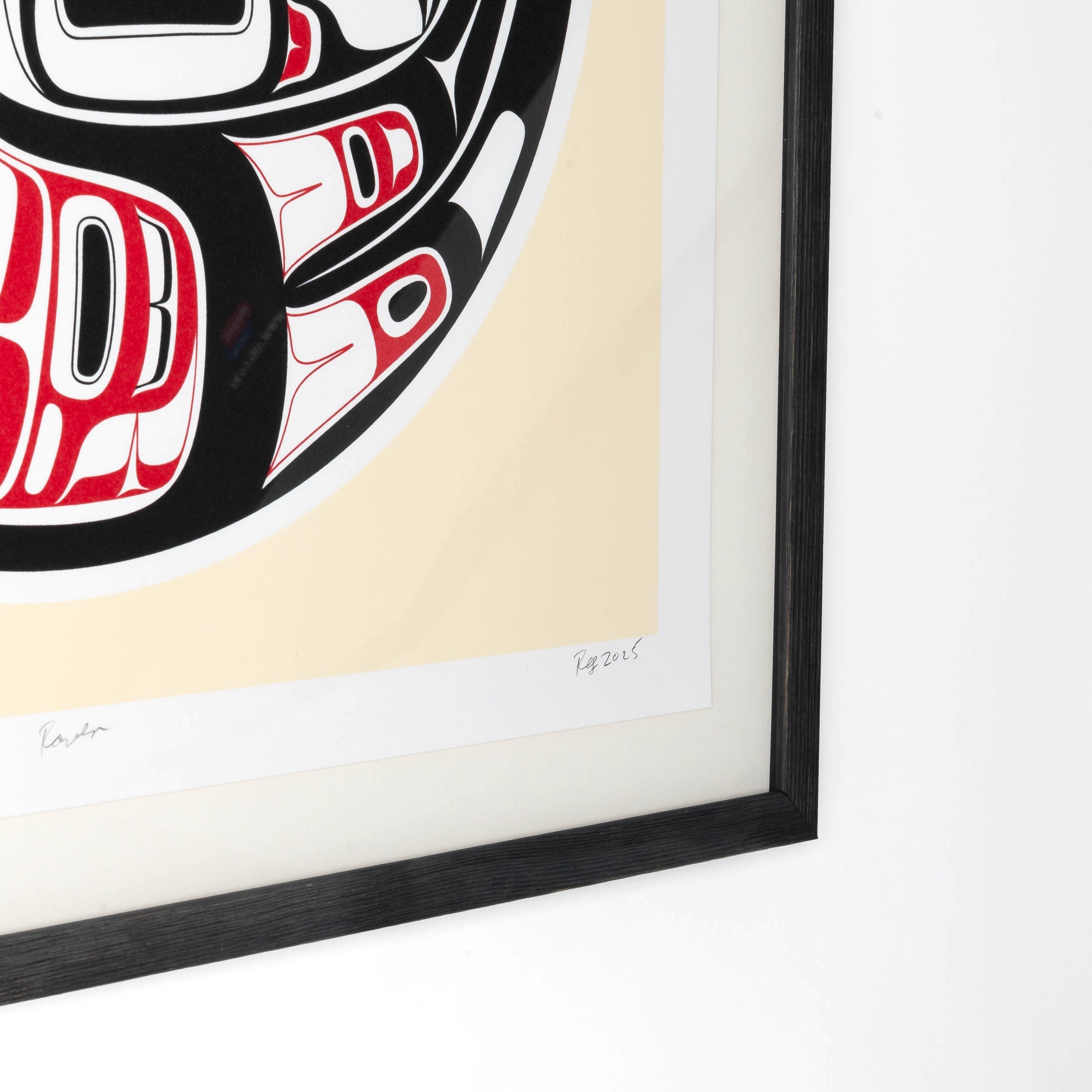
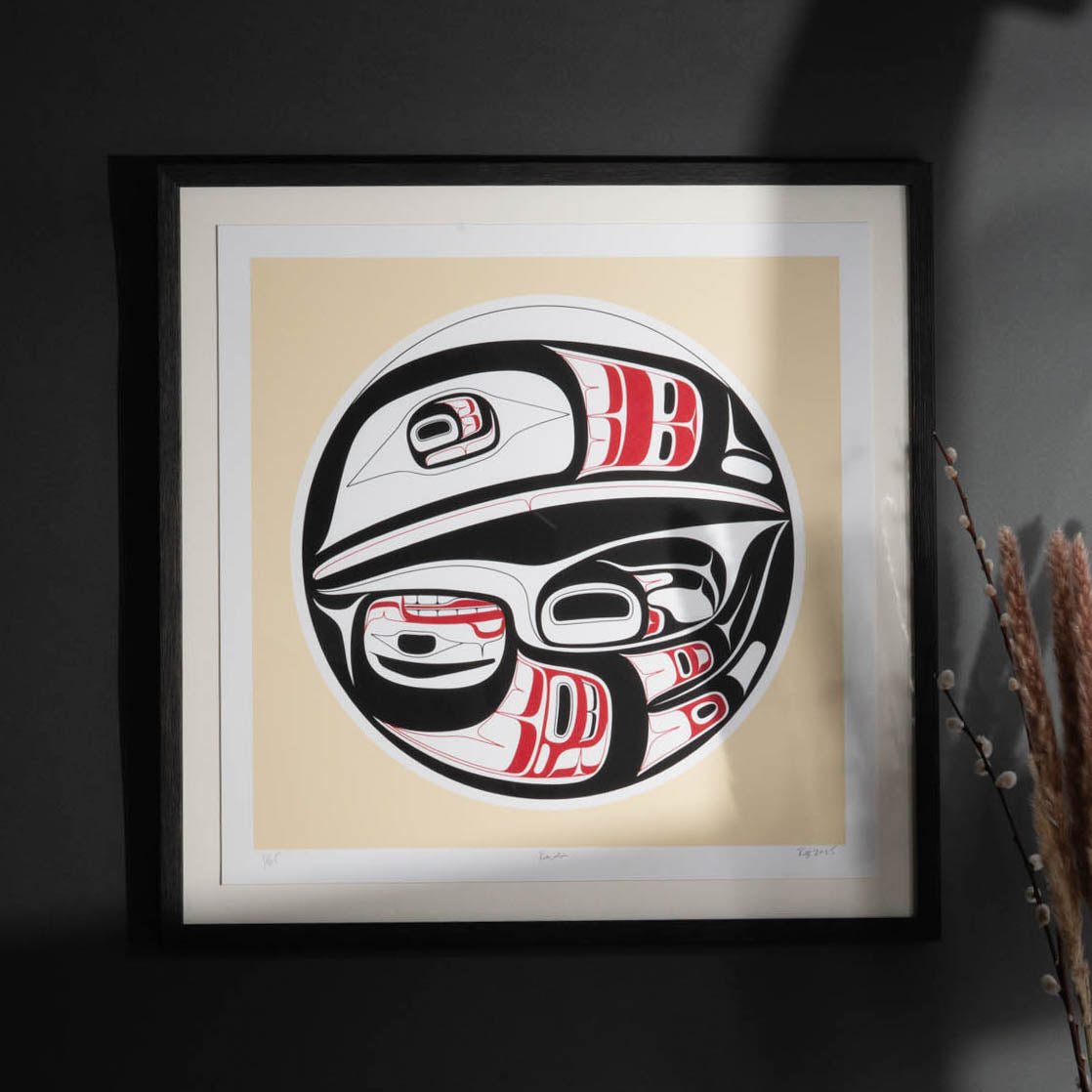
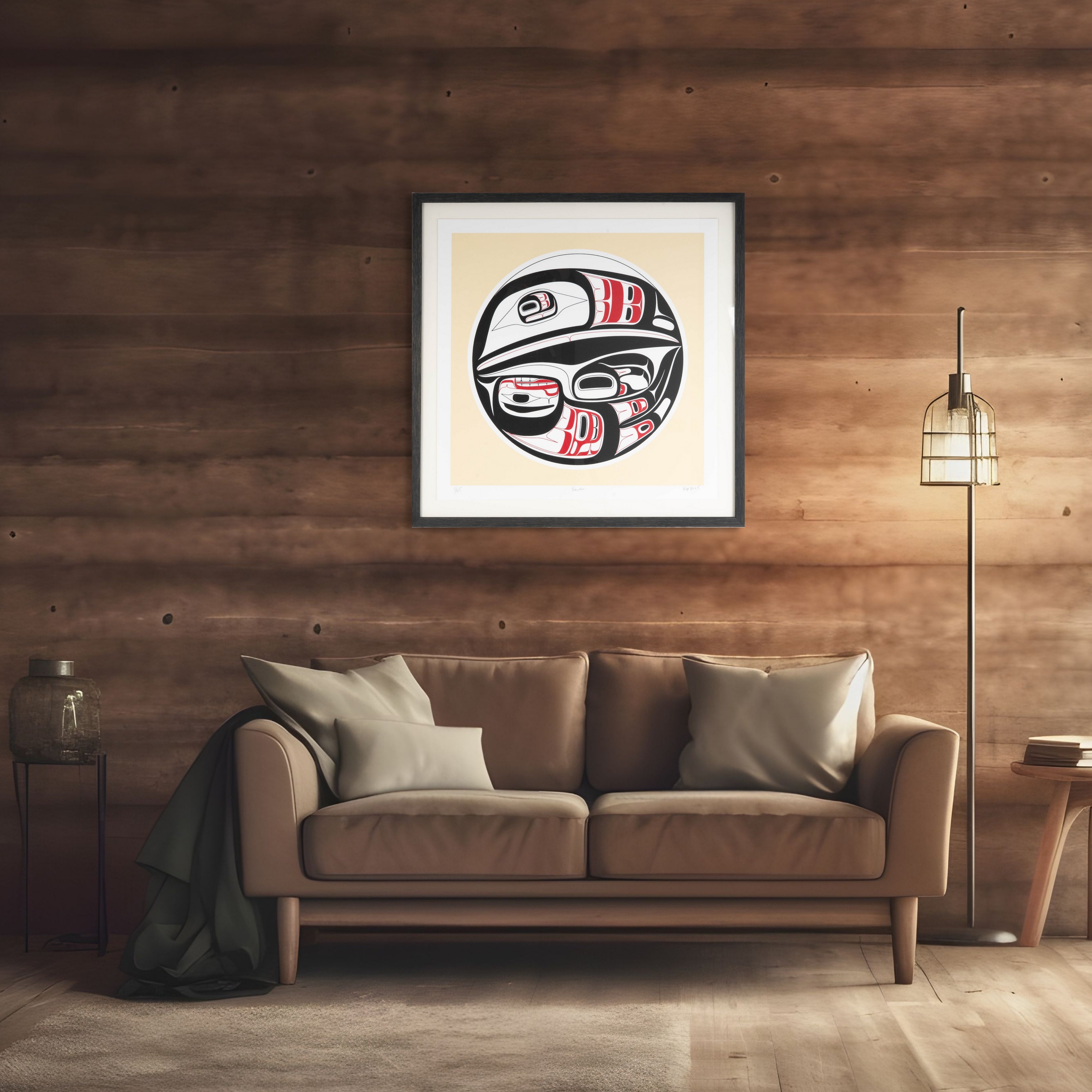
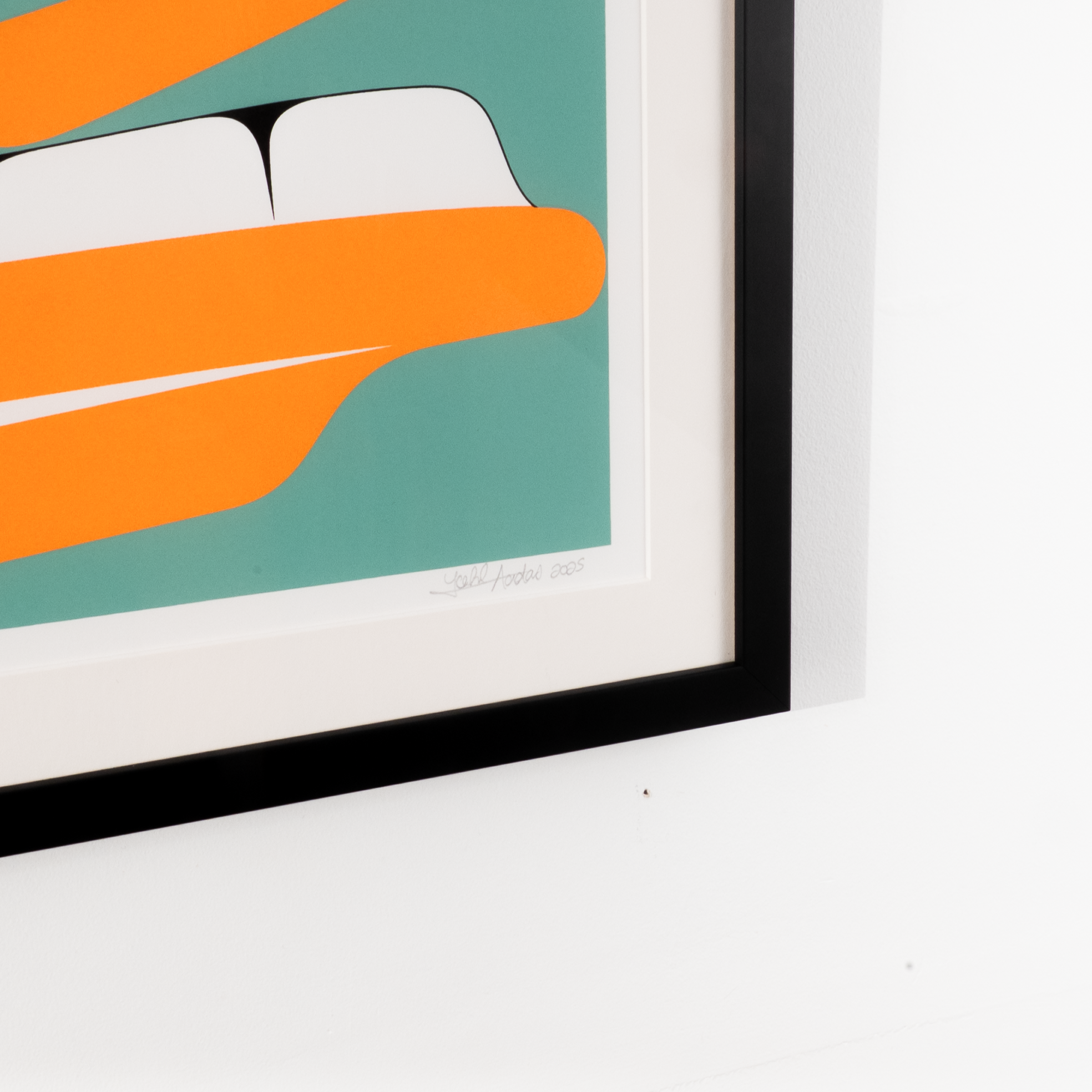
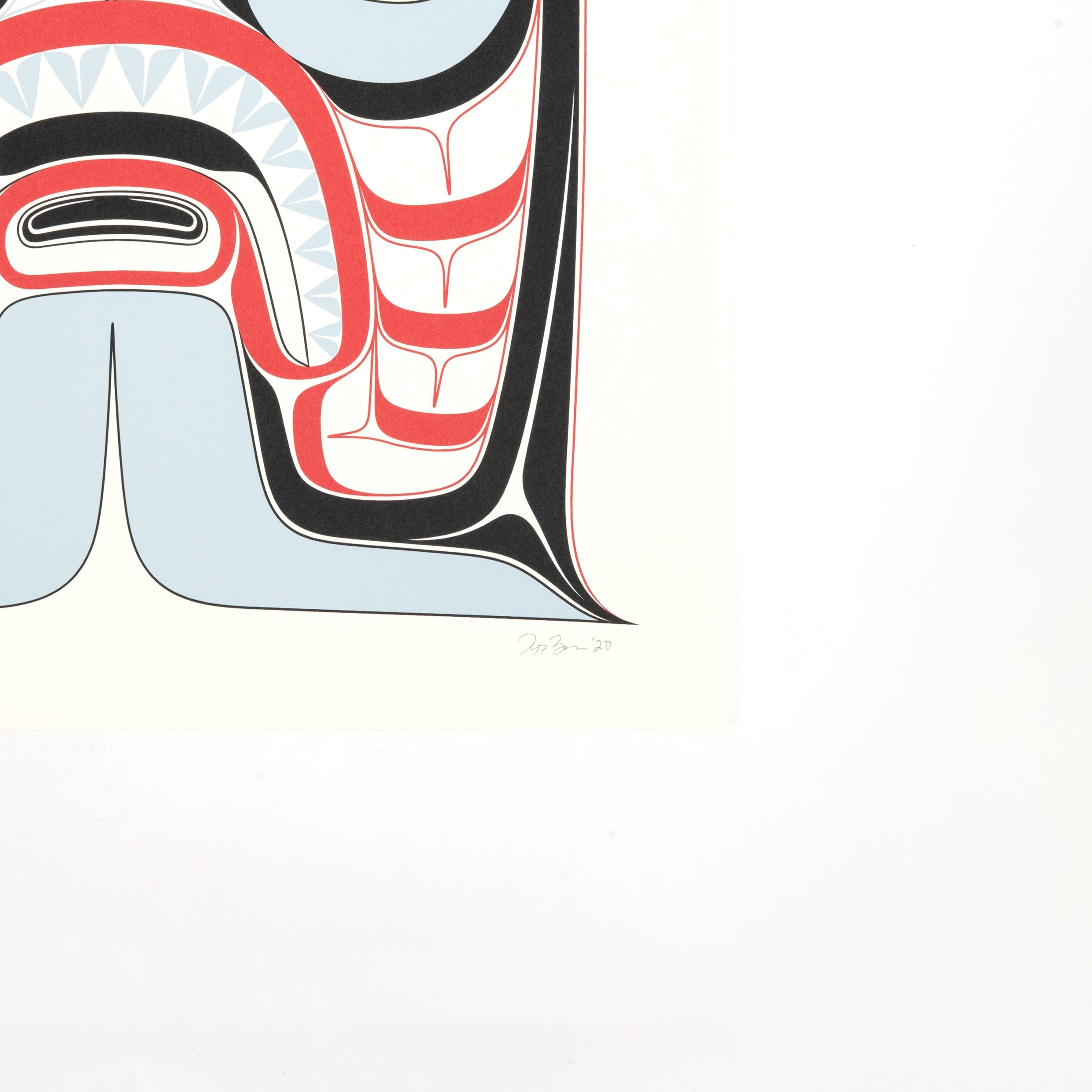
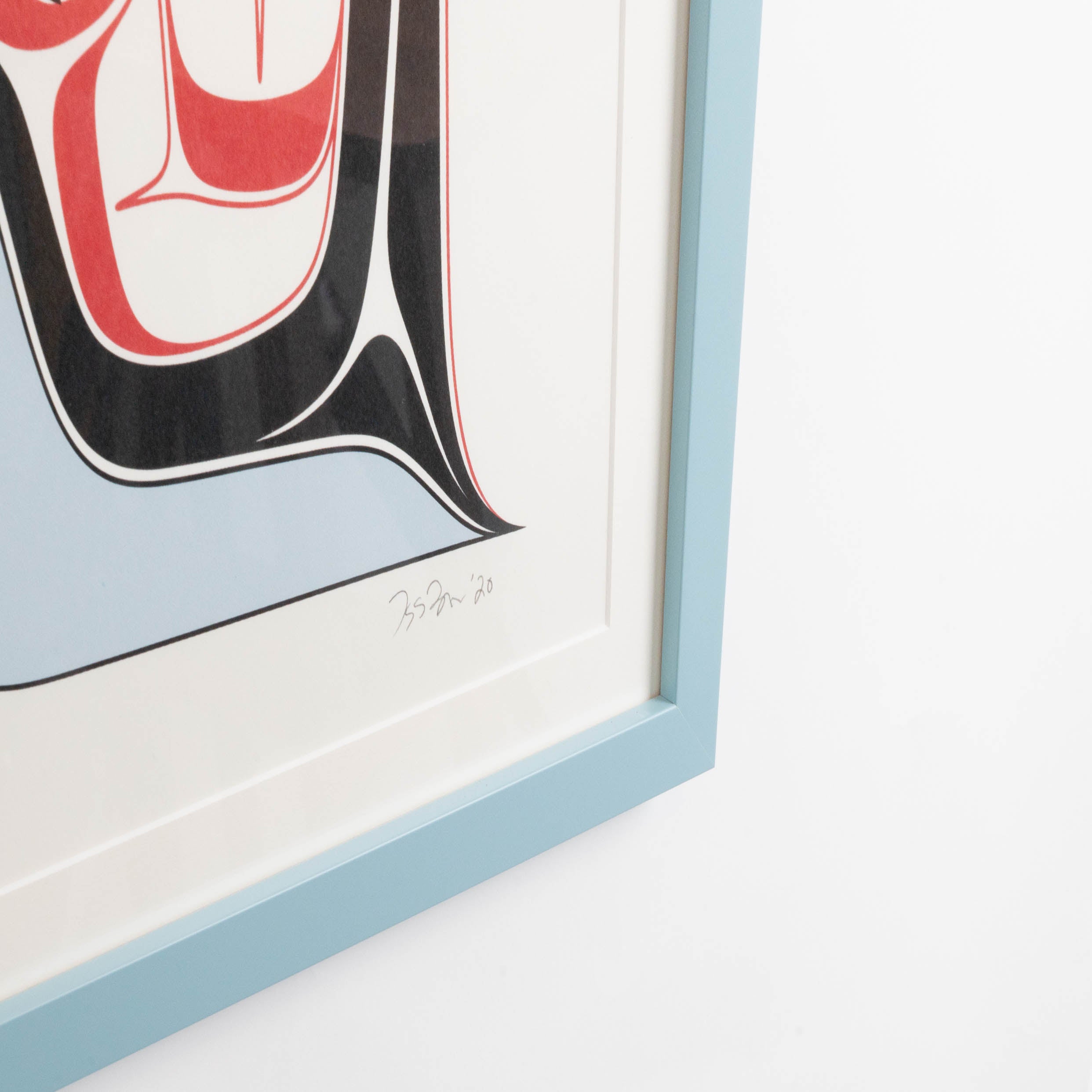
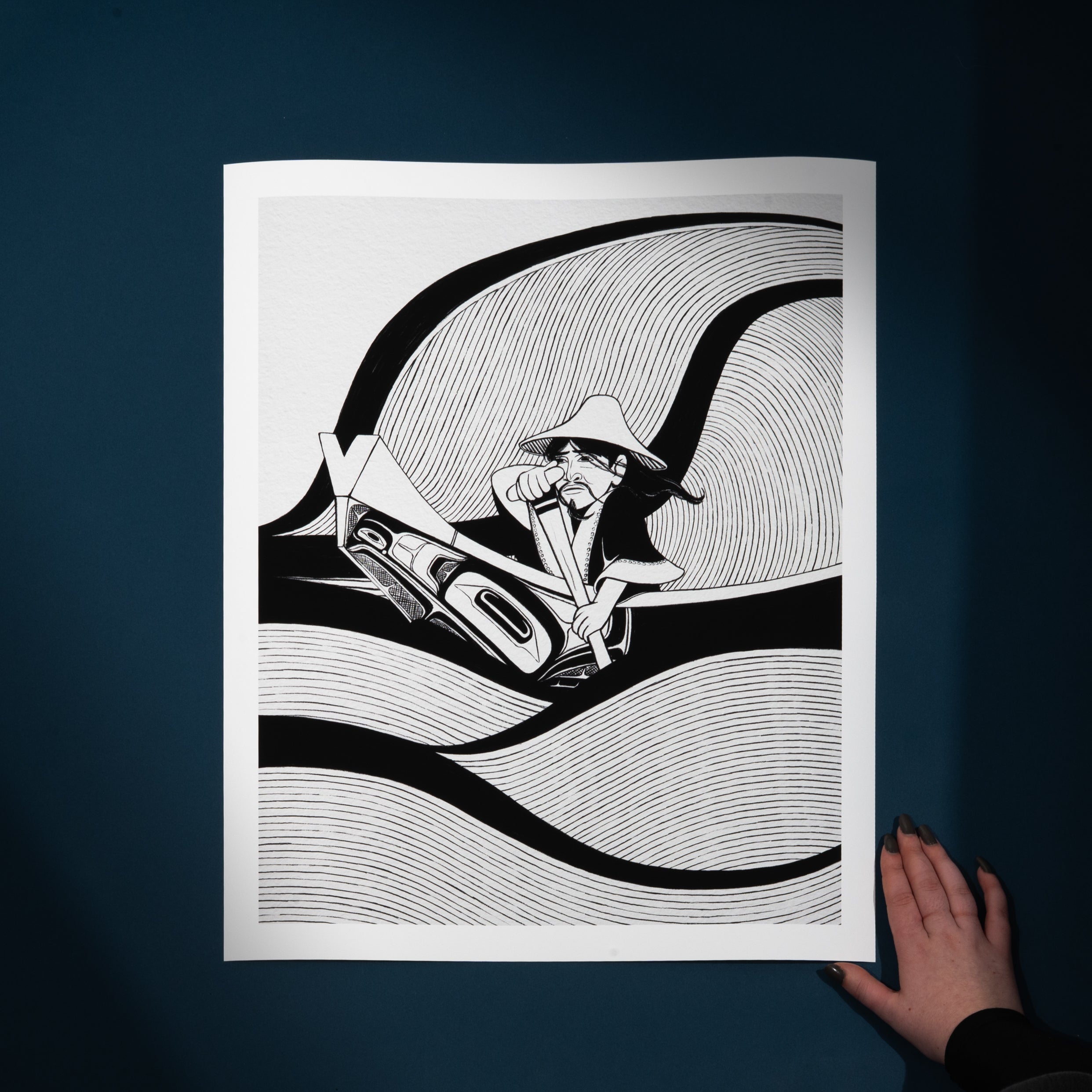
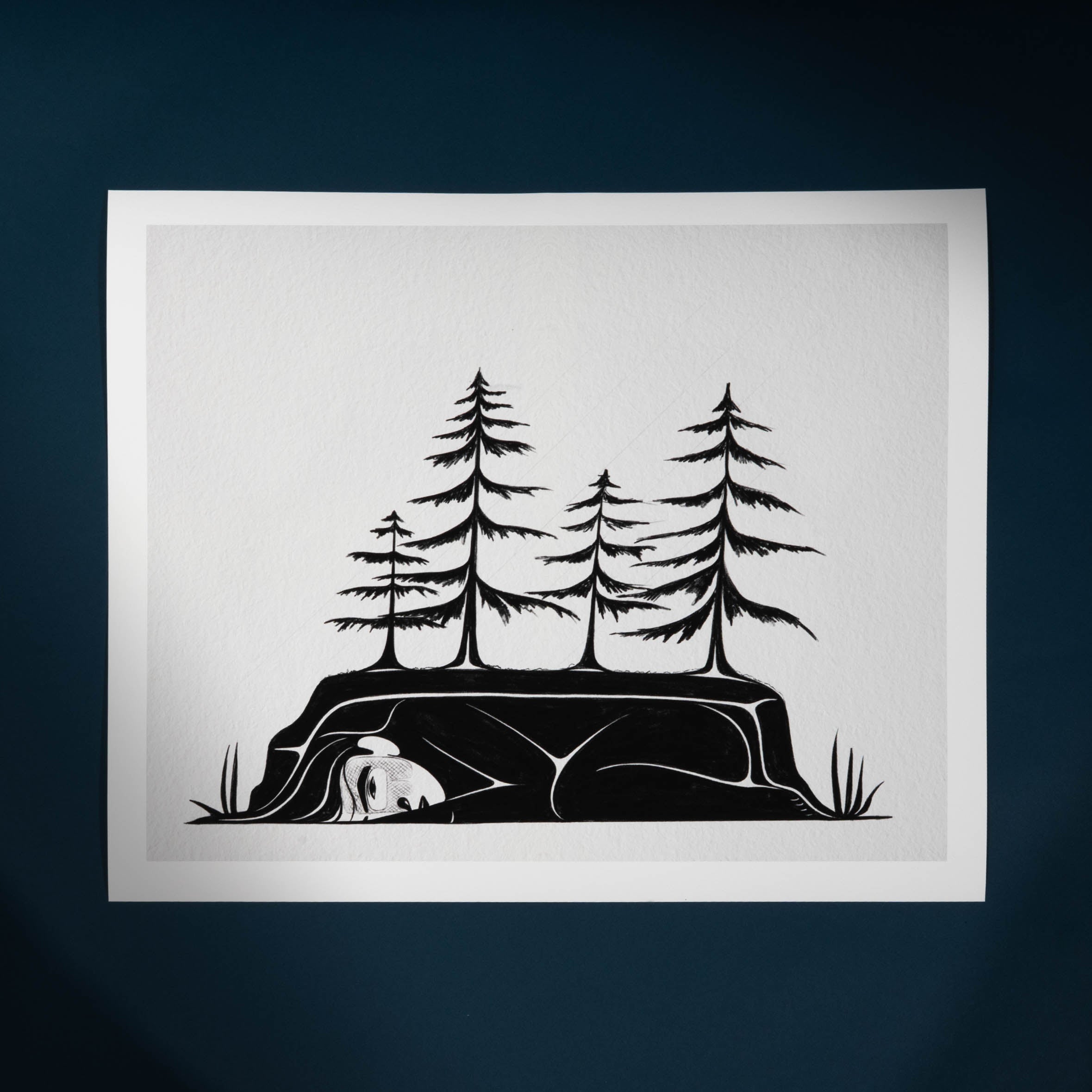
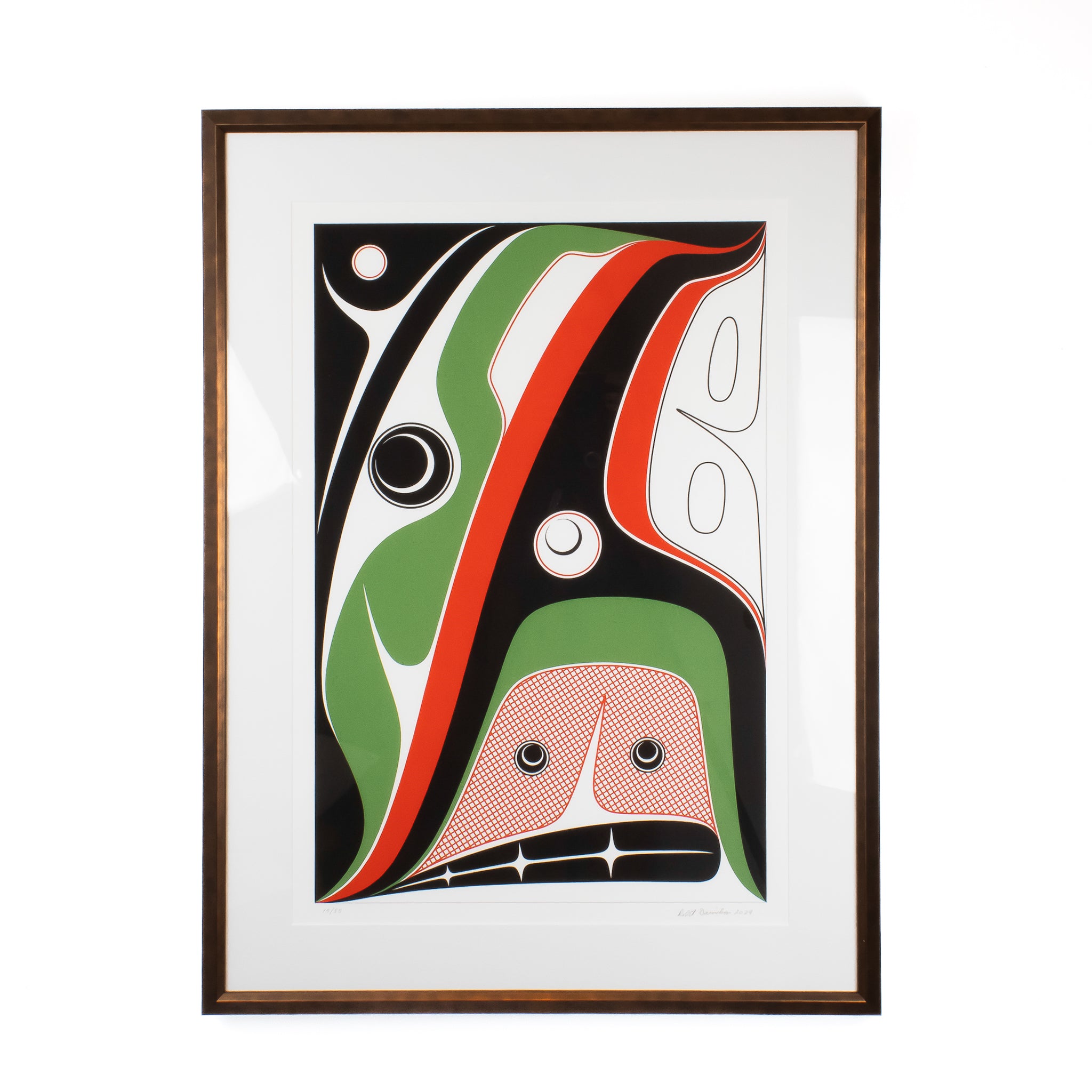
Limited edition prints are an important and growing area of Haida and Northwest Coast art. A limited edition print is produced in a fixed quantity and is typically signed and numbered by the artist, ensuring both authenticity and collectibility.
Many Haida artists approach printmaking as an extension of their original works. Rather than simply reproducing a painting, artists often reinterpret their designs for print, creating compositions with their own distinct visual identity. Renowned Haida artist Robert Davidson is especially well known for this approach, developing prints that evolve from his paintings while introducing new elements and refinements. This practice has since been adopted by many contemporary Haida artists.
Explore our collection of Limited Edition Haida Prints.
Wood Carving
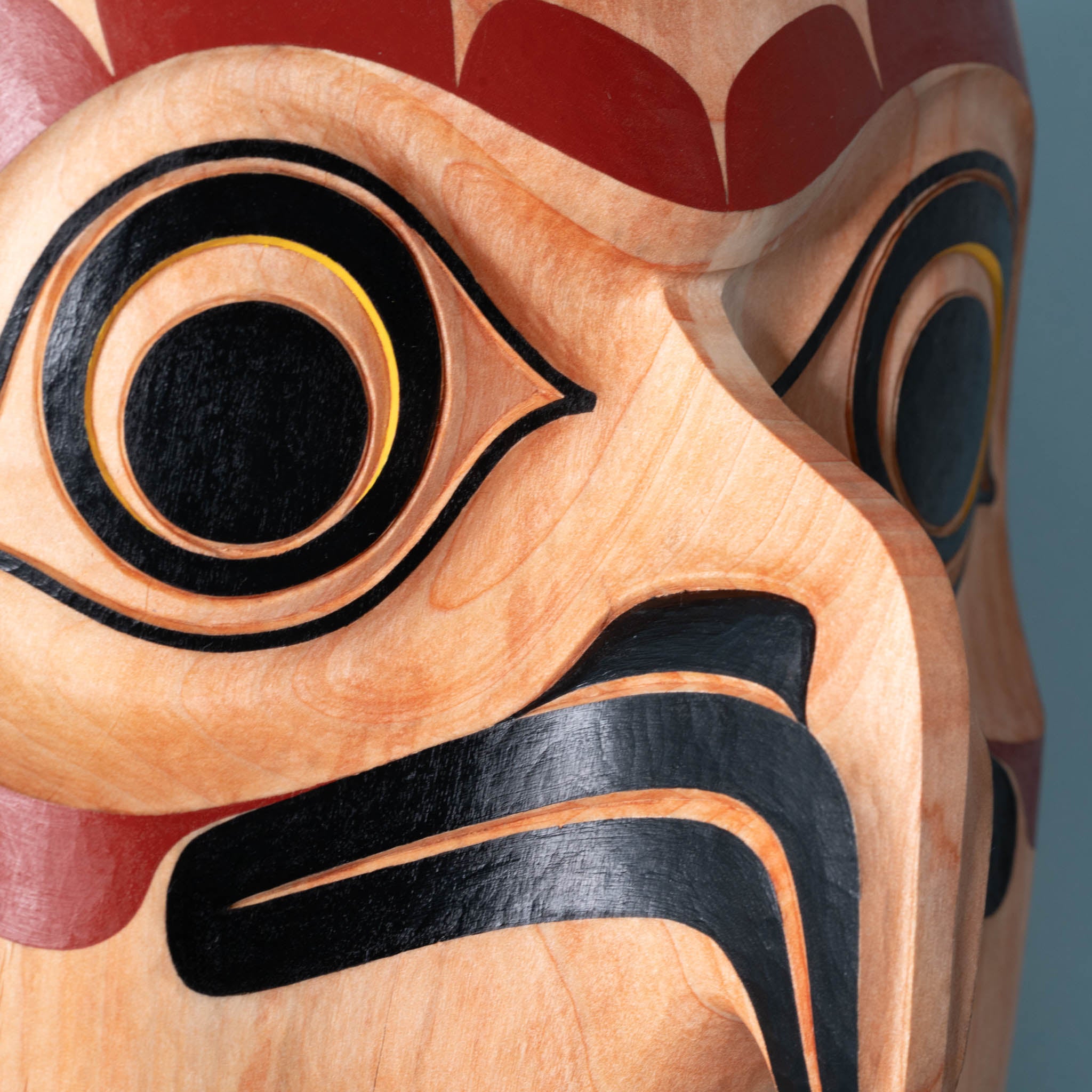
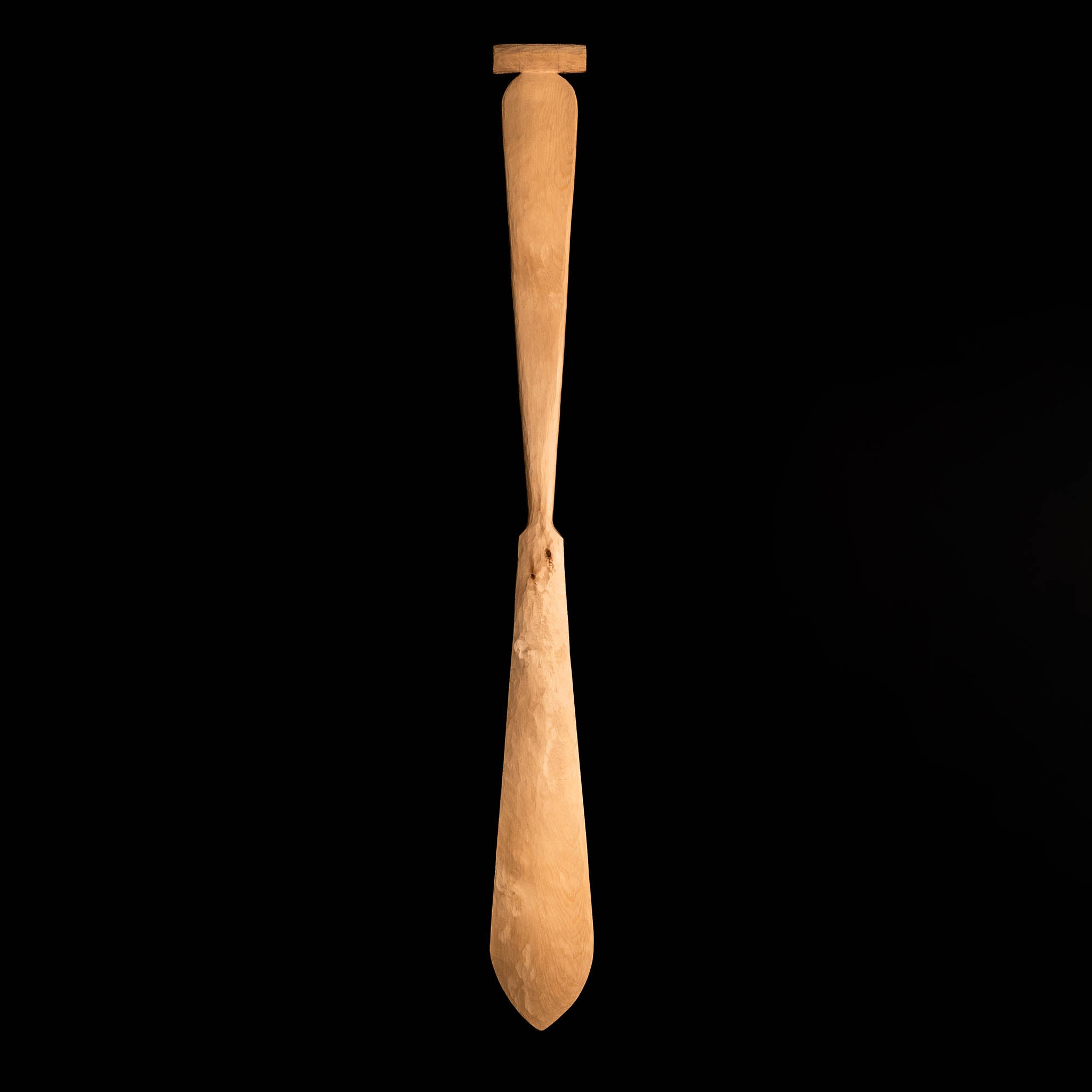
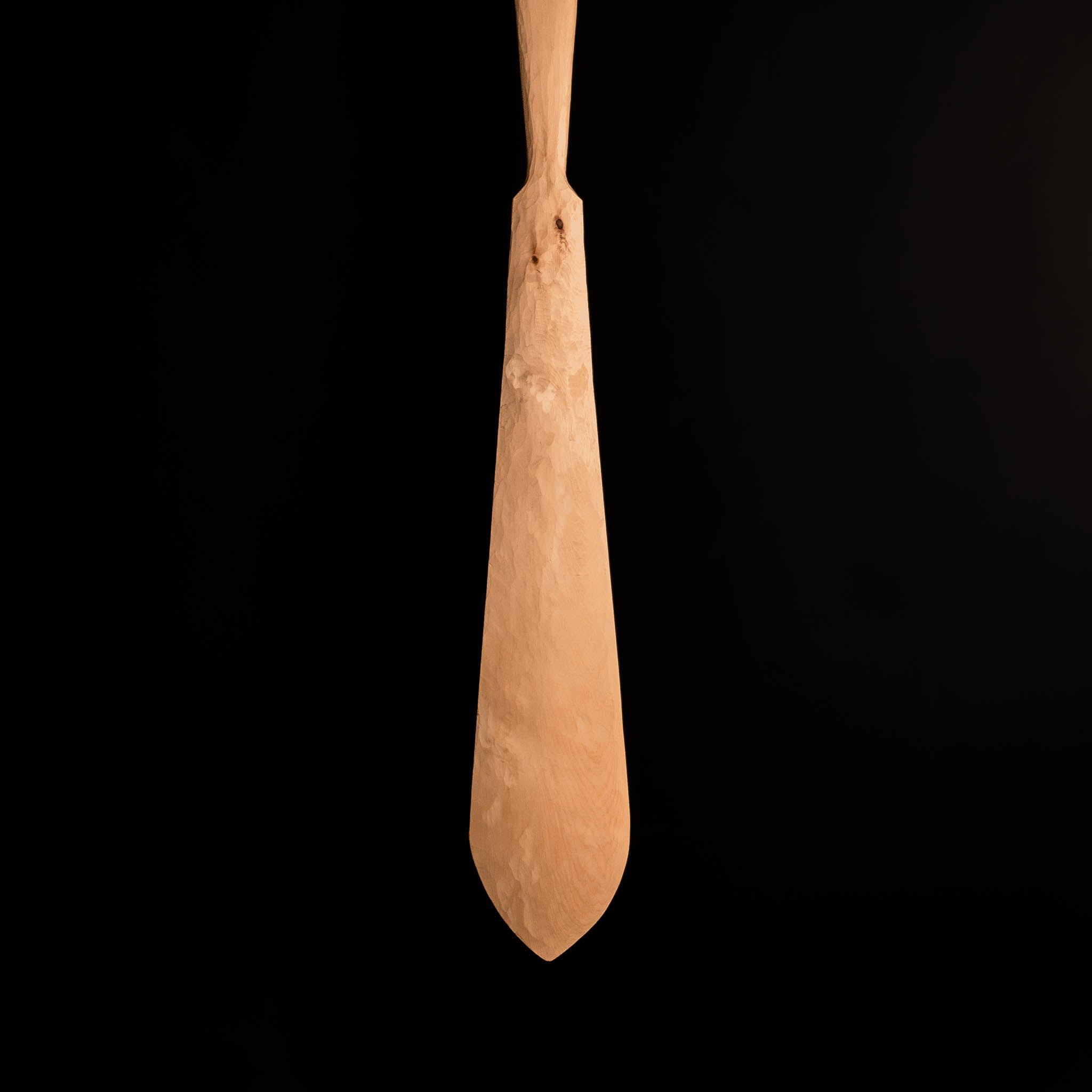
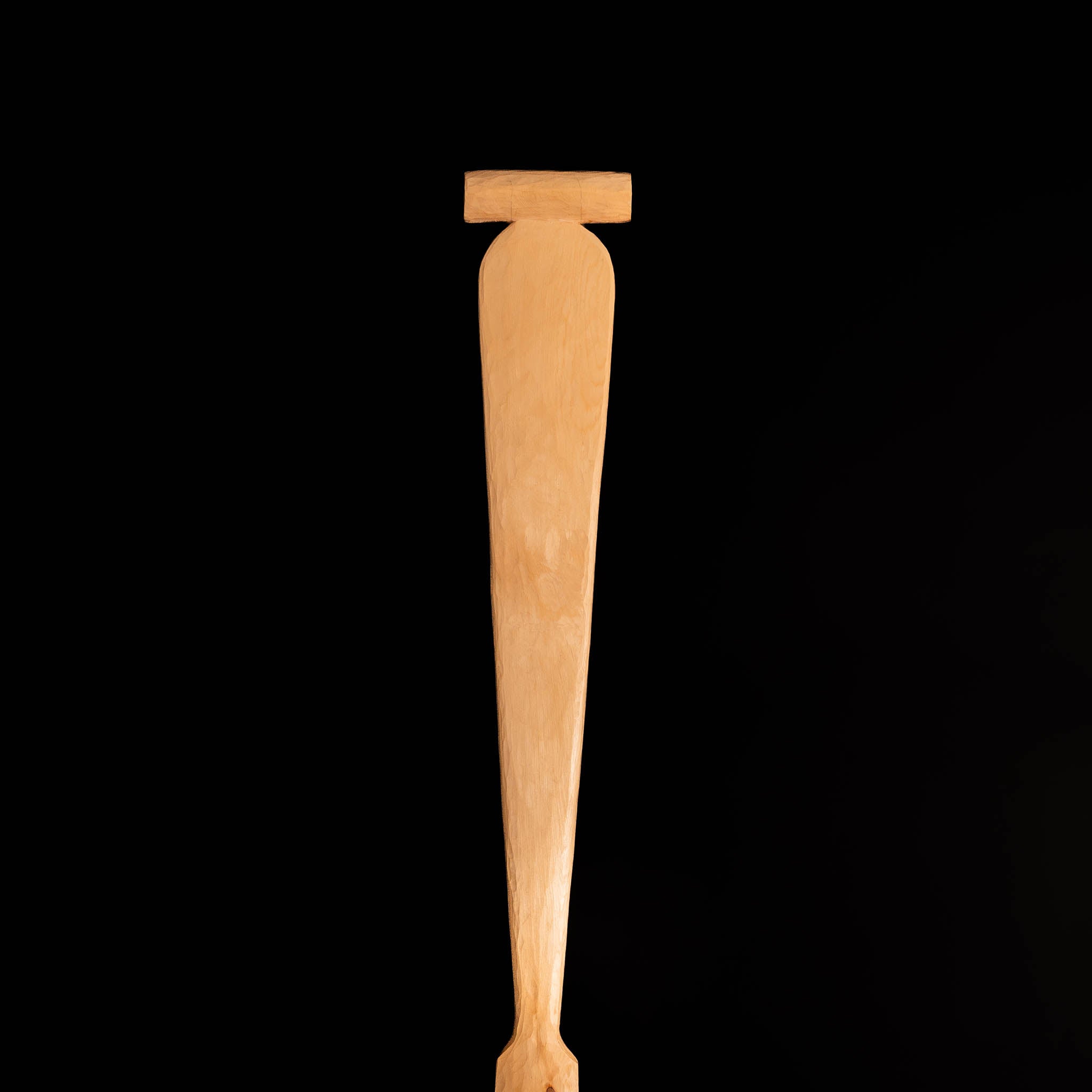
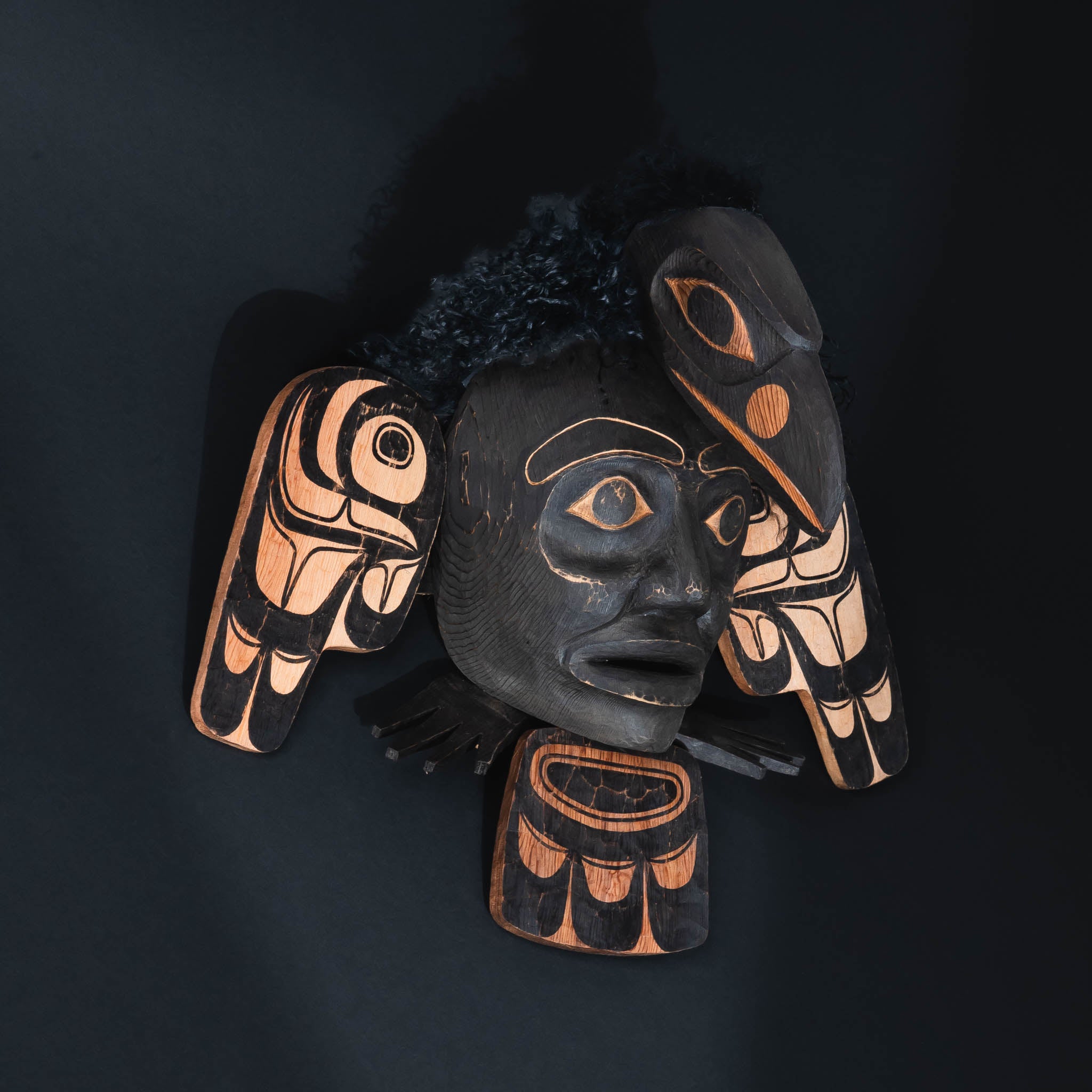
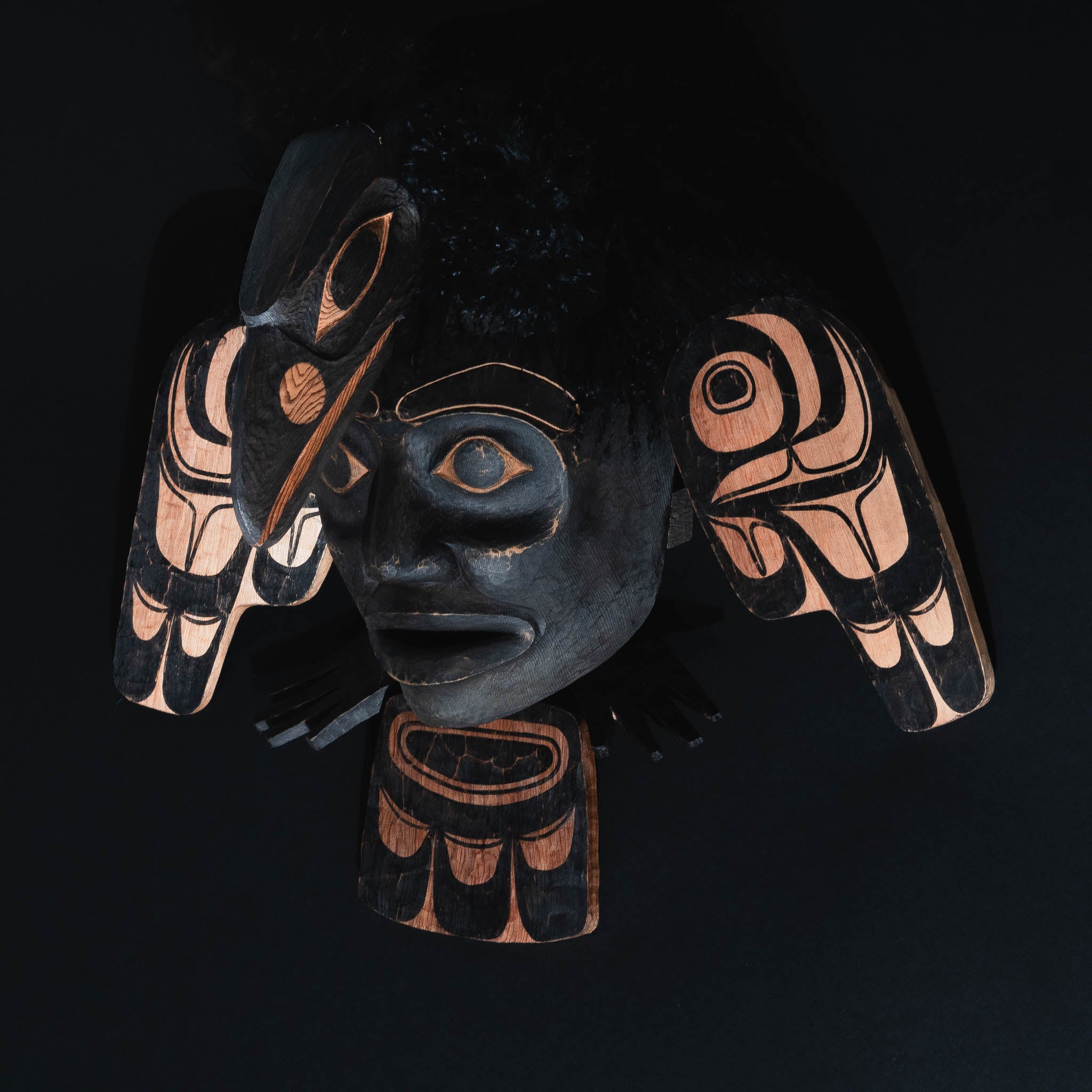
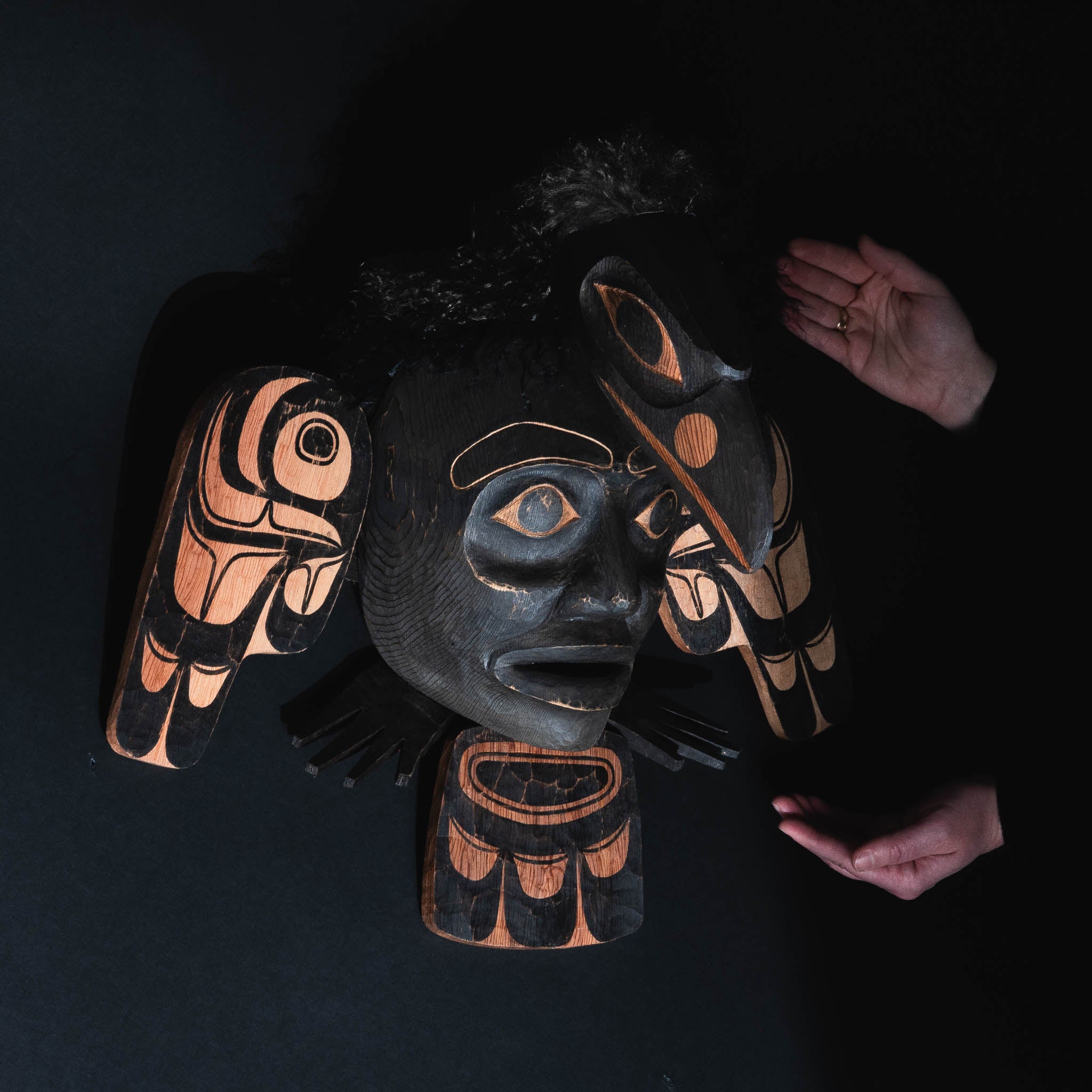
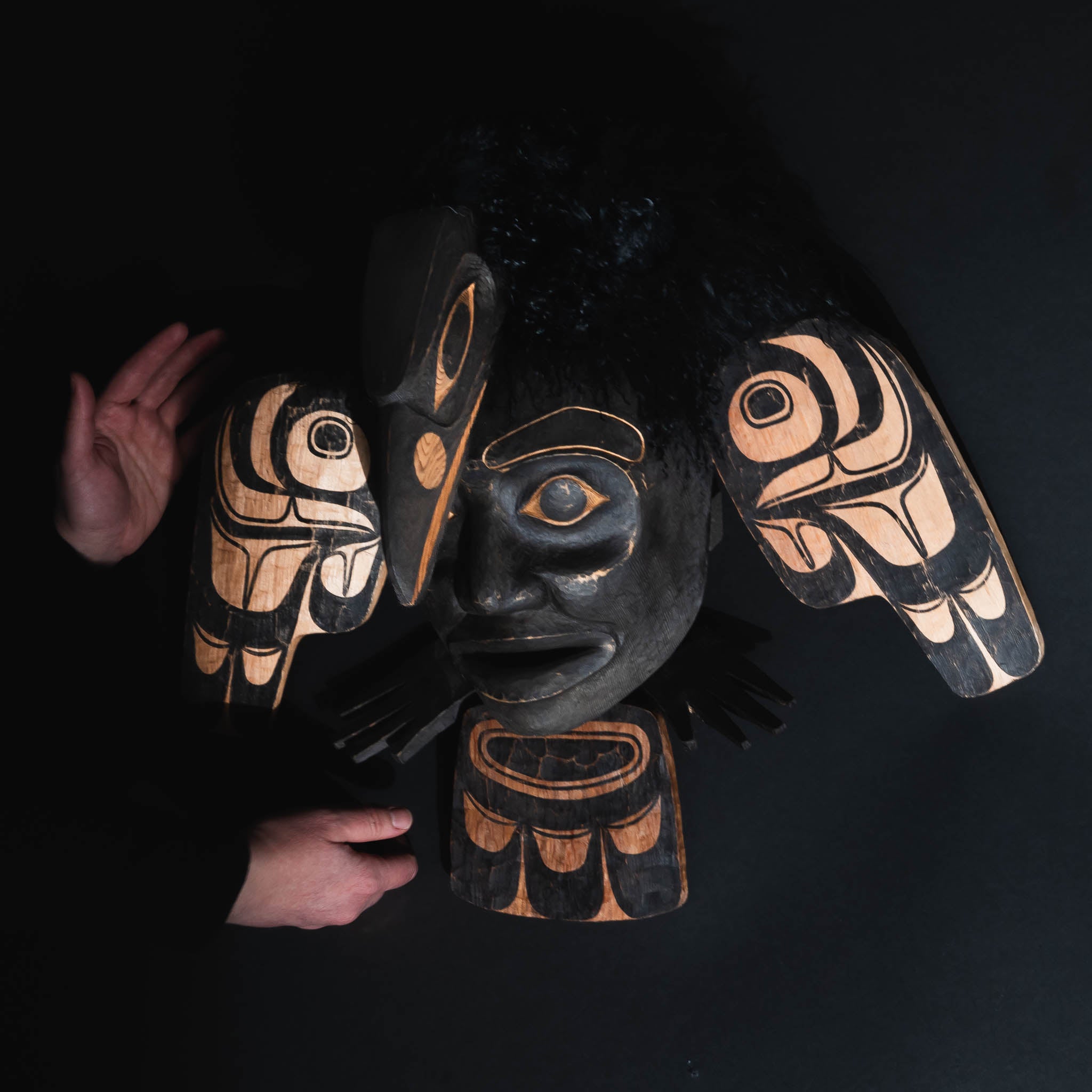
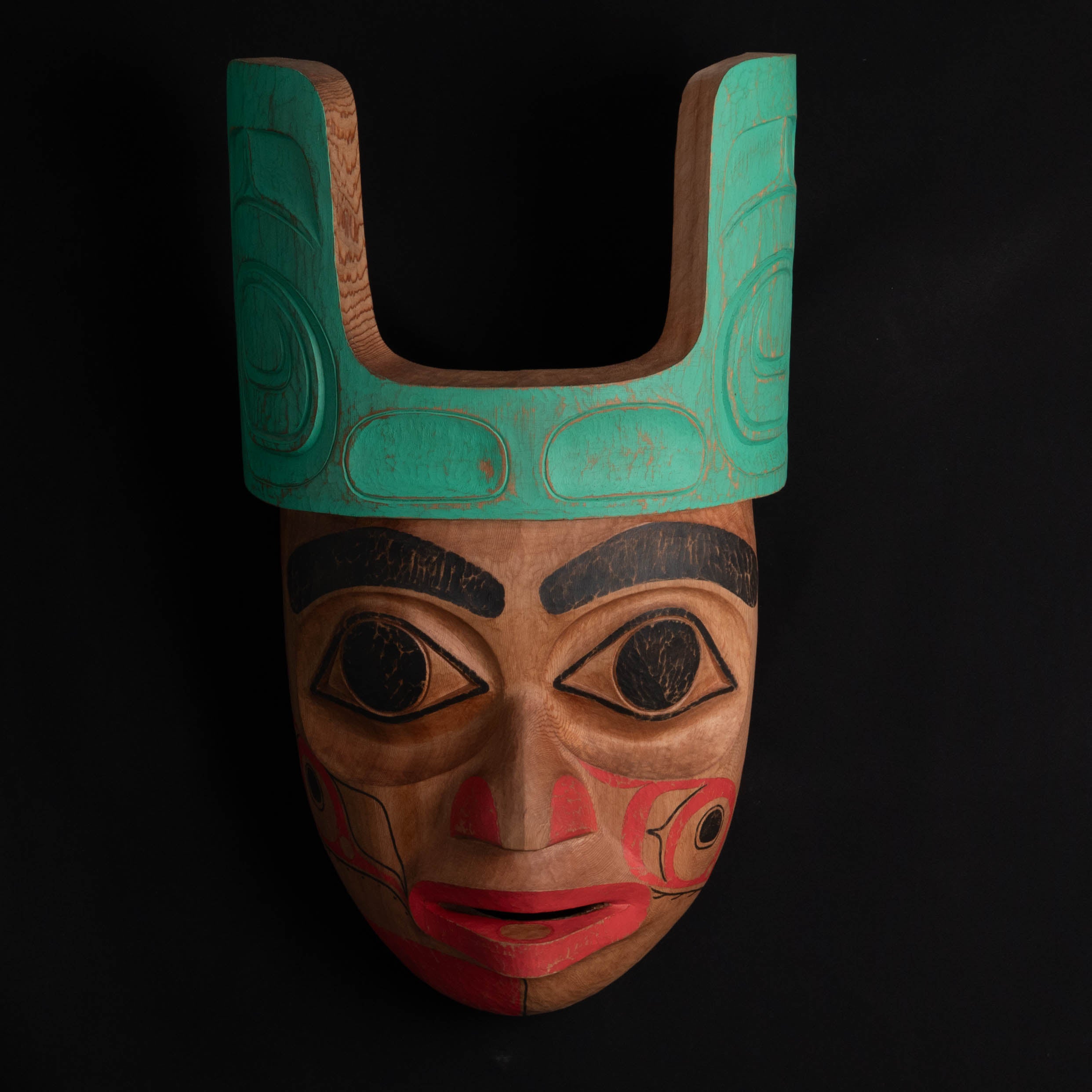
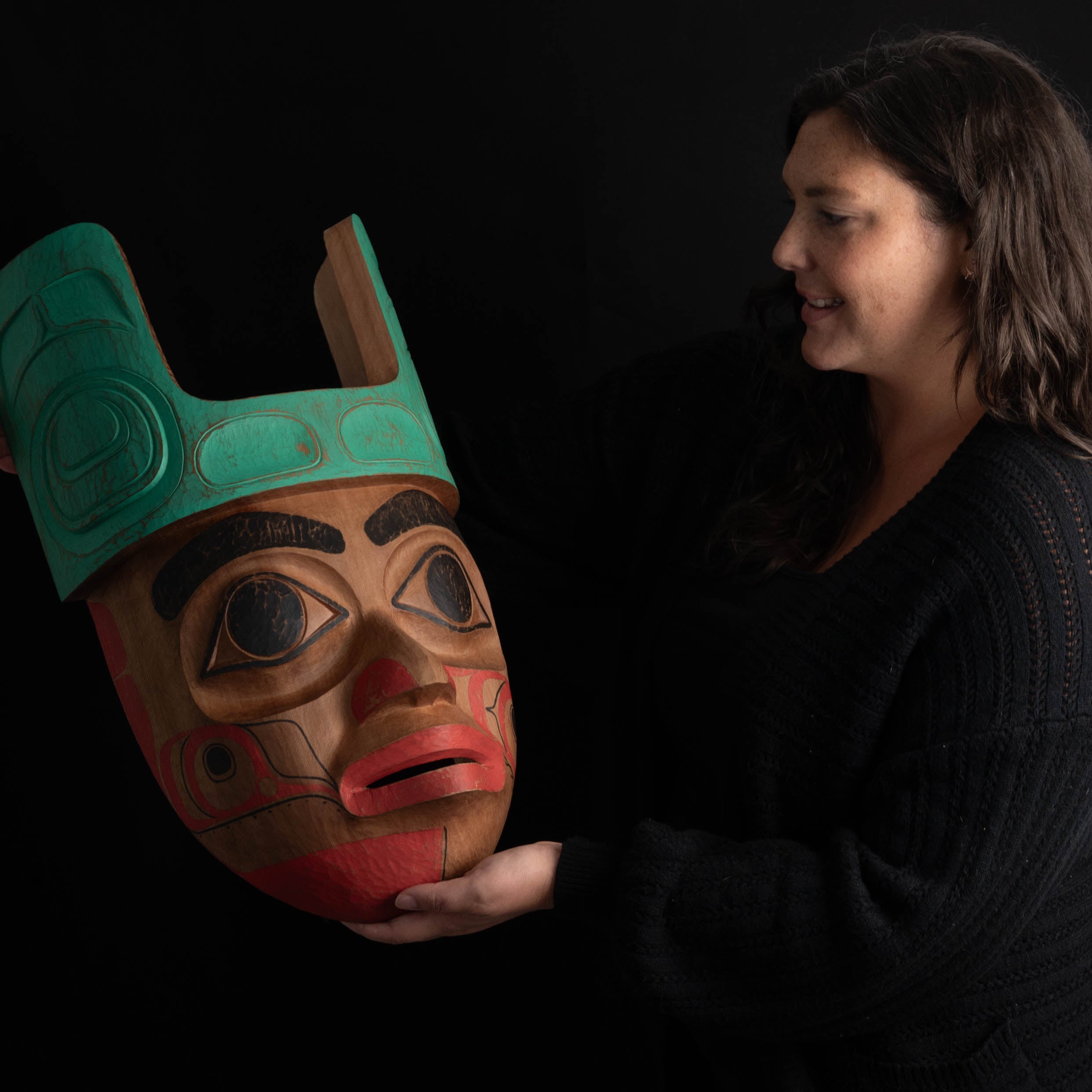
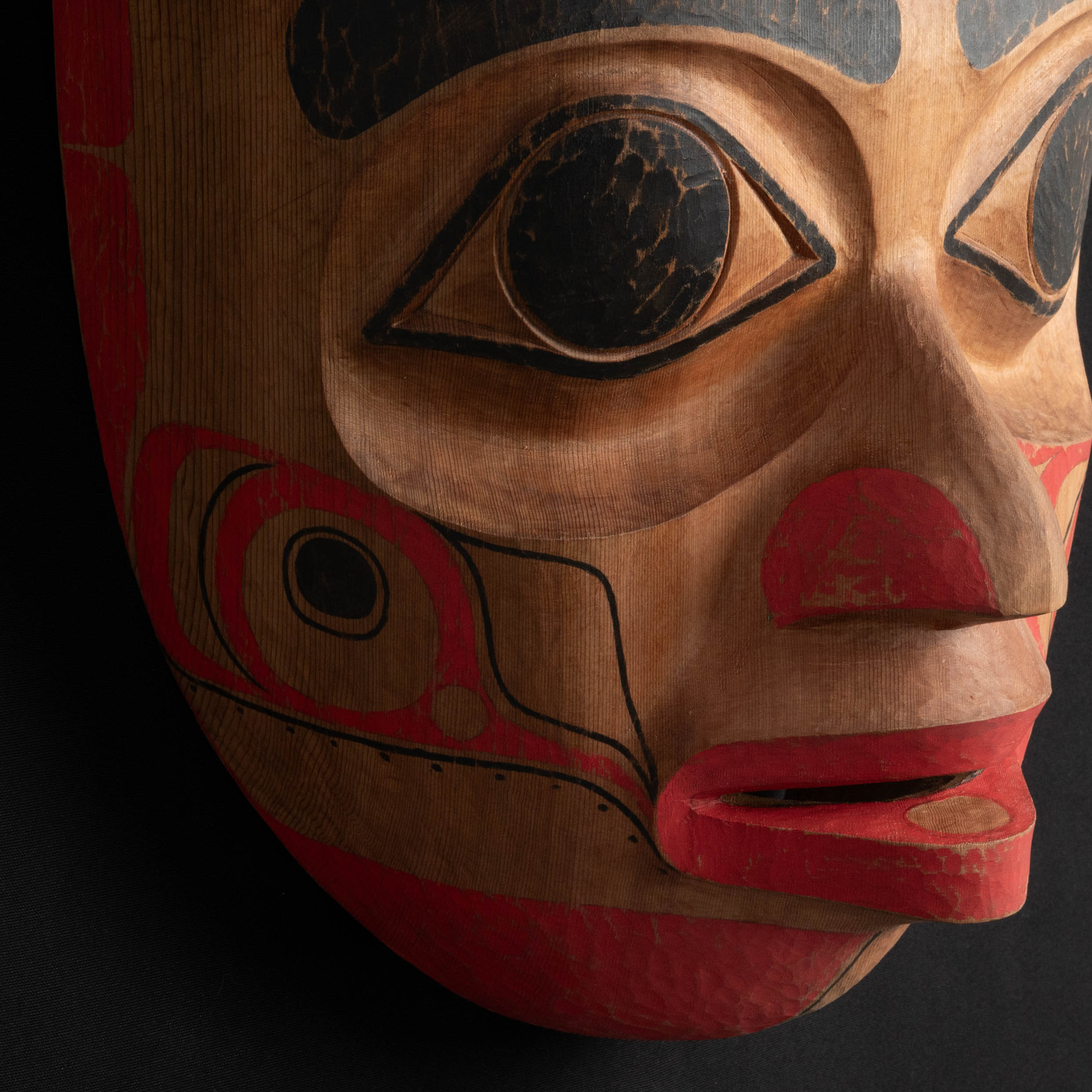
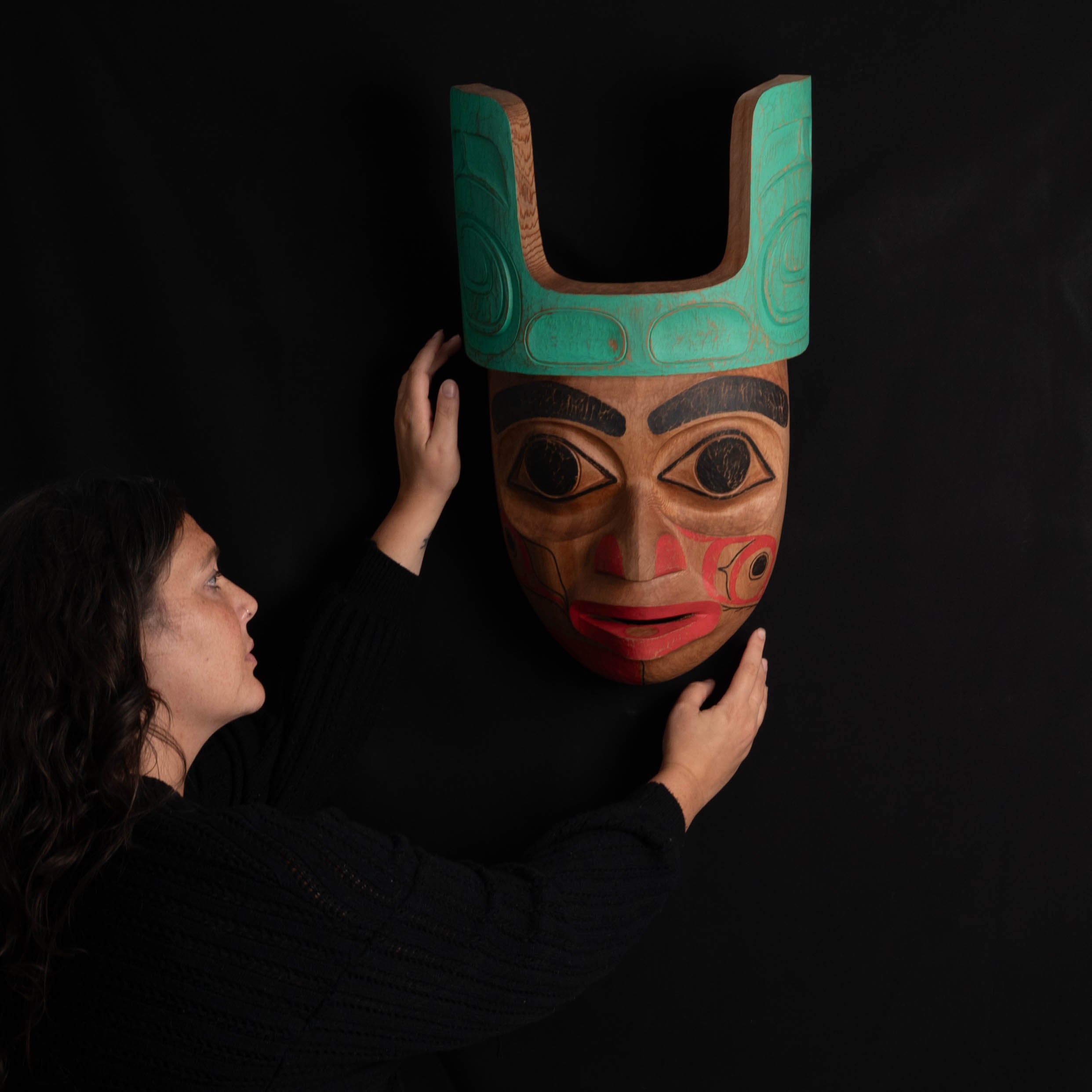
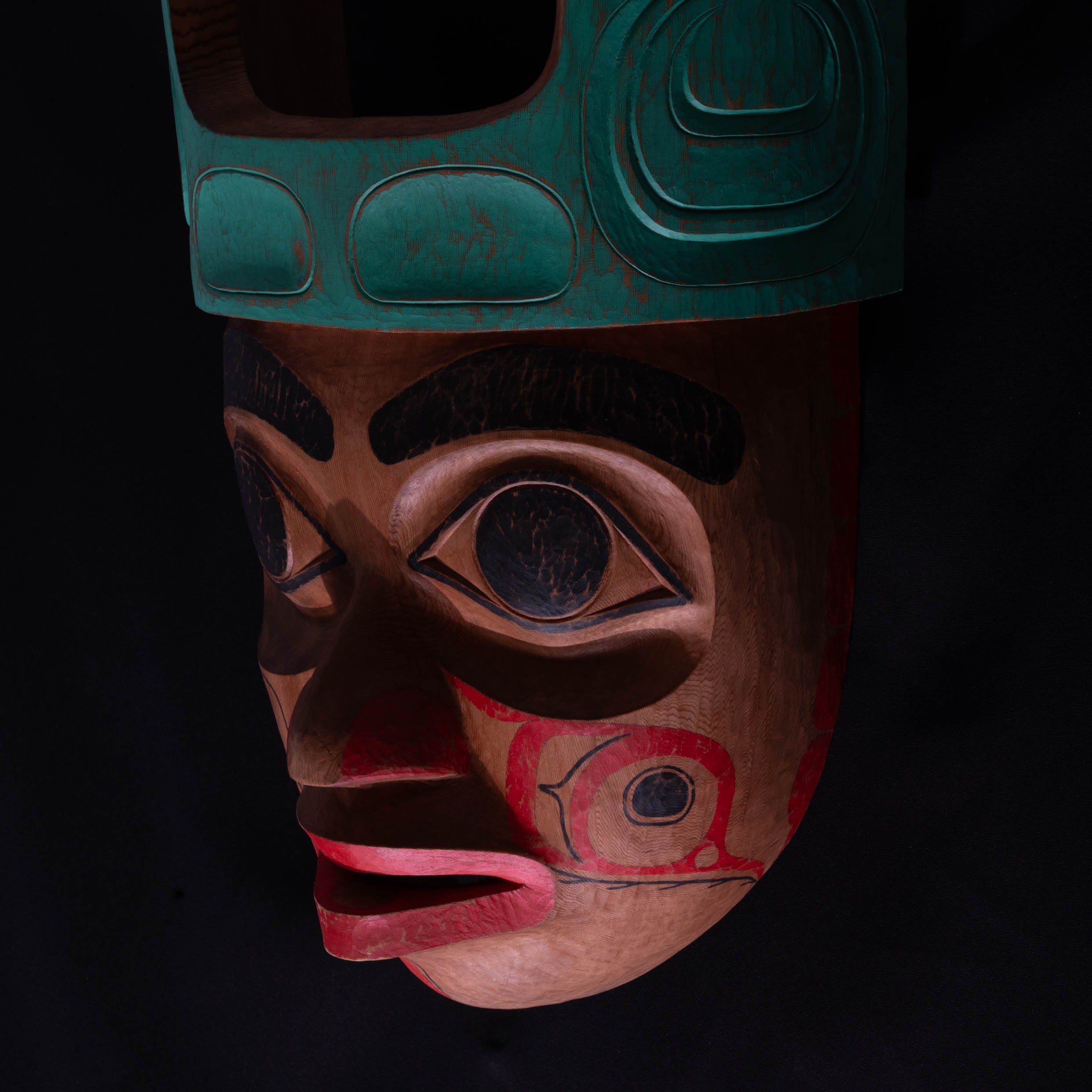
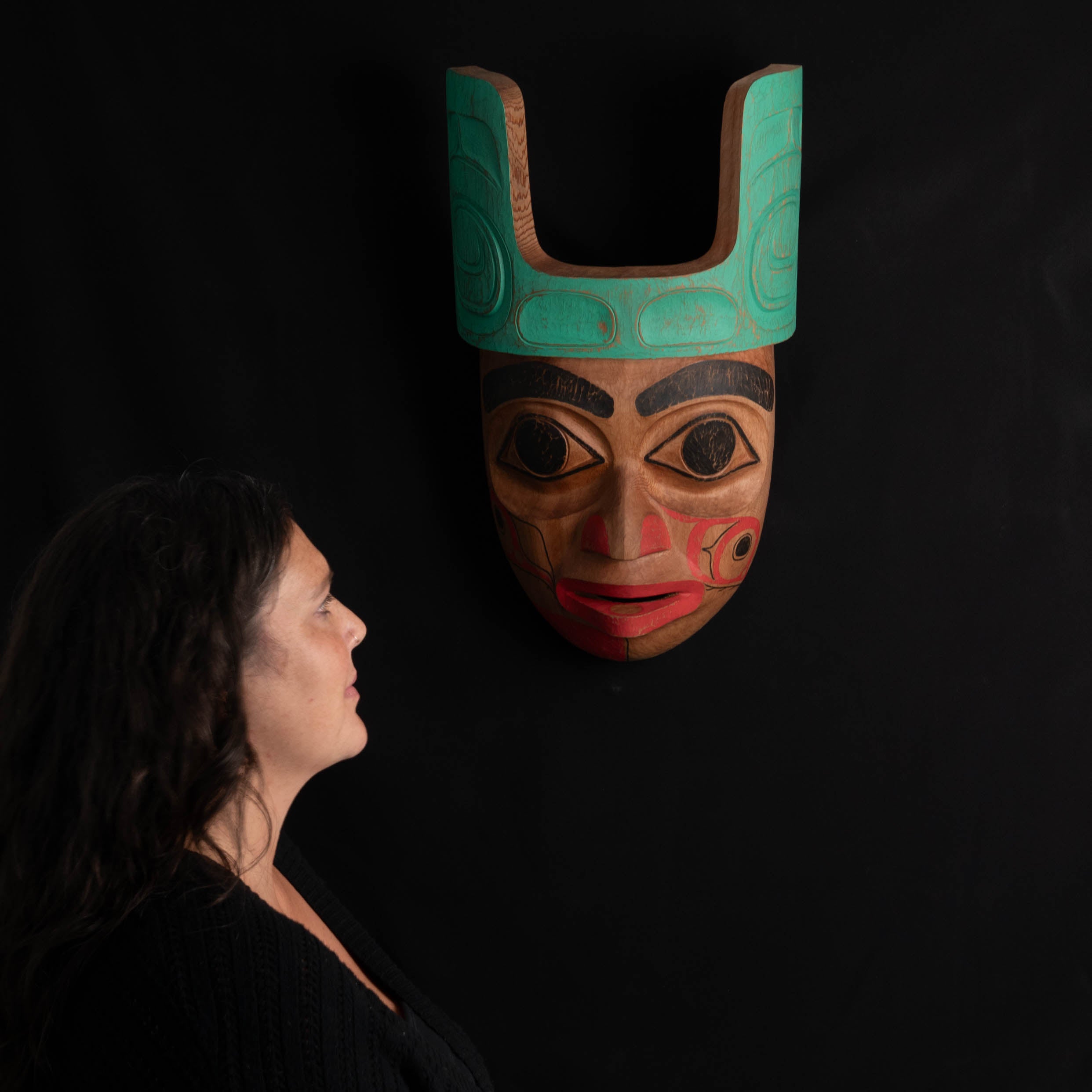
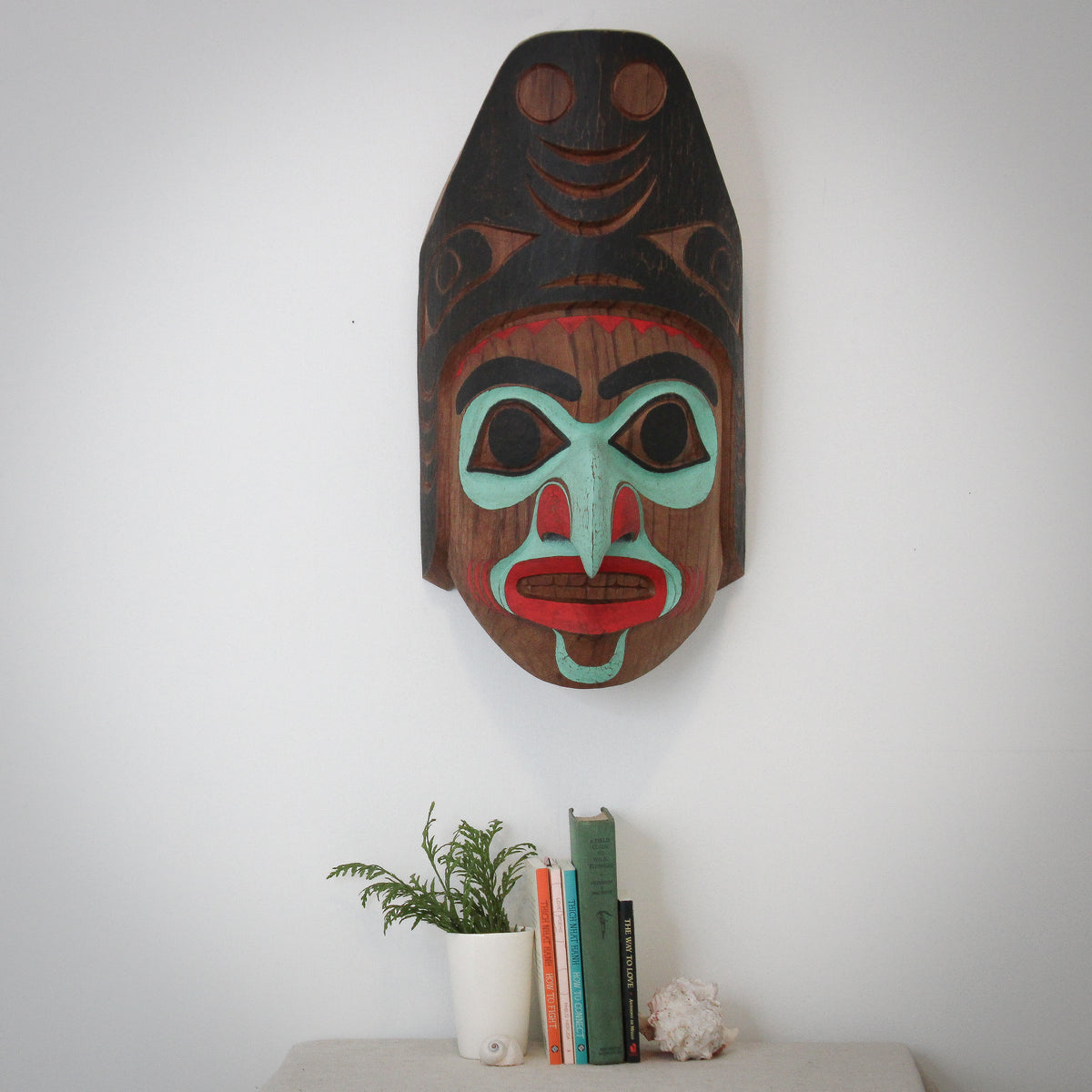
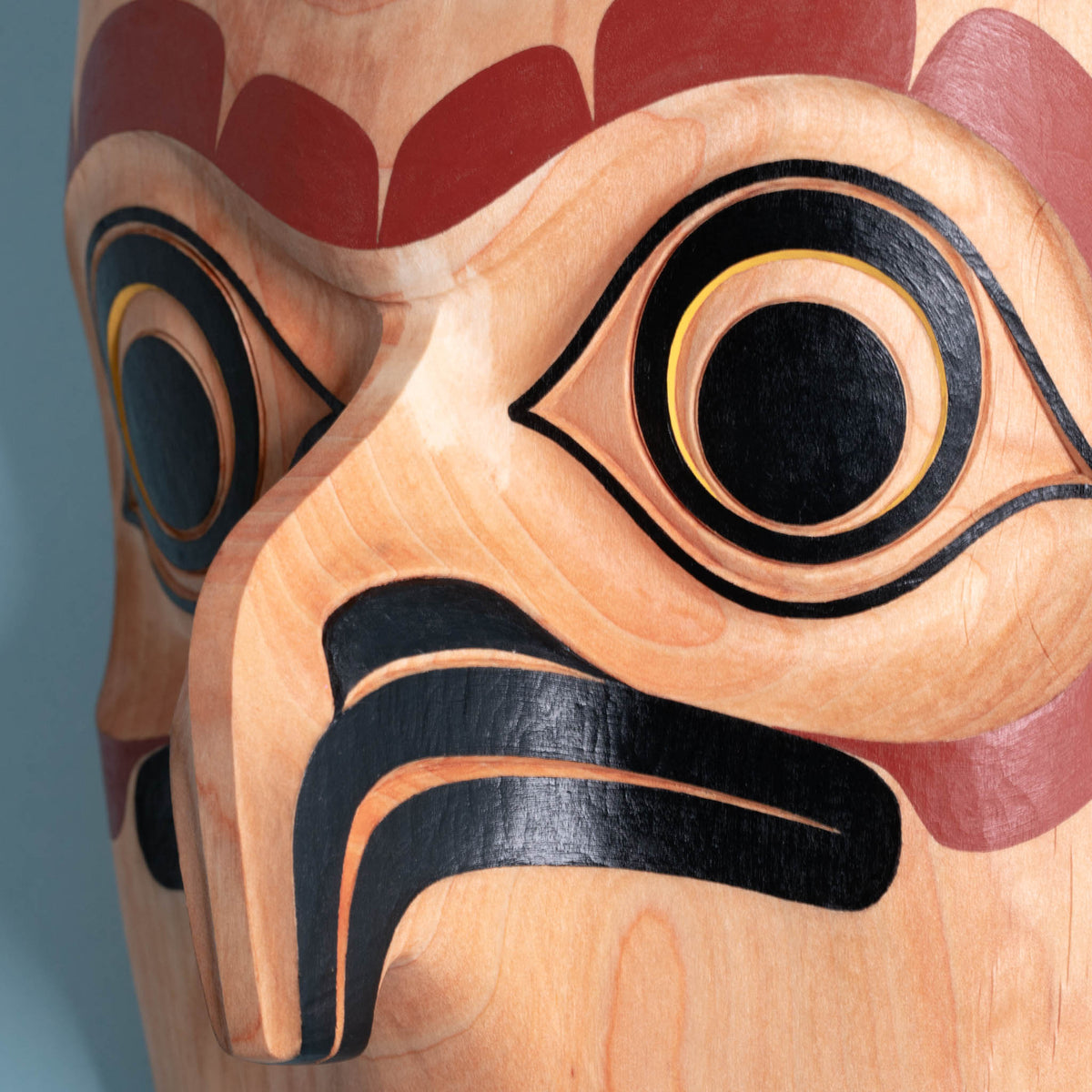
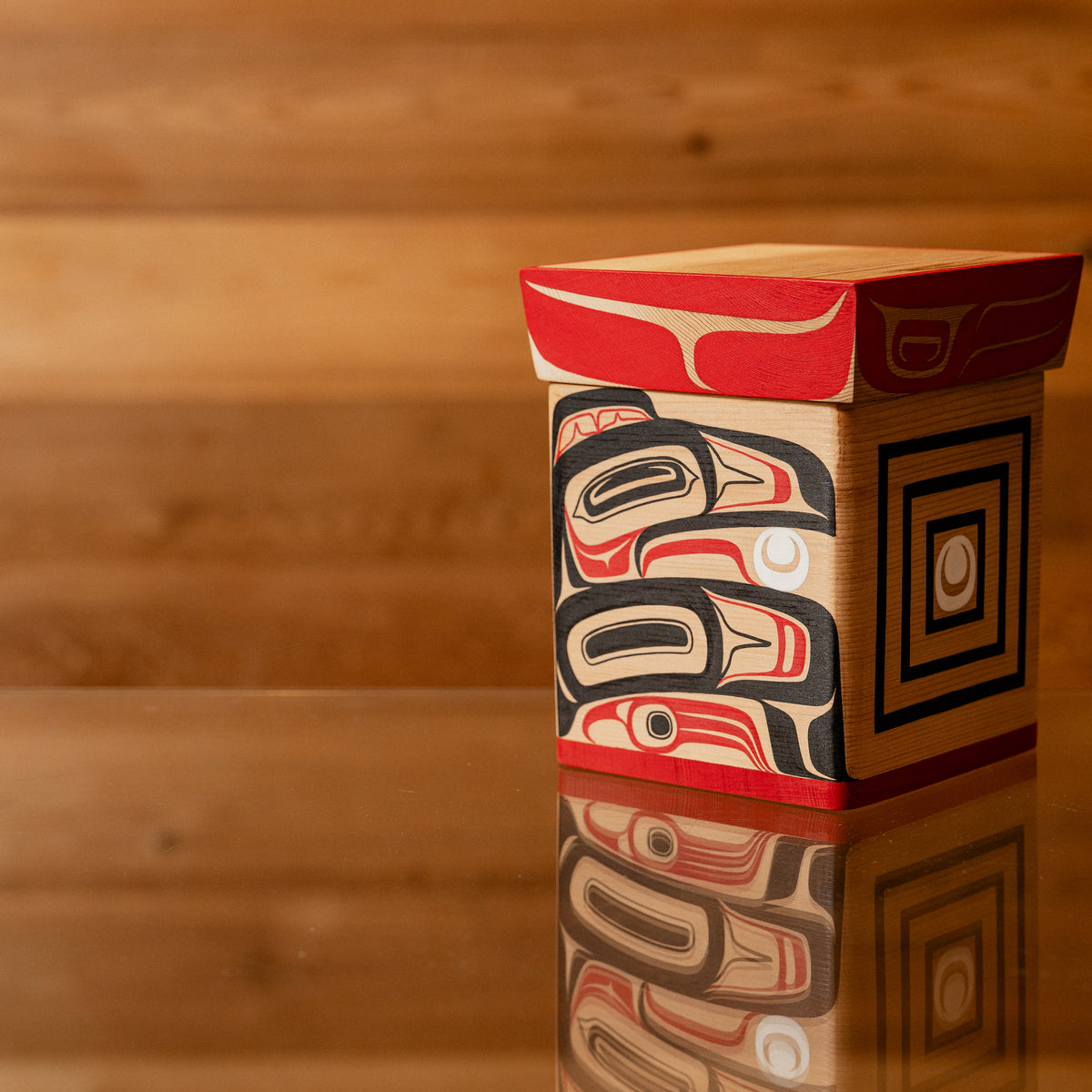
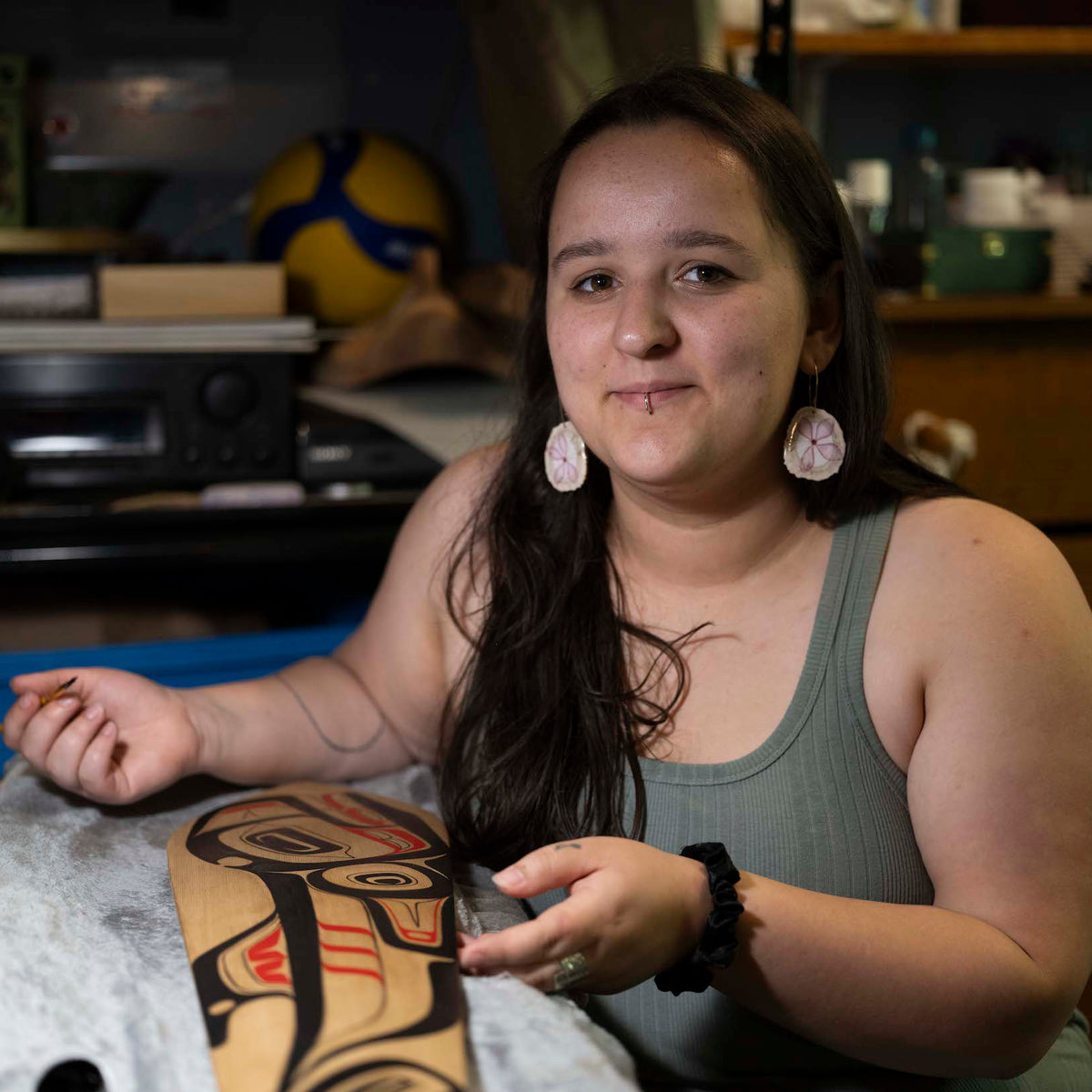
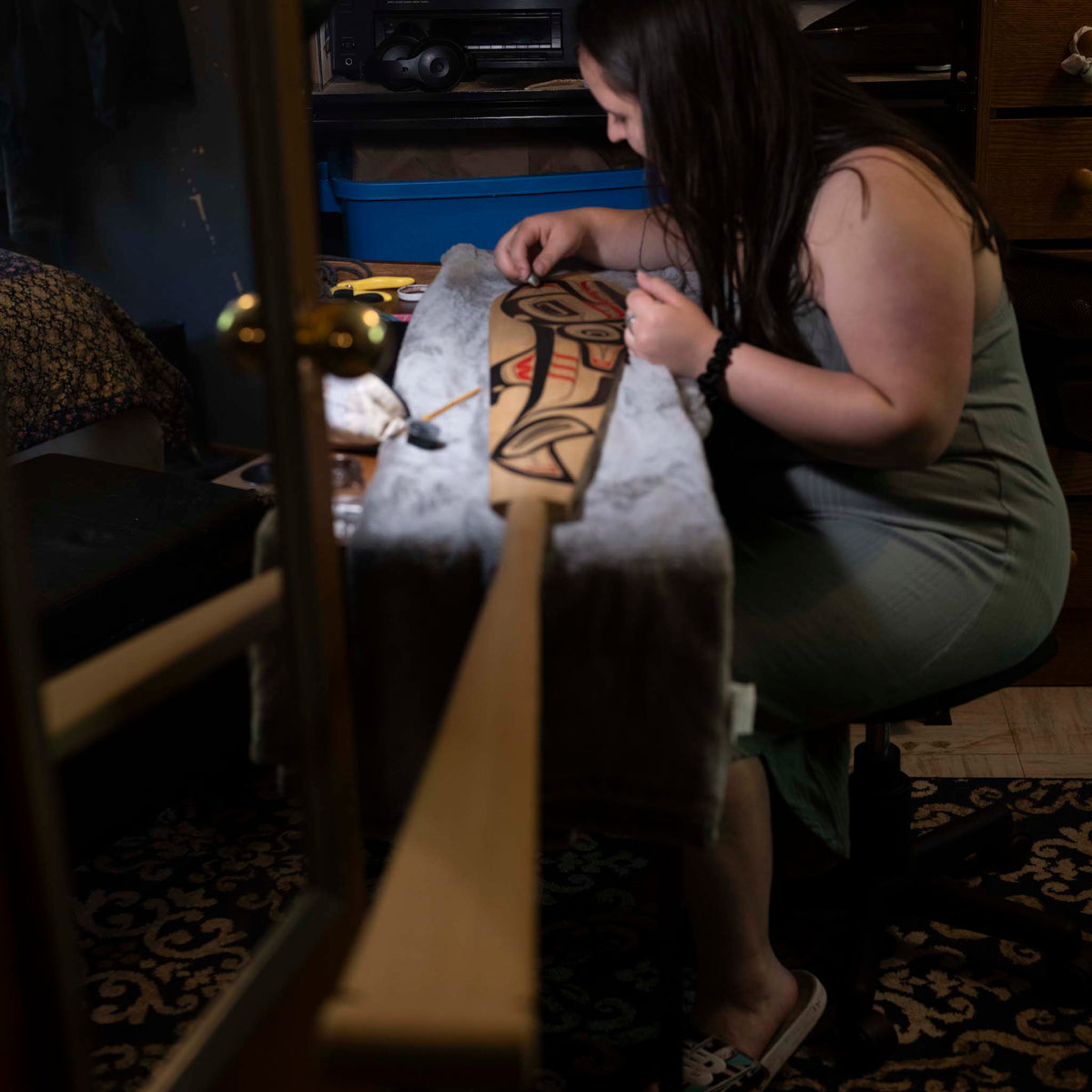
Wood carving is one of the most recognized forms of Haida art, grounded in generations of knowledge, patience, and skill. Red and yellow cedar are most commonly used, valued for their strength, workability, and cultural significance, while alder is often chosen by those beginning their carving practice, and yew wood is used for miniature carvings and pendants. Carvings may be left in their natural state, allowing the wood’s character to speak, or finished with paint to further define form and meaning. The highest level of carving is evidenced by hand-finishing, where the wood's finished surface gleams with small tool marks, reflecting a high level of craftsmanship in Northwest Coast carving. This refined tool finish is preferred over sanding, preserving the integrity and movement of the artist’s imprint on the wood. From masks and bentwood boxes to paddles, panels, sculptures and totem poles, each piece carries both function and story. Well-known contemporary Haida wood carvers include Robert Davidson, Reg Davidson, Corey Bulpitt, and Cori Savard.
Cultural Misappropriation vs. Appreciation: Is Wearing Haida Jewelry or Displaying Haida Art Cultural Appropriation?
In a past visit to Crystal Cabin Gallery, renowned Haida artist Robert Davidson shared valuable information about the different types of Haida art created today. These are not his direct words, but a summary of what we understood from his sharing:
Haida art for ceremonial purposes: Sacred items for ceremonial purposes are generally not to be sold. An artist may make ceremonial pieces, but will not sell them to the general public. Instead, these items are kept within the culture and used in ceremony, for example, a mask or pole made with the purpose to be used in ceremony, such as a feast, headstone moving or potlatch.
Haida art for representation of one’s clan: When you’re Haida, you are born or adopted into a clan system based on your mother’s lineage. Each clan has crests that can be used in jewelry, regalia (traditional wear), tattoo, etc. These crests are bestowed upon the individual and identify their lineage and relations to members of other clans.
Haida art as an item of trade: Artists from the Haida Nation have always created artwork for trade, beginning with trading between neighbouring nations on the mainland, such as the Tsimshian, Tlingit, Nisga'a and other nations along the coast. First contact with Europeans drove further global demand for art produced by Haida artists. Today's continued interest in Haida art and culture has helped to bring international recognition and support for a wide range of works by Haida artists.
The Future of Haida Art
Today, many Haida artists are using their work to tell stories grounded in the present moment. These narratives are deeply rooted in Haida cultural values—respect for all beings, asking permission, making things right, and recognizing that everything is interconnected. At the same time, they engage with current social, political, and global conversations. As a result, these works serve as powerful teachers, offering meaningful messages for those seeking a deeper understanding of the world around us and the interconnectedness of all beings.
Contemporary Northwest Coast and Haida artists continue to both challenge and introduce us to experiencing the art form in new ways. This evolution is led by artists like Robert Davidson, widely deemed one of Canada’s greatest. His work occupies the space of abstraction and modernism, offering a new lens through which to view the world. “Creating new spaces” is a driving force behind Davidson’s artwork. Other artists, such as Michael Nicoll Yahgulanaas, blend Chinese painting techniques to create the unique style of ‘Haida Manga,’ while mid-career artist Cori Savard (mentored by Reg Davidson) takes on contemporary forms, colors, illuminating stories in her own way.
We look forward to seeing how this space emerges and look forward to continuing to share these meaningful works of art with you.
References:
Echoes of the Supernatural: The Graphic Art of Robert Davidson, 2022, Gary Wyatt, Karen Duffek, and Robert Davidson.
7IDANsuu James Hart: A Monumental Practice, 2025, 7IDANsuu James Hart and Curtis Collins. Figure 1 Publishing.
Kihl ‘Yahda Christian White: Master Haida Artist, 2025.